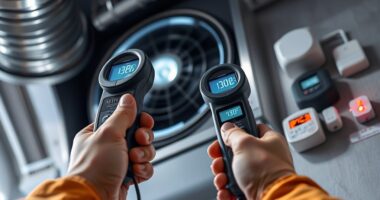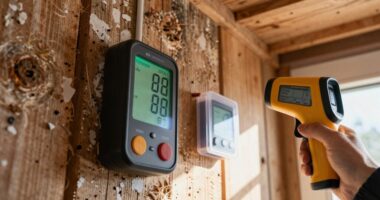

Monitoring CO2 levels helps you instantly spot poor ventilation by showing when air is becoming stale. As CO2 rises, it signals that fresh air isn’t entering enough, making the air stuffy and uncomfortable. Using sensors or monitors, you can see these changes in real time and act quickly—like opening windows or adjusting ventilation. Keep track of CO2, and you’ll stay ahead of air quality problems; there’s more to uncover if you keep exploring.

Get garden gear delivered free with Prime
- Fast, free delivery on millions of items
- Prime Video, Amazon Music and more included
- Member-only deals all year
Key Takeaways
- Elevated CO2 levels indicate stale air buildup and inadequate ventilation.
- Real-time monitoring reveals sudden increases, signaling poor airflow.
- Consistently high CO2 suggests ventilation systems need adjustment or repair.
- Immediate CO2 readings help identify problem areas in indoor spaces.
- Monitoring allows prompt actions like opening windows to improve air quality.
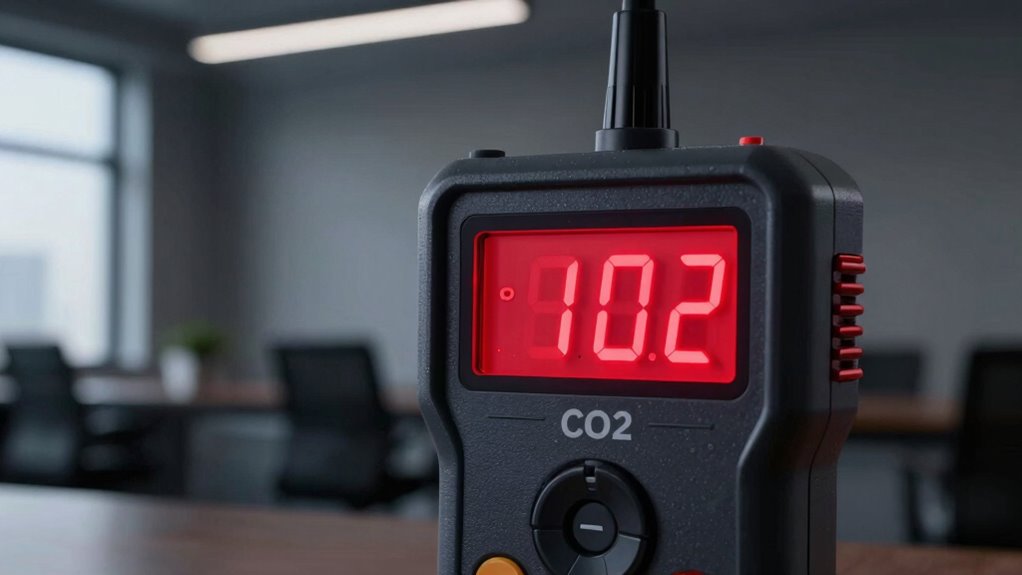
Poor ventilation can often go unnoticed until it causes discomfort or health issues, but measuring CO2 levels offers a simple way to identify problems quickly. When you monitor CO2, you’re effectively keeping an eye on the air quality inside your space. Elevated CO2 levels usually mean that the ventilation efficiency isn’t doing its job, and stale air is building up. This buildup can lead to stuffiness, headaches, fatigue, and even more serious health problems over time. By paying attention to CO2, you get real-time insight into how well your ventilation system is working, making it easier to address issues before they escalate.
Monitoring CO2 levels quickly reveals ventilation issues and improves indoor air quality.
Your indoor air quality directly impacts your comfort and health. When CO2 levels rise, it indicates that the air isn’t circulating properly, and contaminants are lingering. This is especially true in crowded or enclosed spaces where people exhale CO2 faster than fresh air replaces it. When you see these levels spike, it’s a clear sign that you need to improve your ventilation efficiency. Whether you’re in an office, classroom, or home, understanding how CO2 correlates with indoor air quality helps you make smarter decisions about when to open windows, turn on fans, or upgrade your ventilation systems. Regular monitoring can also reveal how ventilation effectiveness varies throughout different times of the day or seasons.
Measuring CO2 is straightforward and provides immediate feedback. With portable sensors or fixed monitors, you can track the levels continuously. When the device shows a low CO2 reading, you can be confident that the air quality is good and ventilation is adequate. But when the levels start to climb, it’s a cue that fresh air isn’t entering fast enough. This real-time data allows you to act quickly—whether that’s increasing airflow, checking for blockages, or adjusting your HVAC system. Over time, these adjustments help optimize ventilation efficiency, ensuring your indoor environment remains healthy and comfortable. Additionally, understanding the importance of indoor air quality can motivate you to invest in better ventilation solutions. Moreover, CO2 monitoring is a cost-effective way to maintain a healthy indoor environment without extensive renovations.
Understanding CO2 levels also empowers you to prevent long-term issues related to poor air quality. Poor ventilation can cause dust, mold, and other pollutants to accumulate, which can worsen respiratory problems and allergy symptoms. Regular CO2 checks can help you identify air quality deterioration early before it becomes a severe health concern. By regularly monitoring CO2, you’re taking a proactive approach—spotting potential problems early and maintaining good indoor air quality. This simple practice makes it easier to create healthier spaces, especially in environments where people spend a lot of time. In the end, paying attention to CO2 levels isn’t just about detecting bad ventilation; it’s about actively managing your indoor environment and ensuring that air quality stays high, no matter what.
CO2 monitor for indoor air quality
As an affiliate, we earn on qualifying purchases.
As an affiliate, we earn on qualifying purchases.
Frequently Asked Questions
What CO2 Levels Indicate Poor Ventilation?
You’ll notice poor ventilation when CO2 levels rise above 800 parts per million (ppm), indicating compromised air quality. As CO2 accumulates, it signals that ventilation efficiency isn’t keeping up with occupancy. In such cases, increasing airflow helps improve air quality, reducing CO2 and ensuring healthier indoor environments. Monitoring CO2 levels actively allows you to identify and address ventilation issues before they impact comfort or health.
How Quickly Can CO2 Sensors Detect Changes?
CO2 sensors detect changes in air quality within seconds to a few minutes, depending on their quality and calibration. When you guarantee proper sensor calibration, they respond swiftly to shifts in CO2 levels, alerting you to poor ventilation almost instantly. This quick detection helps you maintain healthy indoor air quality, allowing you to address ventilation issues promptly and prevent the buildup of harmful CO2 concentrations.
Are There Safe CO2 Thresholds for Indoor Air Quality?
Yes, there are safe CO2 thresholds for indoor air quality. The generally accepted standard is keeping CO2 levels below 800-1000 ppm, according to ventilation standards. When levels rise above this range, it indicates poor ventilation and declining air quality. Monitoring CO2 helps you guarantee proper airflow, reduce indoor pollutants, and maintain a healthy environment. Staying within these thresholds supports better comfort, health, and overall air quality in your space.
Can CO2 Monitoring Replace Traditional Ventilation Assessments?
CO2 monitoring can’t fully replace traditional ventilation assessments, but it considerably enhances your ability to evaluate ventilation efficiency and air circulation in real time. By tracking CO2 levels, you can quickly identify areas with poor air exchange, prompting immediate action. However, thorough evaluations still require more detailed assessments, like airflow measurements and building inspections, to guarantee ideal indoor air quality and effective ventilation systems.
How Often Should CO2 Levels Be Checked Indoors?
Check CO2 levels consistently, ideally every few hours, to keep an eye on air quality. You should position sensors properly—preferably at breathing height and away from windows or doors—to guarantee accurate readings. Frequent checks help catch poor ventilation early, maintaining healthy indoor air. Remember, regular monitoring with well-placed sensors empowers you to optimize airflow, prevent stale air, and promote a safe, healthy environment indoors.
Conclusion
By keeping an eye on CO2 levels, you can quickly spot poor ventilation before it becomes a bigger problem. It’s a simple, effective way to breathe easier and guarantee a healthier space. Don’t wait until it’s too late—trust your instincts and act fast. Remember, sometimes you’ve got to read between the lines to protect yourself and those around you. Stay vigilant, stay safe, and let CO2 be your guiding light.
Halloween Picks
halloween
As an affiliate, we earn on qualifying purchases.