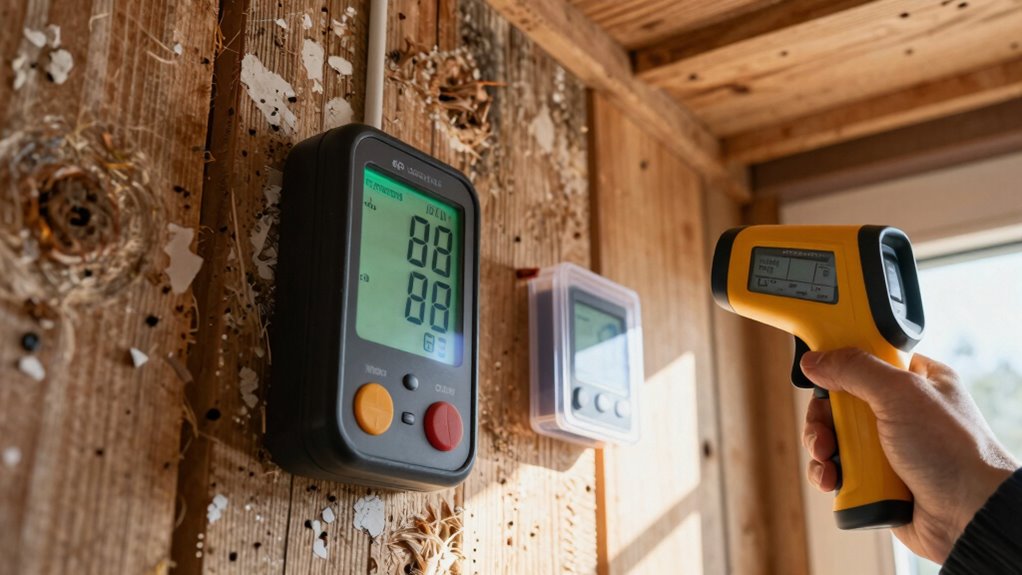

To prevent mold effectively, you need to track moisture accurately, not rely on guesswork. Mold thrives in high-humidity environments, so using reliable hygrometers helps you monitor indoor conditions and catch problems early. Fix leaks, improve ventilation, and keep humidity between 30-50%. By staying proactive and aware of moisture levels, you reduce mold risks and protect your health. Keep going to discover simple tips that make moisture management easier and more effective.

Get garden gear delivered free with Prime
- Fast, free delivery on millions of items
- Prime Video, Amazon Music and more included
- Member-only deals all year
Key Takeaways
- Accurate moisture tracking with hygrometers enables targeted mold prevention efforts.
- Regular inspections help identify hidden moisture sources before mold develops.
- Maintaining indoor humidity between 30-50% reduces mold growth risk.
- Promptly fixing leaks and improving ventilation prevents excess moisture buildup.
- Data-driven moisture management is more effective than guesswork in maintaining healthy indoor environments.
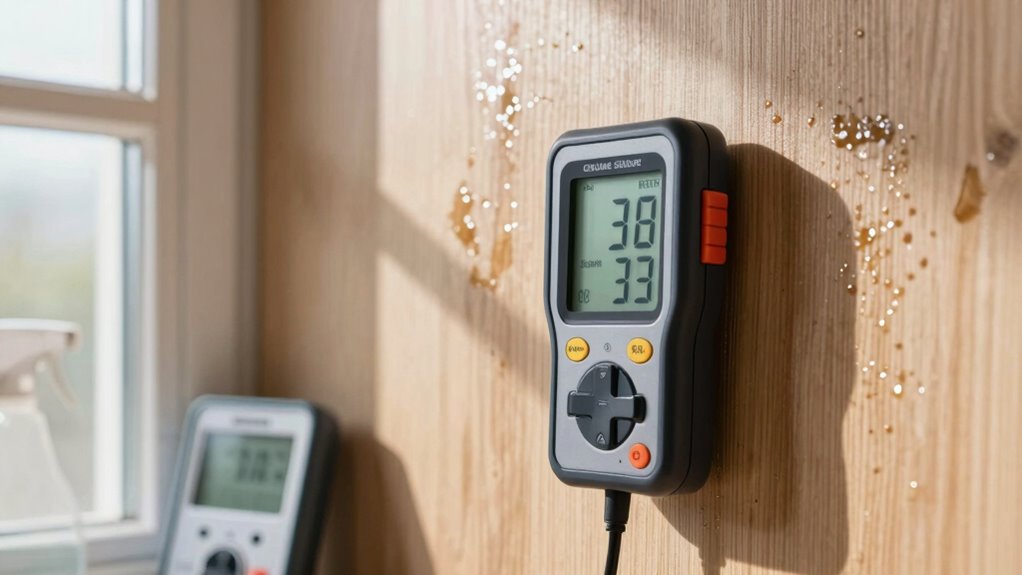
Mold can quickly become a problem if moisture isn’t properly managed in your home. When you overlook the importance of controlling humidity levels, you create an environment where mold spores thrive. To prevent this, you need to focus on moisture tracking rather than guessing. Keeping an eye on humidity levels is essential because high humidity not only encourages mold growth but also deteriorates your indoor air quality. Mold spores are everywhere, but they only become a concern when moisture is abundant enough to support their growth. That’s why understanding the humidity in your home is the first step toward effective mold prevention.
Controlling humidity isn’t just about feeling comfortable; it directly impacts your indoor air quality. When the air is too moist, mold can grow on walls, ceilings, or hidden within insulation and behind furniture. This mold releases spores into the air, which you then breathe in, potentially causing health issues. By maintaining optimal humidity—generally between 30-50%—you create a less hospitable environment for mold. Using a reliable hygrometer helps you monitor these levels accurately, so you’re not left guessing whether your home’s air quality is at risk. Regularly inspecting areas prone to moisture, like bathrooms, basements, and kitchens, is also crucial. Look for signs of excess moisture, such as condensation on windows or walls, and address issues immediately. Fix leaks, improve ventilation, and ensure that exhaust fans work properly to keep moisture out of these vulnerable spots. Incorporating proper ventilation solutions can further help in maintaining balanced moisture levels.
Taking moisture tracking seriously means you’re actively managing your indoor environment. Instead of waiting for mold to appear, you’re implementing preventative measures based on accurate data. This approach significantly enhances your indoor air quality and reduces the health risks associated with mold exposure. Remember, mold prevention is not a one-time effort but an ongoing process. By consistently monitoring humidity and controlling moisture, you create a healthier, safer home environment. Utilizing humidity monitoring devices is an effective way to stay informed and respond promptly to changes. Additionally, understanding how moisture levels influence mold growth can help you develop more targeted prevention strategies. Being aware of humidity fluctuations and their impact on indoor environments emphasizes the importance of proactive moisture management. Don’t leave your indoor air quality to chance—stay vigilant, stay informed, and keep moisture levels in check.
digital hygrometer for indoor humidity
As an affiliate, we earn on qualifying purchases.
As an affiliate, we earn on qualifying purchases.
Frequently Asked Questions
How Often Should I Check for Hidden Moisture in My Home?
You should check for hidden moisture at least once a month, especially in areas prone to humidity buildup like bathrooms, basements, and kitchens. Use a humidity meter to monitor levels, aiming for 30-50%. Improve ventilation and use dehumidifiers if needed. Regular checks help you catch issues early, preventing mold growth. Keeping humidity control in check and enhancing ventilation guarantees your home stays dry and mold-free.
What Tools Are Best for Detecting Moisture Levels?
You should use moisture meters and humidity sensors for accurate detection of moisture levels. Moisture meters probe surfaces to reveal hidden dampness, while humidity sensors monitor ambient moisture in the air. These tools work together like a detective duo, providing precise insights that help you identify potential problem areas before mold takes hold. Investing in quality tools guarantees you catch leaks early, keeping your home safe and mold-free.
Can Mold Grow Without Visible Water Damage?
Yes, mold growth can occur without visible water damage. Mold thrives on water vapor and hidden moisture, which often go unnoticed. Even if you don’t see leaks or stains, high humidity levels can create the perfect environment for mold to develop. To prevent this, track indoor moisture levels regularly and guarantee proper ventilation. Addressing excess humidity early helps stop mold from growing before it becomes a visible problem.
Are There Specific Signs Indicating Hidden Moisture Issues?
Yes, there are signs indicating hidden moisture issues. You should look for hidden leaks behind walls or under flooring, which may cause unexplained musty odors or paint bubbling. High air humidity levels, especially indoors, can also signal excess moisture that fosters mold growth. Keep an eye on these signs, and use moisture meters if needed, to catch hidden leaks early and prevent mold from developing unnoticed.
How Do Climate Differences Affect Moisture Tracking Strategies?
Climate differences markedly impact your moisture tracking strategies. In humid areas, you need to focus on climate adaptation by monitoring high moisture levels regularly and using dehumidifiers to aid moisture mitigation. Conversely, dry climates require vigilance against condensation and unexpected humidity spikes. Adjust your approach based on local weather patterns, ensuring consistent moisture monitoring to prevent mold growth effectively. Staying alert to climate-specific challenges is key to successful mold prevention.
Conclusion
By actively tracking moisture rather than guessing, you take control of mold prevention. This proactive approach aligns with scientific findings that moisture levels directly influence mold growth, debunking myths that simply keeping spaces dry is enough. Embrace moisture monitoring tools, stay vigilant, and you’ll considerably reduce mold risks. Remember, understanding the science behind mold development empowers you to create a healthier, mold-free environment—because prevention is about informed action, not just guesswork.
Halloween Picks
halloween
As an affiliate, we earn on qualifying purchases.