TL;DR

Get garden gear delivered free — and shop member deals
- Fast, free delivery on millions of items
- Access to Prime Big Deal Days deals on October 6–7
- Prime Video, Amazon Music and more included
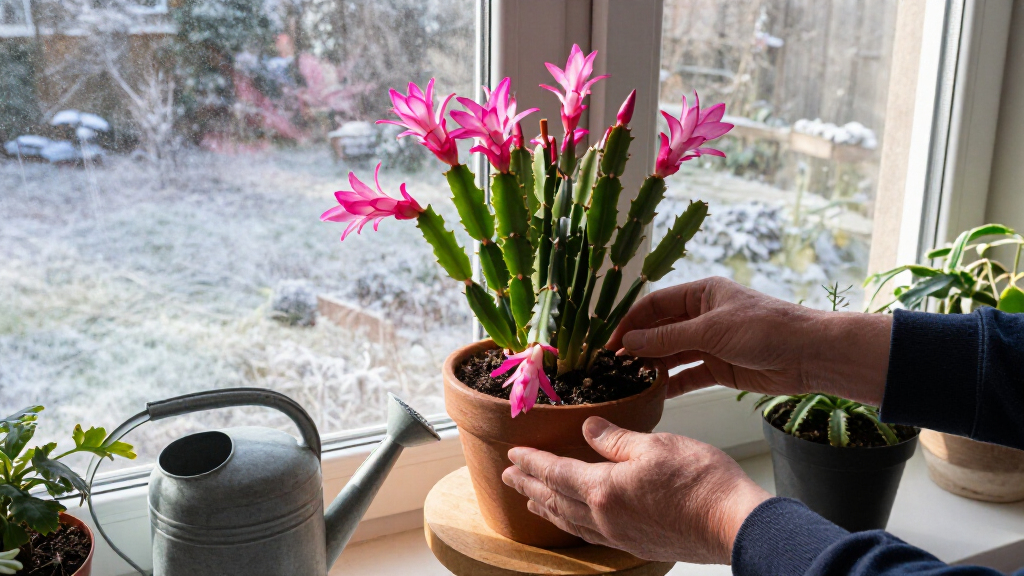
A Gardening Know How report says Christmas cactus leaf drop in October can signal stress from changes in temperature, humidity, watering or location. It recommends identifying the cause and correcting care conditions promptly; whether the plant can still bloom depends on its condition and recovery.
Gardening Know How has published guidance for people whose Christmas cactus is dropping leaf segments in October, pointing to environmental stress and watering problems as common causes. The report says prompt care changes may help the plant recover and preserve the chance of winter flowers, but it does not guarantee blooms or recovery.
The report recommends checking the number and condition of fallen segments. It describes the loss of three or fewer pads in a week as potentially consistent with mild shock after a change in the plant’s surroundings. Losing four or more in a week, or losing multi-segment branches, may indicate more serious stress, according to the article. These figures are the source’s triage guidance, not a clinical test or a guarantee of what will happen to an individual plant.
The appearance and feel of dropped pads may offer clues. Crispy, brittle segments can point to dehydration or heat stress, while limp green pads may be associated with dry indoor air. Limp, wrinkled segments may indicate underwatering; soft, mushy pads and yellowish or translucent coloring may be signs of overwatering. The report also identifies a move indoors, a changed watering routine, heating, drafts and seasonal rainfall as possible stressors.
For heat or drought stress, Gardening Know How advises placing the cactus in bright, indirect light, away from heaters and cold drafts, at a relatively steady temperature of about 60–70°F. It recommends watering when the top two inches of soil are dry and using a pot with drainage. A pebble tray can raise nearby humidity, but the pot should sit on the pebbles rather than in water. For overwatering, the article advises inspecting the roots and removing black, damaged roots before repotting in a container with drainage; its instructions caution that a plant’s condition affects its prospects.
Care Changes May Protect Holiday Buds
The timing matters because October care can affect a plant’s condition as it approaches the winter flowering period. A cactus losing segments may also be at risk of losing flower buds if stress continues, the report says. Finding and addressing the cause gives owners a practical next step before assuming the plant is beyond help.
The advice also distinguishes between problems that can look similar. Adding water to a plant already suffering from overwatering could worsen root damage, while leaving a dehydrated plant near a heater may prolong stress. The report’s central point is to diagnose before treating: check the pads, the soil and the plant’s recent conditions rather than responding to leaf loss with a single remedy.
These are general care recommendations, not a diagnosis for every plant. The source says recovery is possible in some cases, but the extent of root damage, the plant’s overall health and how quickly conditions change will affect the outcome. It offers no measured recovery rate or evidence that following the steps will reliably produce holiday flowers.
As an affiliate, we earn on qualifying purchases.
Seasonal Shifts Can Stress Schlumbergera
Christmas cactus, identified in the report as Schlumbergera x buckleyii, is described as sensitive to environmental changes. A plant brought inside after spending summer outdoors may encounter a different temperature, light level or watering schedule. Turning on central heating can also bring warmer air and lower indoor humidity, even if the plant is not directly beside a radiator.
The report links overwatering risk to the shortening days of autumn, when the plant may need less water, and to increased seasonal rainfall if it remains outside. Its recommendations therefore focus on the conditions around the plant—light, temperature, humidity, soil moisture and drainage—rather than on a fixed watering calendar. No independent horticultural source or expert interview is included in the supplied material.
“Christmas cactus do often drop a segment, or pad, when there’s a change of season.”
— Gardening Know How
Recovery and Blooming Are Not Guaranteed
The source does not report a specific plant, owner or documented incident; it is a general gardening advice article, not breaking news about a single cactus or a new scientific finding. It also does not provide research data for its weekly leaf-loss thresholds or quantify the likelihood of recovery or flowering after treatment.
Leaf symptoms can suggest different causes, but the source’s descriptions do not establish a definitive diagnosis. The article’s overwatering instructions continue beyond the supplied excerpt, so the full treatment details are not available here. It is also unclear how long a stressed plant may take to recover, whether it will flower that season, or how care needs vary by cultivar and home conditions.
Check Conditions Before Changing Care
Owners can start by noting how many segments have fallen, whether they are dry, limp or mushy, and what has changed recently in the plant’s location or routine. The report’s suggested next steps are to move the cactus away from heat and drafts, provide bright indirect light, check soil moisture before watering, and confirm that excess water can drain.
If pads are soft or the plant appears to be worsening, the report advises inspecting the roots and responding to signs of rot rather than adding water automatically. The immediate outcome to watch is whether further segment loss slows after the suspected cause is corrected. Whether buds form or open will only become clear as the holiday season approaches; the source gives no guaranteed timeline or result.
Key Questions
Why is my Christmas cactus dropping leaves?
Gardening Know How lists environmental changes, heat, dry air, underwatering and overwatering among possible causes. A recent move indoors or change in watering may also be relevant. The look and feel of fallen pads can offer clues, but do not confirm a cause on their own.
Should I water a Christmas cactus when its leaves drop?
Not automatically. The report recommends watering when the top two inches of soil are dry. Mushy pads may be associated with overwatering, while wrinkled, leathery pads may suggest the plant is too dry.
Can a Christmas cactus still bloom after dropping segments?
It may still flower if it recovers, according to the report, but blooms are not guaranteed. The source does not provide a recovery rate or a timeline for flowering after care changes.
Where should I place a stressed Christmas cactus?
The article recommends bright, indirect light and a relatively steady temperature of about 60–70°F, away from heater blasts and cold drafts. It also suggests a pebble tray for humidity, with the pot kept above—not in—the water.
Source: rss
Halloween Picks
halloween
As an affiliate, we earn on qualifying purchases.