
TL;DR

Get garden gear delivered free with Prime
- Fast, free delivery on millions of items
- Prime Video, Amazon Music and more included
- Member-only deals all year
A Grow Organic guide says the larvae commonly found in apples are usually codling moth caterpillars or apple maggots, which leave different signs and require different controls. It recommends inspecting and removing damaged fruit, using pest-specific barriers and monitoring, and checking local guidance before any treatment.
Grow Organic’s guide advises home gardeners to identify the insect behind damaged apples before choosing a control, because codling moth caterpillars and apple maggots leave different signs and require different approaches. It recommends checking fruit early, removing damaged apples and protecting healthy fruit before larvae enter it.
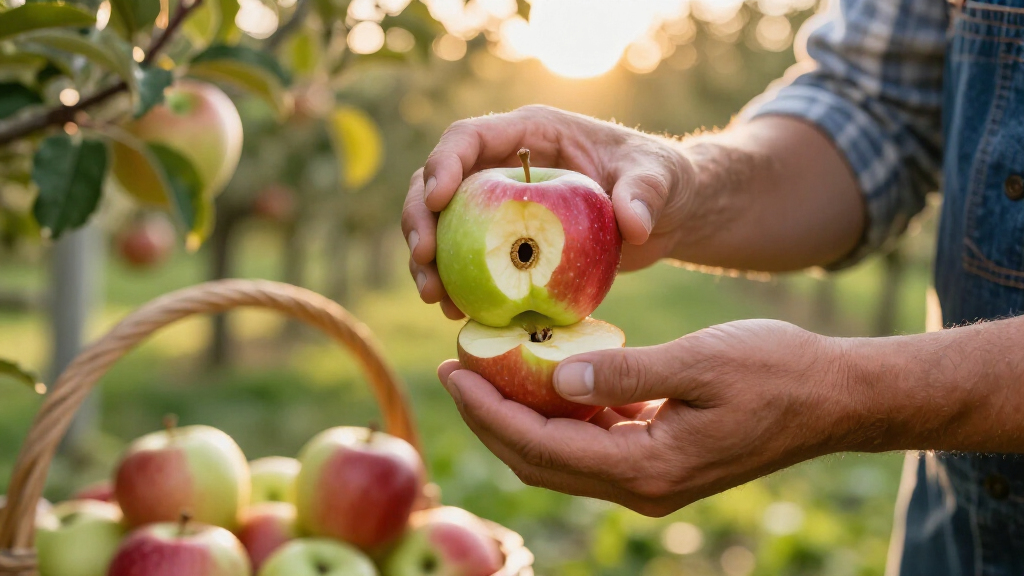
The guide describes a codling moth larva as a cream-to-pink caterpillar with a dark head, potentially up to three-quarters of an inch long. Its feeding tunnel may lead toward the core and seeds, with brown, crumbly insect waste, known as frass, near an entry hole. Apple maggots are described as small, pale, legless larvae that leave winding brown trails through the flesh and may be associated with dimples in the skin.
Those signs can help narrow down the cause, but a hole or spot alone does not confirm which pest is present. Grow Organic recommends examining several apples, including fruit from shaded clusters and the outer canopy, and cutting into suspect fruit. Gardeners can photograph the skin, the cut surface and any larva beside a ruler, while noting the date and apple variety. The guide recommends asking a local Extension specialist when identification is uncertain.
For prevention, the guide advises thinning young clusters to one apple, collecting fallen fruit and removing damaged apples from trees. It says not to leave infested fruit beneath a tree or in a cool backyard compost pile, where insects may survive. Bagging healthy, young apples can provide a barrier, but the material must suit the pest: the guide notes that nylon bags are ineffective against codling moth under UC Integrated Pest Management guidance. Covers should be fitted before fruit is entered, checked for damage and kept in place through harvest.
Why Correct Pest Identification Matters
Choosing a control before identifying the pest can leave the main source of fruit damage untouched. Codling moths and apple maggots have different life cycles and hiding places: the guide says codling moths overwinter in sheltered cocoons, often beneath loose bark, while apple maggots generally overwinter as pupae in soil. Those differences affect which barriers or monitoring methods may be useful.
The advice also matters for treatment timing. A spray applied after larvae have entered an apple may not reach them. Grow Organic says codling moth protection needs to target hatching larvae before they bore into fruit, and that local traps and temperature models are more useful than relying on a fixed calendar date. The result for a home grower depends on accurate identification, local conditions and following the product label.
As an affiliate, we earn on qualifying purchases.
How the Two Pests Damage Fruit
The guide explains that codling moths lay eggs on leaves or fruit; after hatching, the larvae bore into apples. Adult apple maggot flies lay eggs beneath the skin, and their larvae feed inside the fruit. The resulting tracks and entry marks can remain visible even if the insect has left, so gardeners may need to cut into damaged apples to inspect the feeding pattern.
Monitoring also differs by pest. The source says pheromone traps attract male codling moths and can help time treatment, but do not reliably protect a backyard crop on their own. Red sticky spheres are used to monitor apple maggot flies. A trunk barrier may target crawling insects, but it will not stop moths or flies from reaching fruit. The guide cautions against treating one trap or barrier as a complete solution.
Timing varies with region and weather. The source gives Minnesota’s late-June-to-early-July apple maggot activity as a local example, not a national schedule. It says warmer regions may support more codling moth generations during a growing season than cooler areas, and advises gardeners to consult local Extension alerts.
“An entry mark can hide a tunnel, so examine several fruits before choosing treatment.”
— Grow Organic guide
What a Damaged Apple Can Confirm
The guide does not say that every hole, trail or damaged apple is caused by codling moth or apple maggot. Birds and other insects can also damage fruit, and a spot by itself does not establish the cause. It advises comparing several apples and consulting local Extension staff if the signs are unclear.
No single treatment schedule applies everywhere. The source does not provide a location-specific recommendation for an individual orchard, and its Minnesota timing example should not be applied nationally. Weather, temperature, local pest history and the number of pest generations can affect monitoring and treatment decisions. Any pesticide choice must match the crop and pest and be used according to its label.
Monitor Fruit Through the Season
Gardeners should inspect apples regularly as they grow, remove fallen or damaged fruit and check traps appropriate to the pest they suspect. Where signs point to codling moth or apple maggot but remain uncertain, photographs and notes on the variety, date and damage can help a local Extension specialist assess the problem.
Before using any spray or other product, check local Extension guidance and confirm that the product is labeled for apples and the identified pest. Follow its label directions, including instructions for protective equipment, application timing and reapplication after rain or new growth. The guide does not provide one universal spray date; local monitoring remains the next step.
Key Questions
How can I tell whether an apple has codling moth or apple maggot damage?
Codling moth damage may include a tunnel toward the core and brown frass near an entry hole. Apple maggot damage may show winding brown trails through the flesh and small dimples in the skin. These signs are clues, not a definitive identification by themselves.
Should I remove apples with holes or tunnels?
Yes. Grow Organic recommends removing damaged apples from the tree and collecting fallen fruit rather than leaving it beneath the tree or in a cool backyard compost pile. This helps limit places where insects may survive.
Can bags keep worms out of apples?
Bagging young, undamaged apples can act as a barrier if done before larvae enter the fruit. The bag type matters: the guide, citing UC Integrated Pest Management guidance, says nylon bags do not work against codling moth. Check that covers are suited to the pest, intact and not pinching stems.
When should I spray apple trees for worms?
There is no single date for all locations. The guide says codling moth treatment needs to reach vulnerable hatching larvae before they enter fruit, and recommends using local trap results, temperature models and Extension alerts to guide timing. Use only a product labeled for apples and the identified pest, following label directions.
Source: rss
Fall Picks
fall essentials
As an affiliate, we earn on qualifying purchases.