
TL;DR

Get garden gear delivered free with Prime
- Fast, free delivery on millions of items
- Prime Video, Amazon Music and more included
- Member-only deals all year
An Amateur Gardening report outlines seven plants that can lend a dark, unusual look to a Halloween garden, from black grasses and deep-purple heucheras to the blue pods of dead man’s fingers. Horticultural therapist Kendall Platt says many plants can still be planted in autumn if the ground is not frozen; growing conditions vary, and doll’s-eye berries are toxic if eaten.
Amateur Gardening has outlined seven plants that can give a home garden a dark, dramatic look for Halloween, including deep-colored heucheras, black grass, smoke bush and the berry-bearing Actaea pachypoda, commonly called doll’s eyes. The report, drawing on advice from horticultural therapist Kendall Platt, says autumn planting can still be possible when soil is workable, while warning that doll’s-eye berries are toxic if eaten.
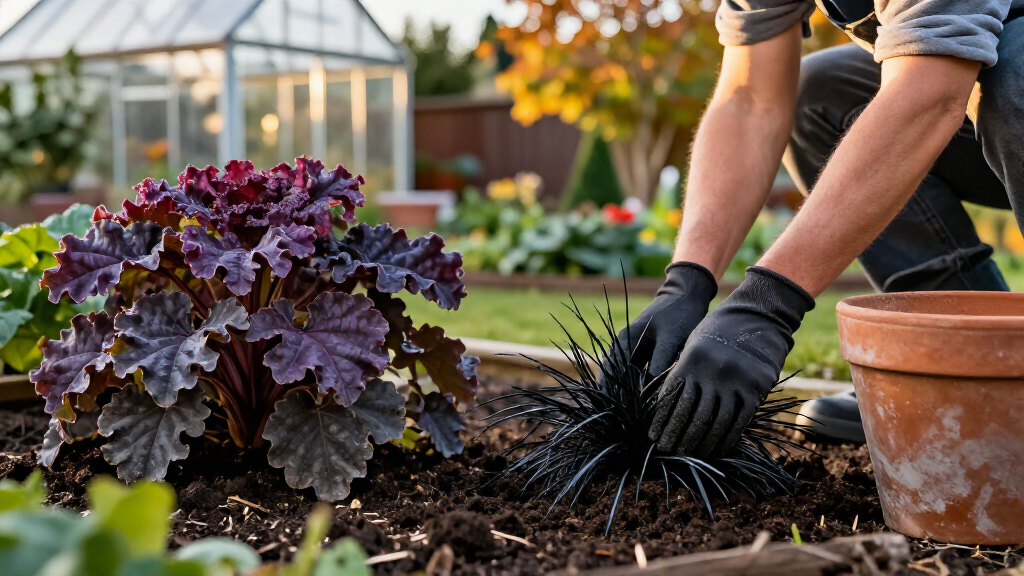
The suggested plants offer different effects rather than a single planting formula. Dark-leaved heucheras, including ‘Wild Rose’ and ‘Midnight Rose’, bring patterned foliage to borders and are suited to shade or partial shade. The report says heucheras can be planted year-round and are low-maintenance; established plants can be divided the following autumn. Black grass, Ophiopogon planiscapus ‘Nigrescens’, provides fine, dark foliage and can grow in sun or partial shade, but may spread through borders if seed pods are not managed. It prefers moist, well-drained soil and may struggle if it dries out.
Other suggestions include elderberry ‘Black Lace’, grown for dark foliage, and smoke bush (Cotinus), whose purple leaves and autumn seed heads add texture. Platt recommends a sunny position, with at least six hours of sun, and well-drained soil for smoke bush; it does not do well in soggy conditions. The report also features Decaisnea fargesii, known as dead man’s fingers for its unusual seed pods, and witch hazel, whose orange, spidery flowers and changing foliage can suit an autumn display.
The seventh plant is doll’s eyes (Actaea pachypoda), a perennial with conspicuous pale berries. The report says it grows in moist soil and partial shade, and explicitly cautions that its berries are toxic if eaten. It does not provide further safety guidance for households with children or pets, so gardeners should check reliable local plant-safety advice before choosing a location.
Choosing Plants for Autumn Displays
The guide is useful to gardeners planning a seasonal display because it pairs the visual effect of each plant with basic growing needs. Light and soil conditions matter: a dark heuchera may suit a shaded border, while smoke bush needs a sunnier, well-drained spot. Matching plants to their site can help gardeners avoid treating color alone as a planting guide.
The advice also points to a practical safety issue. Doll’s-eye berries are toxic if eaten, a relevant consideration for gardens visited by children or pets. The report does not detail exposure risks or what to do after ingestion, so its warning should not be treated as a substitute for professional safety guidance.
dark foliage plants for Halloween garden
As an affiliate, we earn on qualifying purchases.
As an affiliate, we earn on qualifying purchases.
Autumn Planting and Garden Styling
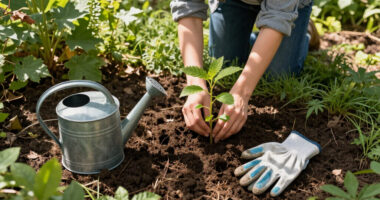
The report is a seasonal gardening feature rather than a notice of a new horticultural finding. It frames the plant choices around Halloween and autumn, when dark foliage, seed heads, unusual pods and late flowers can create a dramatic garden display. Its planting advice is conditional: the ground should not be frozen, and individual plants still need conditions suited to their growth.
Platt told Amateur Gardening that September and October can be good months to plant because temperatures may remain warm and rainfall increases. The article also suggests styling the display with creeping plants such as English ivy, home-grown pumpkins and gourds, and reused broken pots or ornaments. These are design suggestions from the report, not requirements for growing the featured plants.
“There are a variety of plants that can be planted this month. If you can buy them, you can plant them as long as the ground isn’t frozen.”
— Kendall Platt, horticultural therapist, speaking to Amateur Gardening
Plant Suitability and Safety Details
The source material does not give a publication date, specify a region or climate, or say whether the plants are available locally. Planting advice may need adjustment for local weather and growing conditions; the report’s general autumn guidance does not establish that every plant will thrive in every garden.
It also does not quantify how quickly black grass may spread or give detailed care instructions for every cultivar. While it warns that doll’s-eye berries are toxic if eaten, it does not describe the level of risk, provide guidance for children or pets, or explain how to respond to a suspected ingestion.
Check Conditions Before Planting
Gardeners considering the display can first check whether their ground is workable and compare each plant’s light and soil requirements with the intended site. The report’s advice is to avoid planting into frozen ground, keep moisture needs in mind and choose sunny, well-drained conditions for smoke bush. Local nurseries or horticultural services can advise on suitability for a particular region.
Before adding doll’s eyes, households should consult dependable plant-safety resources and decide whether the location can be kept away from children and pets. The source article sets out no further update or follow-up; its recommendations are seasonal planting and decoration ideas rather than a schedule of forthcoming developments.
Key Questions
Which plants does the Halloween garden guide recommend?
The seven suggestions are heuchera, black grass, elderberry ‘Black Lace’, smoke bush, Decaisnea fargesii, witch hazel and doll’s eyes (Actaea pachypoda).
Can these plants be planted in autumn?
Kendall Platt told Amateur Gardening that planting may be possible if the ground is not frozen. The report says September and October can offer warm temperatures and increased rainfall, but conditions and planting needs vary by plant and location.
Which plants need sun or shade?
The report says darker heucheras prefer shade or partial shade, while black grass tolerates sun or partial shade. Smoke bush needs a sunny position—Platt recommends at least six hours of sun—and well-drained soil.
Are any of the recommended plants toxic?
The report specifically warns that doll’s-eye berries are toxic if eaten. It does not provide detailed guidance for children or pets, so check a reliable plant-safety source before planting it in an accessible area.
Source: rss
Fall yard work Picks
leaf blowers
As an affiliate, we earn on qualifying purchases.