
TL;DR

Get garden gear delivered free with Prime
- Fast, free delivery on millions of items
- Prime Video, Amazon Music and more included
- Member-only deals all year
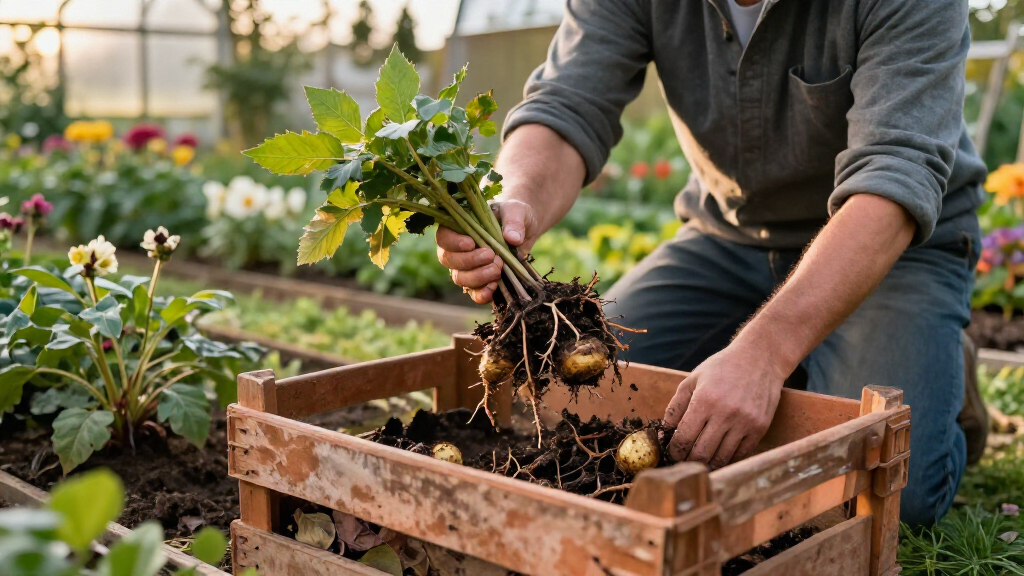
Gardening Know How’s report advises gardeners in hardiness zones 7 and colder to lift seven tender summer-flowering bulbs, corms, tubers or rhizomes before the soil freezes. The article says to begin after foliage is damaged by the first light frost, then cure and store the plant material in a cool, dry, frost-free place; local climate and variety affect the timing.
Gardening Know How has published seasonal guidance urging gardeners in hardiness zones 7 and colder to lift seven tender summer bloomers before the ground freezes. The report says freezing temperatures and wet winter soil can damage or rot these plants’ underground storage structures, while the right timing and indoor storage can help them survive until spring.
The seven plants identified are dahlias, gladiolus, cannas, calla lilies, begonias, caladiums and elephant ears. They do not all grow from true bulbs: dahlias form tubers, gladiolus grow from corms, and cannas and callas spread through rhizomes. The report groups them together because their tender underground structures can be vulnerable to cold, wet soil.
For most of the listed plants, Gardening Know How recommends lifting after a first light frost damages the foliage, but before the soil freezes. It gives mid-to-late October as a typical window in zones 3 to 5 and late October through early November for zones 6 and 7. These are regional guides, not fixed dates: frost and ground conditions vary locally.
After lifting, gardeners should remove loose soil and let the material dry or cure in a dry, ventilated, frost-free place. The report recommends breathable containers with dry packing material and storage at roughly 40 to 50°F, with some plant-specific variations. It also advises checking stored material monthly for rot or shriveling. The precise curing and storage instructions differ by plant, so one method should not automatically be applied to all seven.
Protecting Summer Blooms From Frost
Lifting tender plants before a hard freeze can protect the underground structures needed for next season’s growth. According to the report, cold can damage plant tissue, while winter rain and melting snow can leave soil wet enough to encourage rot. Losing a tuber, corm or rhizome may mean losing the plant and its blooms, as well as the time and expense involved in replacing it.
The advice is particularly relevant to gardeners in colder regions, but it is not a blanket instruction for every garden. The report says growers in warmer southern areas may be able to leave some plants in the ground under thick mulch. Whether that works depends on local winter conditions, hardiness zone and variety, so gardeners should check guidance for their specific plants and location.
Products Worth Considering

Philips Hue Festavia Globe Outdoor String Lights, 32 Bulbs, 91 ft

Samsung 85-Inch M70H Series Mini LED 4K Smart TV (2026)

Dyson V8 Cyclone Cordless Vacuum
As an affiliate, we earn on qualifying purchases.
Why These Plants Need Winter Storage
Many spring-flowering bulbs, including tulips, daffodils and crocuses, are hardy and use winter chill as part of their blooming cycle. The plants in this report are different: many summer bloomers come from tropical or subtropical climates and are less able to tolerate frozen ground. Their underground structures store energy and support regrowth, but cold and prolonged moisture can damage them.
The report describes lifting as a fall task tied to plant dormancy and weather, rather than a single date on the calendar. After foliage is blackened by a light frost, the plant has begun preparing for dormancy; waiting until the ground freezes can make digging more difficult and expose the roots to deeper cold. Gardeners should work carefully with a fork, loosening soil away from the crown to reduce the risk of cutting or breaking the storage structures.
Local Frost Dates Shape the Schedule
The report’s timing and storage ranges are general recommendations, not a guarantee that every variety will respond the same way. Exact frost dates and soil-freeze timing are not specified for individual gardens, and the source material provided does not include full plant-by-plant instructions for all seven species. It is also unclear from the material whether a particular cultivar can safely remain in the ground in a mild microclimate.
Gardeners should confirm the needs of the specific plant and follow local extension or horticultural advice where available. The guidance does not establish that all tender plants must be lifted in every location; warmer regions may have different options.
Lift, Cure and Check Stored Plants
Gardeners approaching their first frost should identify which of the seven plants they grow, then plan to lift them while the soil remains workable. After digging, they should follow plant-specific curing and storage directions, label containers, and keep them in a cool, dark location that will not freeze. Monthly checks can help identify rot or drying before spring.
The next practical milestone is the arrival of local frost and freezing conditions. The report provides seasonal guidance, but it does not announce a new official schedule or forecast; gardeners should use local weather and their own hardiness zone to decide when to act.
Key Questions
Which seven plants does the report say to lift?
It lists dahlias, gladiolus, cannas, calla lilies, begonias, caladiums and elephant ears as tender summer bloomers that may need winter lifting in colder areas.
When should I lift tender bulbs and tubers?
The report recommends lifting most after the first light frost damages the foliage, but before the ground freezes. The calendar window depends on your hardiness zone and local weather.
Do all seven plants grow from bulbs?
No. The report uses “bulbs” as an umbrella term. Dahlias grow from tubers, gladiolus from corms, and cannas and callas from rhizomes; other plants have different underground structures.
How should lifted plants be stored?
Let them dry or cure in a ventilated, frost-free place, then use breathable containers and suitable dry packing material. Storage temperatures differ by plant, so consult specific instructions for each variety and check stored material regularly for rot or shriveling.
Source: rss