TL;DR

Get garden gear delivered free with Prime
- Fast, free delivery on millions of items
- Prime Video, Amazon Music and more included
- Member-only deals all year
Homes & Gardens recommends five October steps to prepare lavender for winter: avoid heavy pruning, improve drainage, reduce watering, protect vulnerable pots from freezing and skip fertilizer. The advice is general; a plant’s needs depend on its variety, local climate and growing conditions.
Homes & Gardens has published five October care steps for gardeners preparing lavender for winter: avoid heavy pruning, check drainage, reduce watering, protect container plants from freezing and skip fertilizer. The advice is aimed at limiting cold- and moisture-related stress, while helping plants resume growth and flower in spring.
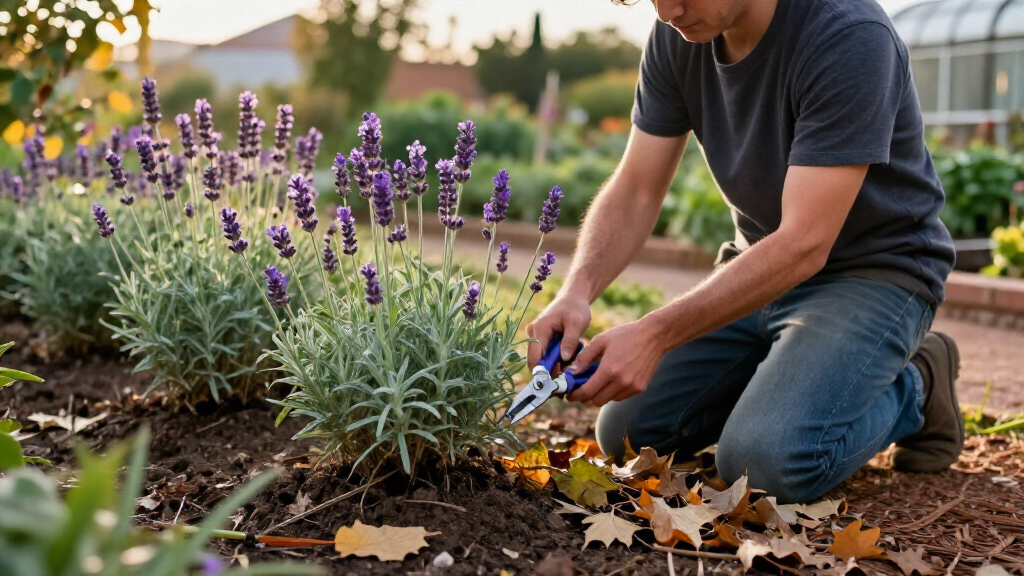
The report says gardeners that already trimmed plants after flowering in late summer generally do not need to make another major cut in October. Removing remaining spent flower stems is presented as light maintenance, but cutting into old, woody stems can damage lavender, which may struggle to regrow from them. The article advises waiting until spring to assess leggy or overgrown plants and says gardeners in colder regions should avoid fall pruning.
Drainage and watering are central to the advice. Lavender does best in sunny conditions and well-drained soil, the report says; roots left in wet ground through winter can be vulnerable to rot. Plants established in the ground are drought-tolerant and usually need little extra water in fall unless conditions are unusually dry. For potted plants, check the potting mix before watering, since containers can dry out more quickly.
The remaining recommendations address fertilizer and cold protection. The report says established lavender generally needs little fertilizer and advises against feeding in October, when encouraging new growth is not the goal. For pots, it recommends planning a sheltered, sunny location and checking the plant label for cold-hardiness guidance. An insulating wrap around a pot may help protect roots, but materials that hold moisture against the plant’s crown can encourage rot.
Preparing Lavender for Winter
These steps address two common winter risks for lavender: cold exposure and excess moisture. Container-grown plants may be more exposed to freezing because their roots have less insulation than plants in the ground. Meanwhile, wet soil can leave roots vulnerable to rot. Paying attention to the plant’s drainage and location before colder weather sets in can help reduce those risks.
The advice also cautions against late-season interventions that may work against the plant’s seasonal slowdown. Heavy pruning or fertilizer can encourage tender new growth, which may be vulnerable before winter. The report presents October care as preparation, not a guarantee of survival or flowering: outcomes still depend on the lavender variety, local temperatures and growing conditions.
Products Worth Considering

LG C2 Series 65-Inch OLED evo 4K Smart TV (OLED65C2PUA, 2022)

Ring Battery Doorbell Plus (2nd Gen) and Indoor Cam Plus Bundle, Nickel Silver and White

Roborock Robot Vacuum and Mop with LiDAR Navigation and 10,000 Pa Suction
As an affiliate, we earn on qualifying purchases.
Variety and Growing Conditions
Lavender is grown in garden beds and containers, but its ability to withstand winter varies by type. The Homes & Gardens report identifies English lavender (Lavandula angustifolia) as often able to remain outdoors if the variety suits the climate and the soil drains well. It describes French and Spanish lavender as generally less cold-hardy and potentially in need of a frost-free greenhouse or another protected spot.
For gardeners with heavy clay soil or areas that stay waterlogged after rain, the article suggests considering a raised bed or container. It also recommends checking a product label when choosing a soil mix or other growing product. The source gives no specific regional temperature thresholds, so gardeners should use their plant’s label and local conditions rather than treating the recommendations as identical for every garden.
““Lavender thrives when its roots can breathe, so good drainage is especially important as temperatures drop and fall rain arrives.””
— Rachel Bull, Head of Gardens at Homes & Gardens
Local Frost Risks Vary
The supplied report does not give the article’s publication date, region-specific hardiness zones or temperature limits for individual lavender varieties. It also does not specify a universal watering schedule. How much protection a plant needs will depend on its variety, local winter conditions, drainage and whether it is growing in a pot or in the ground. The advice describes general practices rather than guaranteeing that a plant will survive winter or bloom the following year.
Check Plants Before Frost
Gardeners can use October to inspect soil drainage, remove only any remaining spent flower stems and decide where container plants will be kept during cold weather. Before moving or wrapping a pot, check the lavender’s label for its hardiness needs and choose a sheltered location that still receives sunlight. Continue checking container soil before watering as temperatures fall, and avoid adding fertilizer or making a heavy cut late in the season.
As winter passes, gardeners can assess plants for damage and decide whether pruning is needed once spring growth becomes clearer. The report does not provide a fixed date for that work; local frost conditions and the plant’s condition should guide the timing.
Key Questions
Should lavender be pruned in October?
Avoid a major cut in October, according to Homes & Gardens. If needed, remove remaining spent flower stems, but do not cut into woody stems. The report advises waiting until spring to assess the plant’s shape and remove winter damage.
How often should I water lavender in fall?
The report gives no fixed schedule. Established lavender in the ground usually needs little additional water in fall unless conditions are unusually dry. For potted plants, check the potting mix before watering and avoid leaving the soil wet.
Can potted lavender stay outside in winter?
It depends on the variety and local climate. The report says hardy English lavender may often stay outdoors if its soil drains well and the variety suits the area. French and Spanish lavender are generally less cold-hardy and may need a frost-free protected space.
Should I fertilize lavender in October?
Generally, no. The report says established lavender grows well in relatively low-nutrient soil and advises against October fertilizer, which could encourage growth before winter.
Source: homesandgardens.com