
TL;DR

Get garden gear delivered free with Prime
- Fast, free delivery on millions of items
- Prime Video, Amazon Music and more included
- Member-only deals all year
Homes & Gardens has featured the Outsunny portable cold frame, a fir-wood and single-wall polycarbonate structure measuring about 39 by 26 by 16 inches. The report says it can shelter tender plants and support cool-season vegetables and spring seedlings, but does not provide a price, independent performance tests or a current product availability check.
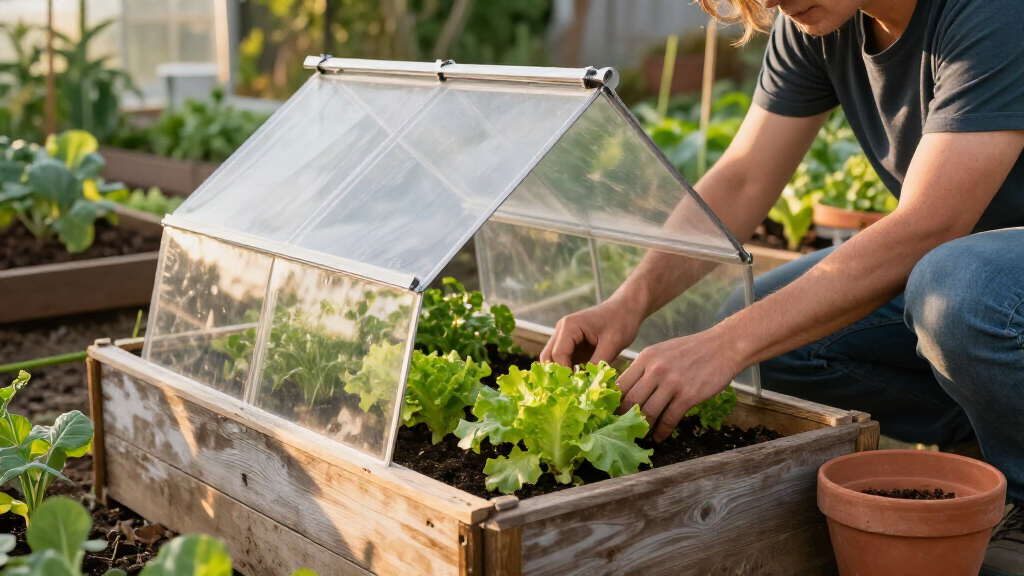
Homes & Gardens has featured an Outsunny portable cold frame made with a fir-wood frame and transparent polycarbonate panels, describing it as a compact way to shelter tender plants and grow some vegetables through colder weather. The report says the unit is about 39 inches long, 26 inches wide and 16 inches high; it does not establish independent test results or confirm current pricing and stock.
The product description gives its dimensions as 39.25 inches long, 25.5 inches wide and 15.75 inches high. It has a solid fir-wood frame and transparent, single-wall polycarbonate panels. The report says the lid slides open for ventilation and the angled design helps rainwater run off. These are product features as described in the article, not findings from a controlled comparison.
The Homes & Gardens report presents the frame as a multi-season tool, much like the wooden cold frame greenhouses gardeners use to start plants. In colder months, gardeners could place it over plants in the soil or use it to shelter pots. Suggested uses include protecting herbs and tender plants, and supporting leafy crops such as winter lettuce, spinach, arugula, chard and Asian greens, some of which are among the plants that benefit from cold. In spring, it can hold seed trays and small pots while seedlings develop or are hardened off before planting outdoors.
The article says the panels transmit light and that the enclosed space can trap daytime warmth, while recommending ventilation on warmer days to limit overheating. It also suggests placing the frame by a wall or adding bubble wrap inside or frost cloth at night for extra protection, similar to measures used to protect lavender from cold and wet. Those measures are presented as gardening suggestions; the source does not specify temperature thresholds or guarantee protection during severe freezes.
A Small Shelter for Longer Growing
For gardeners without a greenhouse, a portable cold frame can provide a covered growing space without requiring a permanent structure. Its modest footprint may suit a patio or small garden, while the ability to move it offers flexibility to shelter different plants as seasonal needs change. The report also identifies renters and gardeners short on indoor space as potential users.
The practical value depends on conditions and use. A cold frame can buffer plants from wind, rain and some cold, but a single-wall design should not be treated as a guarantee against frost or a substitute for checking local temperatures. Opening the lid for airflow matters because warmth can build inside on sunny days. Gardeners will need to monitor both temperature and ventilation, especially when seedlings or potted plants are enclosed.
Material choice is another consideration. The article describes polycarbonate as more impact- and shatter-resistant than glass and more substantial than thin plastic sheeting, while noting that twin-wall polycarbonate can retain more warmth but costs more. It does not supply prices for the featured model or a direct test comparing the products, so shoppers cannot use the report alone to determine the best value for their site or climate.
Products Worth Considering

Bose SoundLink Plus Portable Bluetooth Speaker, Wireless Outdoor Speaker, Up to 20 Hours Battery Life, Waterproof and Dustproof, Black

TCL 65-Inch QM6K QLED Mini-LED 4K HDR Smart Google TV, 144Hz

Hisense 65-inch U6 Pro Mini-LED 4K UHD Smart Fire TV
As an affiliate, we earn on qualifying purchases.
How the Frame Fits Seasonal Gardening
A cold frame is a low, covered structure that uses sunlight to warm a sheltered area around plants. The Homes & Gardens article contrasts lightweight plastic covers, which it says offer limited protection as temperatures fall, with polycarbonate panels. It describes single-wall polycarbonate as a stronger option that provides some insulation, and twin-wall sheets as a more insulating but more expensive alternative.
The featured Outsunny model is a single-wall example, rather than the higher-insulation twin-wall option discussed in the article. Its stated size leaves room for small pots or trays, but the available source does not give its weight, assembly instructions, warranty or exact ventilation range. Those details may affect how well it suits a particular garden and whether it can be moved easily once assembled.
Homes & Gardens also reports that shoppers praised the unit’s assembly and plant-protection performance. One reviewer described assembly as “super easy”; another said it went together in about 15 minutes and that the lid adjusted fairly easily. Other reported comments said it did a “good job protecting tender plants.” These are customer comments quoted by the article, not independently verified performance data, and the supplied excerpt does not identify the reviewers or provide the total number of reviews.
““Super easy.””
— A shopper quoted in the Homes & Gardens report
Price, Stock and Cold Limits
The supplied report does not give a current price, stock status or publication date, and its product listing reference does not confirm whether the model remains available. It also does not report controlled tests of insulation, durability or performance at specific temperatures.
How much protection the frame offers will depend on the weather, placement, plant type and whether the lid is managed for ventilation. The source does not state a minimum temperature the unit can withstand, quantify how much warmer it stays inside, or establish that it will protect plants through every winter. The customer reviews quoted in the article do not resolve those questions.
Check Conditions Before Buying
Readers considering the frame should check the retailer’s current listing for price, availability, dimensions and assembly details, then compare those specifications with the space and plants they intend to protect. The supplied source does not announce a launch, a new product revision or a scheduled follow-up; it is a product-focused gardening report.
For use, gardeners should follow local frost forecasts, ventilate the frame during warm or sunny conditions and add suitable protection on cold nights when needed. The next practical measure is to monitor plants inside the structure rather than assume the cover alone will maintain a safe temperature.
Key Questions
What are the dimensions of the featured cold frame?
The product description lists it at 39.25 inches long, 25.5 inches wide and 15.75 inches high, or about 39 by 26 by 16 inches.
What materials does it use?
The frame is described as fir wood with transparent, single-wall polycarbonate panels. The article does not provide independent durability test results.
Can it protect plants during freezing weather?
The report says it can shelter plants from weather and provide some insulation, but gives no minimum safe temperature or guarantee for severe freezes. It suggests added protection, such as frost cloth at night, and monitoring conditions.
What can gardeners grow in it?
The article suggests using it for tender plants, herbs and cool-season leafy vegetables, including lettuce, spinach, arugula, chard and Asian greens. It can also hold seed trays and small pots for spring starts.
Is the product currently available, and how much does it cost?
The supplied report does not state a current price or confirm present availability. Check the retailer’s listing for up-to-date information before purchasing.
Source: homesandgardens.com