
Smart air purifiers often collect data like usage patterns and environmental conditions to optimize their performance, but they don’t necessarily spy on your personal information. Some devices transmit data to cloud servers and could share details with third parties, which raises privacy concerns. It’s important to review each manufacturer’s privacy policies and security practices. If you want to understand how to protect your privacy and what risks may be involved, keep exploring this topic further.

Get garden gear delivered free — and shop member deals
- Fast, free delivery on millions of items
- Access to Prime Big Deal Days deals on October 6–7
- Prime Video, Amazon Music and more included
Key Takeaways
- Some smart air purifiers collect and transmit usage data to improve device performance, which could include environmental or user habits.
- Many models process voice commands locally, reducing the risk of data being sent to cloud servers.
- Manufacturers’ privacy policies vary; it’s important to review how your specific device handles data and sharing practices.
- Data security depends on proper network protection, firmware updates, and device settings to prevent unauthorized access.
- Choosing reputable brands with transparent privacy policies and local processing options enhances data privacy.

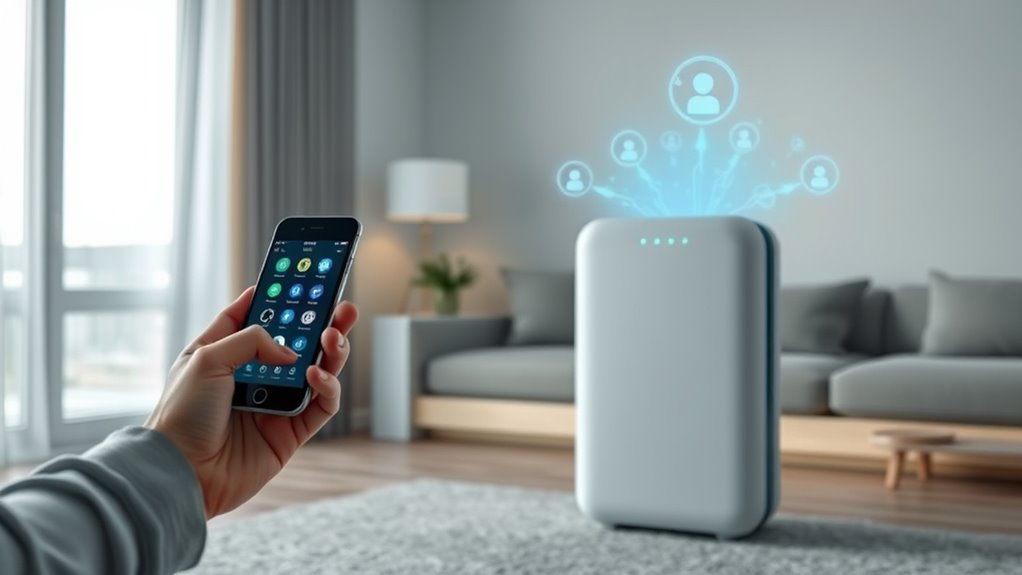
Smart air purifiers are becoming increasingly popular for their ability to monitor and improve indoor air quality automatically. These devices use advanced technology to detect pollutants, adjust filtration levels, and even respond to your voice commands. But as you enjoy the convenience, you might wonder if these gadgets are secretly spying on your data. It’s a valid concern, especially since many smart devices rely on features like voice recognition and user profiling to function effectively.
When your purifier incorporates voice recognition, it listens for specific commands to control settings hands-free. This technology requires the device to constantly listen for activation words, which raises questions about what data is being collected and stored. Typically, the device processes your voice locally to recognize commands, but some manufacturers transmit voice snippets to cloud servers for more accurate interpretation. If that’s the case, your voice data could be stored or analyzed by third parties, making privacy a concern.
User profiling is another feature that can lead to privacy worries. By analyzing your usage patterns, preferences, and even environmental data, smart air purifiers can personalize their operation to better suit your needs. For instance, if your purifier learns that you prefer higher filtration during allergy season, it might automatically adjust its settings accordingly. While this level of customization improves user experience, it also involves collecting detailed information about your habits and environment. If not properly secured, this data could be vulnerable to breaches or misuse.
Most manufacturers state that they prioritize user privacy and implement encryption and strict data handling policies. However, it’s essential to read privacy policies carefully to understand what data is collected, how it’s used, and whether it’s shared with third parties. Some devices may retain voice recordings or user profiles for extended periods, which could be accessed by unauthorized individuals if security measures are lax.
Manufacturers claim privacy, but always review policies to understand data use and storage practices.
You should also be aware that firmware updates and app integrations can introduce new vulnerabilities or data-sharing practices. Regularly updating your device’s software and using secure, private networks can help minimize risks. If privacy is your top concern, you might opt for models that process voice commands locally without transmitting data to the cloud or that offer clear controls over what information gets stored.
In the end, smart air purifiers are designed to make your life easier by automating air quality management. But it’s important to stay informed about how they handle your data. Being cautious about device permissions, reading privacy policies, and choosing reputable brands will help you enjoy the benefits without sacrificing your privacy.
privacy-focused smart air purifier
As an affiliate, we earn on qualifying purchases.
As an affiliate, we earn on qualifying purchases.
Frequently Asked Questions
Can Smart Air Purifiers Share Data With Third-Party Advertisers?
Smart air purifiers can share data with third-party advertisers through ads tracking and user profiling. When you connect your device, it may collect information about your usage and preferences, which can be shared with ad networks. This data helps advertisers target you with personalized ads. To protect your privacy, review the device’s privacy settings and opt out of data sharing when possible, ensuring your information stays secure.
Are There Specific Privacy Laws Regulating Smart Air Purifier Data Collection?
You might wonder about privacy laws governing your smart air purifier. Generally, privacy compliance requires companies to protect your data with strong data encryption and guarantee transparency about data collection. Regulations like GDPR and CCPA set standards for how your data is handled, giving you rights over your information. Always check the manufacturer’s policies to understand how they safeguard your privacy and whether they follow these legal requirements.
How Secure Is the Wi-Fi Connection for Transmitting Data From Purifiers?
Imagine your Wi-Fi connection as a guarded fortress; its security depends on strong encryption protocols. When transmitting data from your smart air purifier, these protocols act like a digital shield, preventing intruders. However, network vulnerabilities can still exist if your Wi-Fi isn’t properly secured. To keep your data safe, verify your Wi-Fi uses robust encryption and regularly update your router’s security settings—because a strong fortress keeps unwanted guests out.
Can I Disable Data Collection Features on My Smart Air Purifier?
You can usually disable data collection features on your smart air purifier through its settings menu. Check if the device allows you to turn off voice commands or restrict data sharing during firmware updates. Many manufacturers offer privacy options to limit data collection, so explore the app or device options. Disabling these features helps protect your privacy while still enjoying the air purifier’s core functions.
What Steps Should I Take to Protect My Data Privacy?
To protect your data privacy, start by reviewing your smart air purifier’s privacy settings and disable unnecessary data sharing features. Always check for updates on encryption protocols used by the device, ensuring your data is securely transmitted. Additionally, read the user consent agreements thoroughly, and opt out of data collection where possible. Staying informed and proactive helps safeguard your personal information from potential breaches or misuse.
Conclusion
Think of your smart air purifier as a friendly neighborhood watchman, always alert and collecting clues to keep your home safe. But just like any watchman, it might secretly note more than it should. Stay vigilant and know what data it gathers—trust your home’s guardian, but don’t forget to set boundaries. In the end, your privacy is your castle, and you hold the key to what’s kept inside.
Fall yard work Picks
leaf blowers
As an affiliate, we earn on qualifying purchases.