To size filtration in high-ceiling spaces efficiently, focus on enhancing airflow by strategically placing fans and air purifiers near the center or at the top of staircases to prevent stagnation. Use multiple units if needed and adjust fan speeds for ideal circulation. Proper placement reduces strain on filters and avoids overspending. Sealing gaps and maintaining equipment also boost efficiency. Keep these tips in mind, and you’ll discover how to achieve clean air without wasting money.
Key Takeaways
- Assess airflow patterns and stratification to identify stagnant zones needing targeted filtration placement.
- Use multiple, strategically positioned air purifiers or fans to promote even circulation and pollutant removal.
- Size filtration units based on room volume and airflow requirements, avoiding oversized or undersized systems.
- Install filters near airflow convergence points, such as room centers or above staircases, to maximize efficiency.
- Regularly maintain and seal gaps to ensure optimal airflow and prevent unnecessary equipment costs.

High ceilings can make a room feel spacious and elegant, but they also pose unique challenges when it comes to maintaining clean, healthy air. One of the biggest hurdles is ensuring proper airflow throughout the space. When ceilings are tall, air tends to stratify, with warm air rising to the top and cooler air settling lower down. This can create pockets of stale air and reduce the effectiveness of your filtration system. To combat this, you need to focus on airflow enhancement. Properly positioning fans or air purifiers can help circulate air more evenly, preventing stagnation and ensuring that pollutants are drawn into the filtration units. It’s not just about having a powerful filter but about making sure the air moves efficiently around the room.
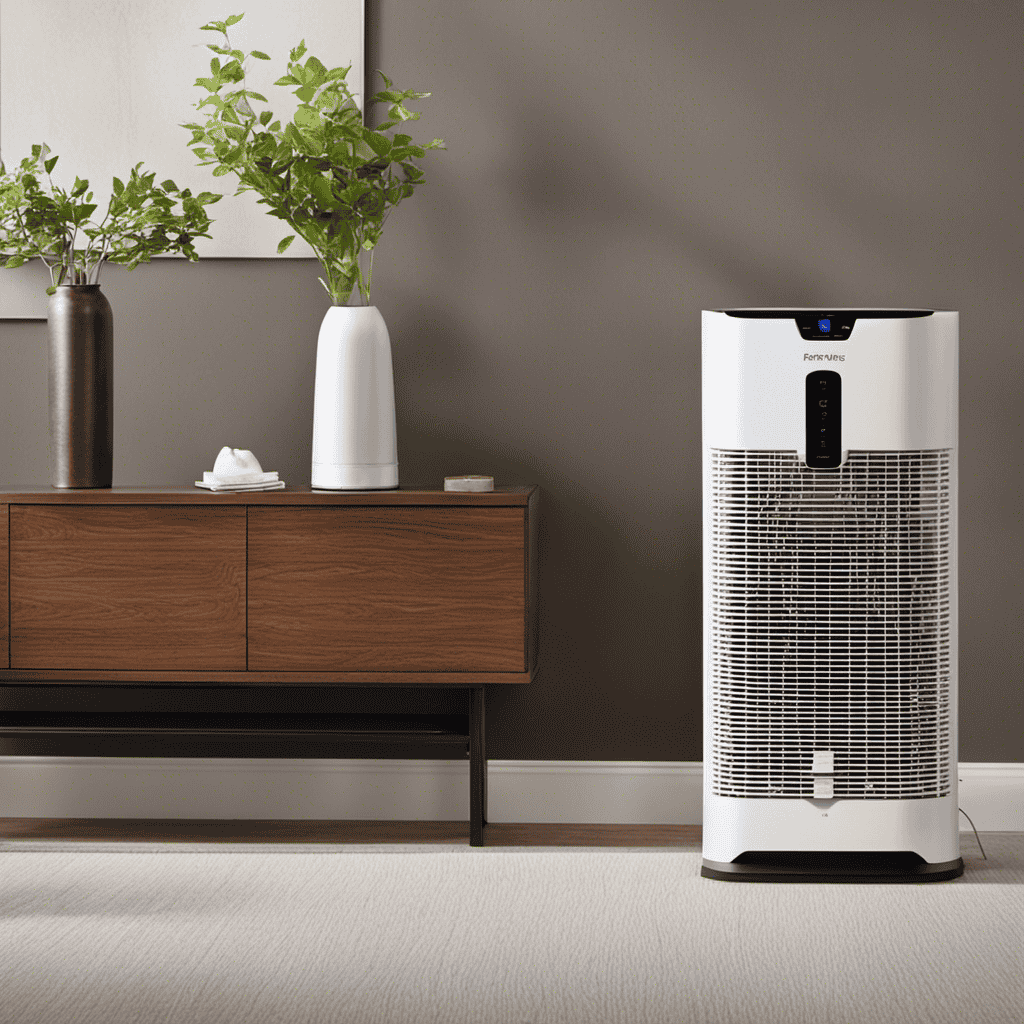
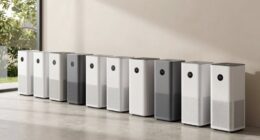
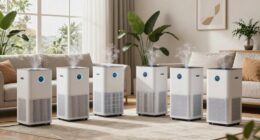
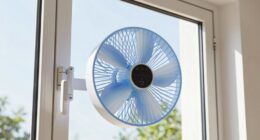
Filter placement plays a vital role in maximizing your filtration system’s efficiency in high-ceiling spaces. Instead of placing filters or purifiers near the floor or against walls, consider installing them at strategic points where airflow converges or in areas where pollutants tend to accumulate. For example, positioning a purifier near the center of the room or at the top of a staircase can facilitate better air circulation. If your room has ceiling fans, set them to rotate in a way that pushes air downward or across the space, helping to distribute cleaner air more uniformly. Remember, the goal is to prevent pollutants from lingering in corners or near the ceiling where airflow might be weaker.
In high-ceiling rooms, achieving ideal filtration isn’t just about choosing the right filter but also about understanding how air moves and where to position your equipment. Adjusting fan speeds, using multiple purifiers, or installing ceiling-mounted air filtration units can greatly improve air quality. Regularly replacing filters based on manufacturer recommendations is essential to maintain efficiency. Don’t overlook the importance of sealing gaps around windows and doors, as this can prevent outdoor pollutants from infiltrating and overwhelming your filtration system.
Frequently Asked Questions
How Do High Ceilings Affect Indoor Air Quality?
High ceilings can negatively impact your indoor air quality by reducing air circulation, making it harder to refresh the space efficiently. This causes dust accumulation in higher areas and can trap pollutants, leading to stuffy air. To combat this, you should upgrade your ventilation systems and consider using air purifiers designed for larger spaces. Proper air circulation guarantees pollutants are dispersed and removed, keeping your indoor environment healthier and more comfortable.
What Types of Filters Are Best for Large Spaces?
For large spaces, you should prioritize high-efficiency HEPA filters in your air purifier selection. These filters effectively capture airborne particles and allergens, improving air quality. Look for units with a long filter lifespan to avoid frequent replacements, which saves money over time. Make sure the purifier’s capacity matches your space size to maximize performance, and consider models with adjustable settings for ideal air cleaning.
How Often Should Filtration Systems Be Maintained in High-Ceiling Areas?
Like a vigilant guardian, you should check your filter maintenance every 3 to 6 months in high-ceiling areas. This guarantees peak air circulation and prevents dust buildup. Regular filter changes keep your system running efficiently, reducing energy costs and maintaining air quality. Keep an eye on performance and listen for signs like reduced airflow, so you can act before issues arise, maintaining a healthy, fresh environment.
Can I Retrofit Existing Systems for Better Performance?
Yes, you can retrofit existing systems for better performance by exploring cost-effective upgrades. Consider adding high-efficiency filters or upgrading fan motors with more powerful, energy-efficient ones. Retrofitting options like installing variable speed drives or improving airflow pathways can considerably boost filtration without replacing entire units. These upgrades are budget-friendly and tailored to enhance your system’s capacity, ensuring cleaner air and better performance in high-ceiling spaces.
What Is the Cost Difference Between Standard and High-Capacity Filters?
While high-capacity filters may seem like an investment, the cost comparison reveals they often save you money in the long run. Filter pricing for standard options is lower upfront, but they require more frequent replacements, increasing overall costs. High-capacity filters have a higher initial price, yet their durability and efficiency mean fewer replacements and better performance, making them a smarter choice for high-ceiling spaces over time.
Conclusion
Now that you know how to size your filtration system for high ceilings, you’re ready to breathe easier without wasting a dime. Think of your HVAC setup like a well-tuned orchestra—each part needs to be just right for harmony. With these tips, you’ll keep your air clean and your wallet happy, turning your space into a sanctuary rather than a money pit. Remember, the right filtration is the secret ingredient for fresh, healthy air.