To guarantee healthy indoor environments in schools and child-care centers, you should monitor key air quality metrics such as airborne particles, VOCs, and carbon dioxide levels. These measurements help identify pollution sources and assess ventilation effectiveness. Regularly tracking these metrics enables you to make informed decisions to improve air quality and protect occupants’ health. By understanding these crucial indicators, you’ll be better equipped to create a safe, comfortable space—keep exploring to learn more about maintaining ideal indoor air quality.
Key Takeaways
- Monitor levels of airborne particles, VOCs, and CO₂ to assess overall indoor air quality.
- Evaluate ventilation system performance, including airflow rates and filter status.
- Use real-time sensors to detect elevated pollutant levels and trigger immediate responses.
- Track pollutant trends over time to identify persistent issues and sources.
- Educate staff and implement targeted interventions to maintain a healthy indoor environment.

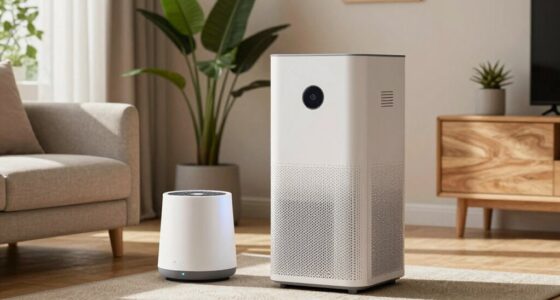
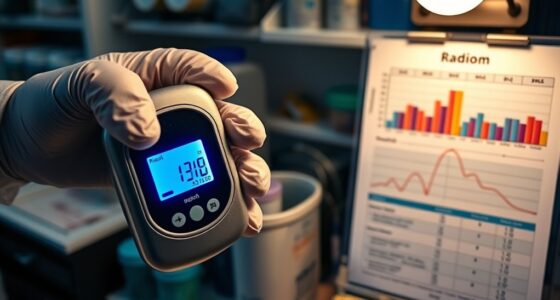
Air quality metrics are essential tools for understanding the cleanliness of the air you breathe. In school and child-care center environments, monitoring these metrics helps ensure a safe space for children and staff alike. One of the most critical aspects to consider is indoor pollutant levels. These include airborne particles, volatile organic compounds (VOCs), carbon dioxide, and other contaminants that can impact health and learning. By regularly measuring indoor pollutant levels, you can identify sources of pollution—such as cleaning agents, building materials, or outdoor air infiltration—and take steps to reduce exposure.
Understanding indoor pollutant levels alone isn’t enough. You also need to evaluate ventilation effectiveness, which determines how well fresh air replaces stale indoor air. Proper ventilation dilutes and removes pollutants, maintaining a healthier environment. If ventilation isn’t effective, pollutant levels can build up quickly, leading to increased respiratory issues, allergies, and decreased concentration among students. You should check if your ventilation systems are operating as intended, ensuring an adequate exchange of indoor and outdoor air. This involves inspecting HVAC systems, confirming proper airflow rates, and ensuring filters are clean and functioning correctly.
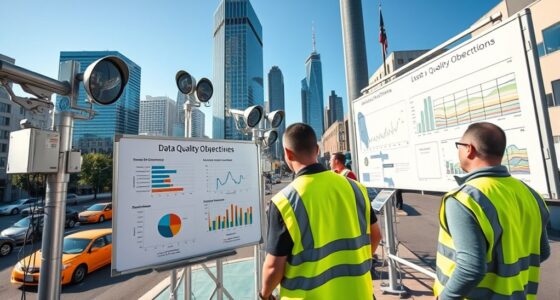
Monitoring indoor pollutant levels and ventilation effectiveness together gives you a holistic picture of your indoor air quality. For example, high pollutant levels coupled with poor ventilation suggest you need to improve airflow or reduce pollution sources. Conversely, if pollutant levels are low but ventilation is inadequate, you might need to upgrade your HVAC systems or increase fresh air intake. Many modern air quality sensors can track these metrics in real-time, providing instant feedback and alerting you to potential problems before they become severe. This proactive approach allows you to implement targeted interventions, such as increasing ventilation during peak pollution times or adjusting filtration systems.
Ultimately, maintaining good indoor air quality requires a continuous effort to monitor and improve indoor pollutant levels and ventilation effectiveness. Regular assessments help you identify trends and respond quickly to issues, creating a safer, healthier environment for children to learn and grow. Remember, the air quality in your school or child-care center directly impacts health, cognitive function, and overall well-being. By using accurate, real-time air quality metrics, you empower yourself to make informed decisions that protect those in your care. Proper ventilation and pollutant control aren’t just best practices—they’re essential for fostering a safe, comfortable space where children can thrive. Additionally, educating staff about air quality standards can help in maintaining a consistent focus on indoor environmental health.
Frequently Asked Questions
How Often Should Air Quality Be Monitored in Schools?
You should monitor air quality regularly, ideally using air quality sensors that provide real-time data. Monitoring frequency depends on factors like local regulations, building size, and occupancy, but generally, you should check at least daily during school hours. For maximum safety, consider more frequent monitoring, such as hourly, especially during peak times or if sensors detect issues. Consistent monitoring helps maintain a healthy environment for students and staff.
What Are the Health Effects of Poor Indoor Air Quality?
Poor indoor air quality can cause respiratory issues like asthma and allergies, making it harder for you and students to breathe comfortably. It may also lead to cognitive impacts, such as difficulty concentrating and reduced learning ability. Over time, exposure can worsen health problems and decrease overall well-being. Maintaining indoor air cleanliness is essential to protect health, support focus, and ensure a safe, healthy environment for everyone.
Are There Affordable Air Quality Testing Options for Schools?
Yes, you can find affordable air quality testing options for schools. Low-cost testing kits and DIY solutions are widely available online, making it easier to monitor indoor air quality without breaking the bank. These kits typically measure common pollutants like VOCs, particulate matter, and carbon dioxide. By using DIY testing, you can regularly check air quality and take prompt action to improve it, ensuring a healthier environment for everyone.
How Can Schools Improve Indoor Air Quality Effectively?
Imagine a school that recently upgraded its ventilation system and added air purifiers to classrooms. You can do the same by prioritizing ventilation upgrades, ensuring fresh air circulation, and investing in high-quality air purification units. These actions markedly reduce pollutants and improve air quality, creating a healthier environment. Regular maintenance and monitoring also help sustain these improvements, making sure your school stays safe and comfortable for everyone inside.
What Are the Legal Standards for Air Quality in Educational Facilities?
You should know that legal standards for air quality in educational facilities set ventilation standards and pollutant thresholds to protect health. These regulations, often mandated by agencies like OSHA or EPA, require you to make certain that proper airflow and limit harmful pollutants. Staying compliant involves regularly monitoring indoor air quality, maintaining HVAC systems, and adhering to these standards to create a safe environment for students and staff.
Conclusion
By monitoring air quality metrics in schools and child-care centers, you hold the power to protect your children’s health and future. Don’t underestimate how essential clean air is; it’s the breath of life that fuels learning and growth. Staying vigilant and proactive can prevent unseen dangers from wreaking havoc on little lungs. Remember, safeguarding the air they breathe isn’t just a choice — it’s the most important gift you can give their bright, promising tomorrow.