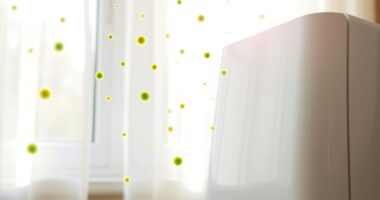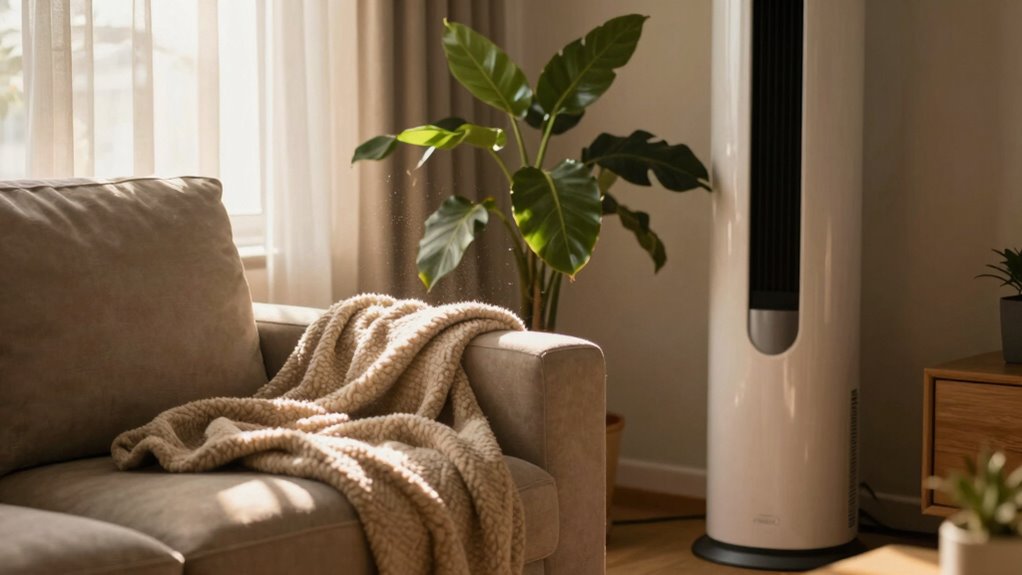
When allergy season hits indoors, the first changes you might notice are increased airborne allergen levels from dust mites, pet dander, and mold, even before symptoms show up. These sources release particles into the air as conditions become warmer and more humid, especially in poorly ventilated spaces. You might not feel it right away, but your air quality starts declining first. Stay tuned to find out how to minimize these early changes and breathe easier.

Get garden gear delivered free with Prime
- Fast, free delivery on millions of items
- Prime Video, Amazon Music and more included
- Member-only deals all year
Key Takeaways
- Airborne allergen particles increase in concentration due to ongoing release from sources like dust mites, pet dander, and mold.
- Indoor humidity levels rise, creating favorable conditions for dust mites and mold growth.
- Air filtration effectiveness decreases as allergen levels surpass filter capacity, allowing more particles to linger.
- Symptoms may begin to appear as immune responses are triggered by elevated indoor allergen exposure.
- Ventilation patterns shift, potentially trapping allergens indoors and reducing fresh air exchange.
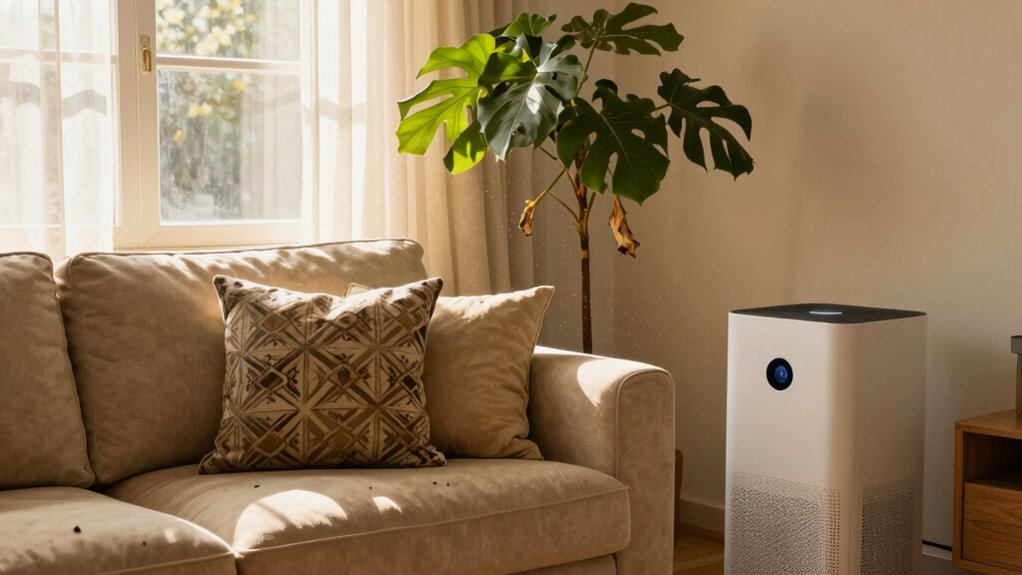
As allergy season peaks, many people assume their symptoms will subside once they step indoors, but allergens like dust mites, pet dander, and mold often thrive inside your home. The indoor environment can be just as problematic as the outdoors, if not more so, because of the constant presence of allergen sources that directly impact your indoor air quality. The quality of this air depends heavily on the allergen sources present in your home. You might notice your symptoms worsen or persist even after coming inside, and understanding why requires paying attention to what’s lurking in your living space.
Indoor air quality plays an essential role in allergy management. When you breathe in air filled with allergens, your immune system reacts, triggering symptoms like sneezing, congestion, and itchy eyes. The quality of this air depends heavily on the allergen sources present in your home. Common culprits include dust mites residing in bedding, upholstery, and carpets; pet dander shed by furry friends; and mold that grows in damp areas like bathrooms, basements, or behind walls. These sources release particles into the air continuously, making it difficult to escape their effects simply by remaining indoors. Understanding allergen behavior can help you develop more targeted strategies to reduce indoor allergen levels.
Indoor allergens like dust mites, pet dander, and mold can significantly impact air quality and allergy symptoms.
You might not realize how persistent these allergen sources are. Dust mites, for example, thrive in warm, humid environments and are often found in bedding, mattresses, and stuffed animals. Pet dander becomes airborne when your pets move around, scratch, or shed. Mold spores are easily dispersed into the air, especially if you have leaks or poor ventilation in moisture-prone areas. Without proper cleaning and maintenance, these allergen sources can accumulate, maintaining a high level of airborne particles that irritate your respiratory system. Monitoring and controlling indoor humidity can significantly reduce the proliferation of allergens like mold and dust mites. Implementing effective cleaning routines and using air filtration systems equipped with HEPA filters can capture many of these airborne particles, further improving indoor air quality. Additionally, understanding the behavior of allergen sources can help you develop more targeted strategies to reduce indoor allergen levels.
Changes in indoor air quality often happen before you notice any symptoms. You may begin to feel stuffy, sneezy, or congested even when outdoors conditions are less severe. This is because allergen levels inside your home can be higher than outside, especially if you don’t take steps to improve air circulation or reduce allergen buildup. Airborne particles linger longer in enclosed spaces, making it easier for allergens to trigger reactions. Regular cleaning, using HEPA filters, and controlling humidity levels can profoundly reduce allergen sources, but many people overlook these vital steps.
Ultimately, what changes first during allergy season indoors is the composition of your indoor air. As allergen sources release particles into the environment, your immune system reacts, often before you even realize the environment has become more hostile. Maintaining good indoor air quality isn’t just about comfort; it’s about controlling allergen levels so you can breathe easier, even during peak allergy seasons.
As an affiliate, we earn on qualifying purchases.
Frequently Asked Questions
How Can I Tell if My Indoor Allergies Are Worsening?
You can tell your indoor allergies are worsening if you notice increased sneezing, nasal congestion, or itchy eyes despite taking allergy medication. Keep an eye on the pollen count outside, as higher levels can increase indoor allergy symptoms. If your symptoms become more persistent or severe, it’s a good idea to consult a healthcare professional, review your allergy medication, and consider air purifiers or cleaning routines to reduce indoor allergens.
Do Indoor Plants Help or Worsen Allergy Symptoms?
Indoor plants are like double-edged swords in your allergy battle. While they can boost air quality, they also harbor dust, mold, and pollen triggers, making plant allergies worse. If you’re sensitive to pollen triggers, some plants might be more harm than help. Choose hypoallergenic varieties and keep them clean to reduce allergy symptoms, but if plant allergy is an issue, it’s best to limit or avoid certain indoor greenery.
Are Air Purifiers Effective Against Indoor Allergens?
Air purifiers are quite effective against indoor allergens when you maintain them properly. Regular air purifier maintenance, like changing the HEPA filter, guarantees peak HEPA filter efficiency, capturing more allergens such as dust mites, pet dander, and pollen. You should check and replace filters as recommended, usually every few months. This upkeep helps keep the air cleaner, reducing allergy symptoms and creating a healthier indoor environment for you.
What Household Cleaning Products Are Safest for Allergy Sufferers?
Did you know that over 20% of allergy sufferers report sensitivity to household chemicals? For safe cleaning, opt for natural cleaning products, like vinegar and baking soda, which are free from harsh chemicals. These minimize irritation caused by chemical sensitivities and reduce airborne allergens. Always read labels to avoid fragrances and synthetic ingredients. Choosing natural options helps create a healthier environment, especially during allergy season indoors.
How Does Humidity Influence Indoor Allergy Symptoms?
Humidity levels greatly influence your indoor allergy symptoms. When humidity is too high, it encourages mold growth, which can worsen allergies and asthma. Conversely, low humidity can dry out your nasal passages, making you more sensitive to irritants. You should aim to keep indoor humidity between 30-50% to prevent mold growth and maintain a comfortable environment, helping reduce allergy symptoms and improve overall air quality.
Conclusion
As the seasons shift, you might notice the subtle dance of indoor allergens settling in, whispering tales of change. Like a gentle breeze through a closed window, your environment begins to adapt, inviting new sensitivities to the surface. Embrace these quiet shifts as an invitation to nurture your space and yourself. With each mindful step, you create a sanctuary where comfort blooms amidst the quiet symphony of seasonal progression.
Fall Picks
fall essentials
As an affiliate, we earn on qualifying purchases.