As spring pollen returns, it’s essential to reset your indoor air for better allergy control. Use HEPA-filter air purifiers to trap airborne pollen, and keep windows closed during peak hours. Regularly clean surfaces and vacuum with a HEPA filter. Make certain your ventilation system is well-maintained and filters are fresh. Incorporate proper airflow techniques and use exhaust fans to remove allergens. If you want practical tips to improve your indoor air, keep exploring these strategies.
Key Takeaways
- Use HEPA filter air purifiers to effectively trap airborne pollen and improve indoor air quality.
- Regularly maintain and upgrade ventilation systems and filters to ensure optimal airflow and allergen removal.
- Keep windows closed during peak pollen hours and use exhaust fans to reduce indoor pollen entry.
- Conduct frequent cleaning with HEPA vacuum cleaners and wipe surfaces to remove settled pollen.
- Monitor indoor air quality and employ a multi-layered approach for a healthier, pollen-free home environment.
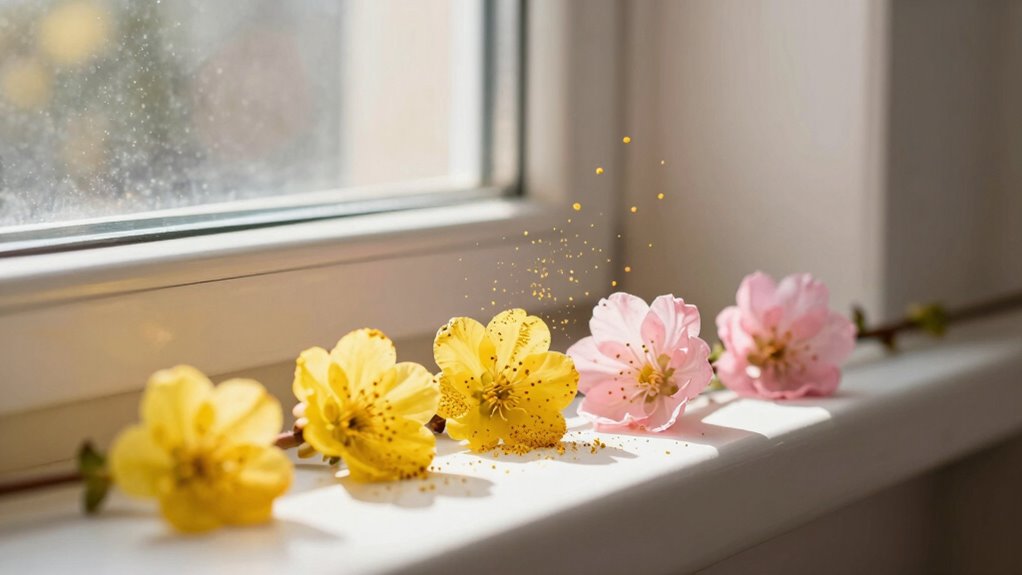
Have you ever wondered how to improve the air quality inside your home without costly renovations? Spring pollen is back, and it’s likely making your indoor air feel stuffy or itchy. But there’s good news—by resetting your indoor air, you can breathe easier and reduce pollen’s impact. One effective way is to use an air purifier. These devices are designed to trap allergens, dust, and pollen, significantly improving the quality of the air you breathe daily. When pollen is at its peak outside, an air purifier becomes your first line of defense, capturing tiny particles before they settle in your living space. Look for a purifier with a HEPA filter, which is proven to remove at least 99.97% of airborne particles, including pollen spores. Running it regularly, especially in bedrooms and common areas, can make a noticeable difference in allergy symptoms and overall comfort.
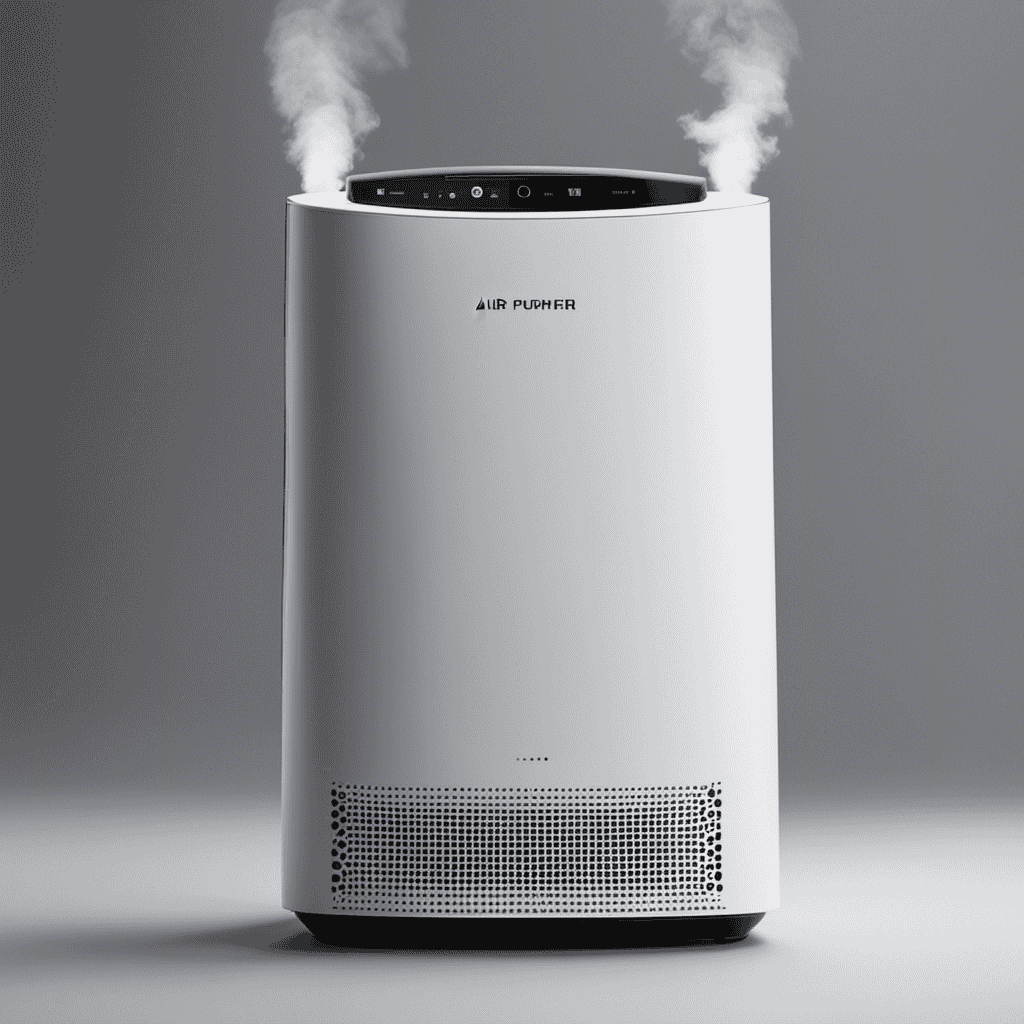
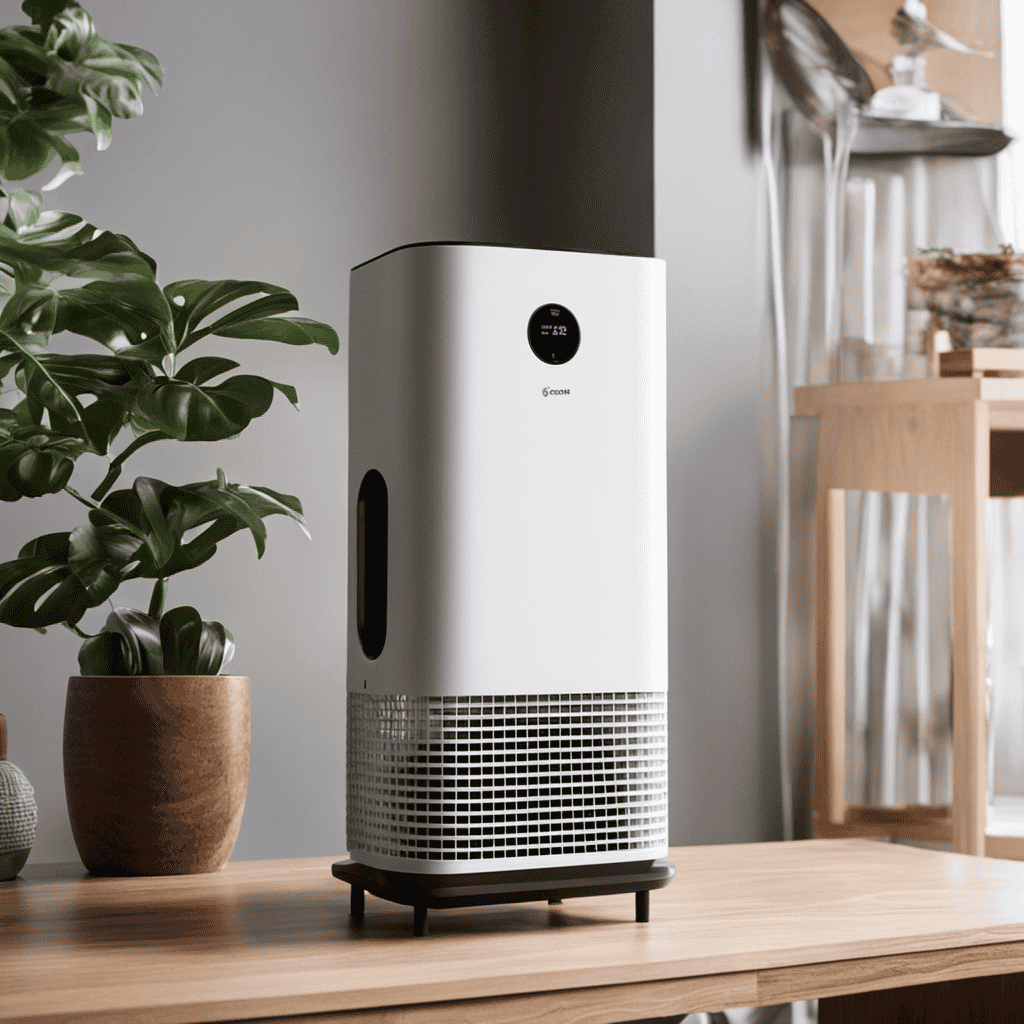
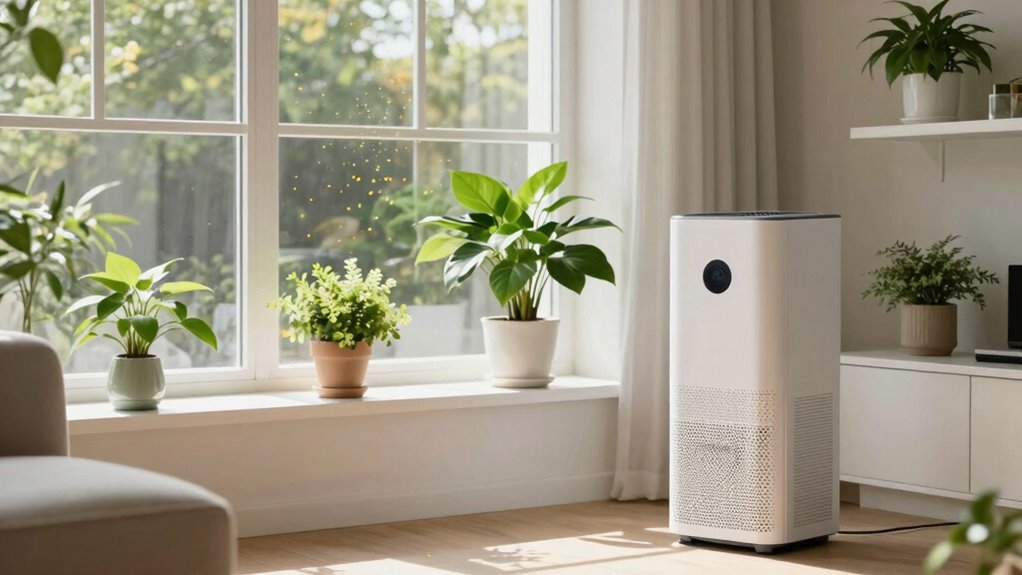
Using a HEPA filter air purifier can significantly reduce pollen and allergens indoors during peak season.
Along with an air purifier, optimizing your ventilation system is essential. A well-maintained ventilation system not only circulates fresh air but also expels indoor pollutants, including pollen that sneaks inside through open windows or doors. If your home has an HVAC system, consider upgrading or adjusting its filters to higher efficiency options during pollen season. Regularly changing filters prevents pollen buildup and ensures your system runs efficiently. For homes without central ventilation, using exhaust fans in kitchens and bathrooms helps remove airborne allergens. Opening windows briefly during times when pollen counts are low—like early mornings or after a rain—can also help refresh indoor air without letting in excessive pollen. Maintaining a high-efficiency filtration system is crucial during this period. Additionally, checking your air exchange rate can optimize how effectively your home’s ventilation system removes indoor pollen and pollutants. Incorporating proper ventilation techniques can further enhance indoor air quality by controlling airflow patterns. Regularly inspecting and maintaining your HVAC system can also prevent the buildup of allergens and improve overall air quality. Incorporating air quality monitors can also help you keep track of indoor pollutant levels and adjust your strategies accordingly.
Creating a multi-layered approach is key. Keep windows closed during peak pollen hours, and rely on your ventilation system to bring in cleaner air. Combining an air purifier with proper ventilation ensures your indoor environment stays as pollen-free as possible. You might also consider adding indoor plants that naturally filter air, but remember they shouldn’t be your only line of defense since pollen can still enter through other means. Regular cleaning, especially vacuuming with a HEPA filter and wiping surfaces, minimizes pollen that settles on furniture and floors.
In essence, resetting your indoor air during pollen season involves more than just opening windows. It’s about actively managing the air you breathe with the right tools—like an air purifier and a well-maintained ventilation system—so you can enjoy spring without allergy discomfort. By taking these steps, you’ll create a healthier, fresher indoor environment that helps you feel better every day.

FreAire Air Purifiers for Bedroom Up to 1086 Ft², Air Purifiers for Home with Lights, HEPA Air Purifier Removes Dust Smoke Pollen Dander Smell, for Home/Pets/Bedroom
- HEPA Filtration System: Filters smoke, pollen, pet dander, odors
- Ambient Lighting: Includes 3 soothing light options
- Large Coverage Area: Covers up to 1086 sq ft
As an affiliate, we earn on qualifying purchases.
As an affiliate, we earn on qualifying purchases.
Frequently Asked Questions
How Can I Tell if My Indoor Air Quality Is Poor?
If your indoor air feels stuffy or causes allergies to flare, it’s a sign your air quality might be suffering. You can check for poor air circulation, excessive humidity, or lingering odors. Low ventilation and uncontrolled humidity can trap pollen and dust, making it worse. To improve, guarantee proper air circulation and humidity control, and consider air purifiers. Don’t ignore these signs—your home’s air quality might be more fragile than you think.
Are There Specific Plants That Help Reduce Pollen Indoors?
Yes, certain indoor plants can help with pollen reduction. Plants like the snake plant, peace lily, and spider plant are known for filtering air and reducing airborne allergens, including pollen. By adding these plants to your home, you improve air quality and create a natural barrier against pollen. Just make sure you keep them healthy and dust-free to maximize their pollen-reducing benefits.
How Often Should I Change My HVAC Filters During Pollen Season?
You should change your HVAC filters every 1 to 2 months during pollen season. Did you know that pollen buildup can increase indoor pollutants by up to 50%? Regular filter maintenance helps trap airborne pollen and allergens, improving air quality. Don’t wait too long—neglecting filter changes allows pollen and dust to accumulate, which can worsen allergy symptoms and strain your HVAC system. Stay proactive to keep your indoor air fresh and healthy.
Can Air Purifiers Completely Eliminate Pollen From Indoor Air?
Air purifiers with HEPA filters considerably reduce pollen in your indoor air but can’t eliminate it completely. HEPA filters trap tiny pollen particles effectively, especially with other air purifier types like activated carbon filters or UV purifiers enhancing performance. To improve air quality during pollen season, use a high-quality air purifier with a HEPA filter, keep windows closed, and regularly change filters. This combination helps minimize pollen exposure indoors.
What Are Natural Methods to Boost Indoor Air Quality?
To boost your indoor air quality naturally, prioritize regular air purifier maintenance to guarantee it works efficiently. Use natural air fresheners like essential oils or plants to add a clean scent without chemicals. Keep your home well-ventilated by opening windows when possible, and maintain cleanliness by dusting and vacuuming frequently. These simple steps help reduce pollen, dust, and indoor pollutants, creating a healthier living environment for you.
Conclusion
As spring pollen returns, it’s essential to reset your indoor air for a healthier home. Regular cleaning, air purifiers, and good ventilation can make a big difference. Remember, a clean house is a happy house—”A stitch in time saves nine.” Taking these small steps now guarantees you breathe easier and enjoy the season without allergy misery. Don’t wait until the trouble’s at your door—act today for fresher, cleaner air tomorrow.