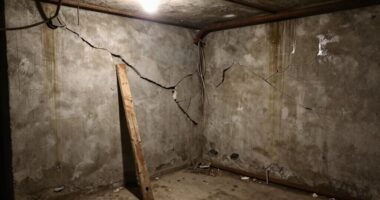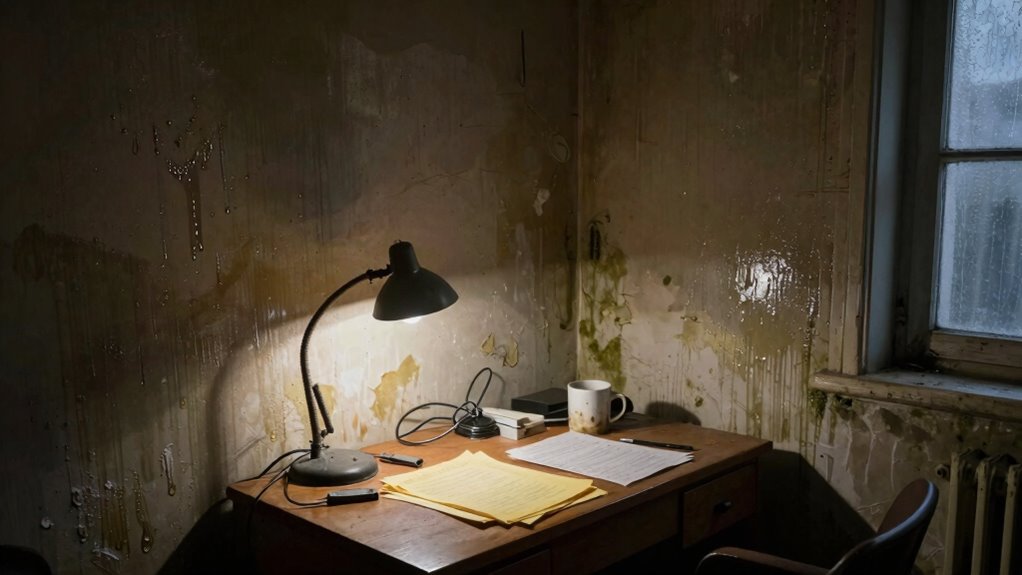

Converting your basement into an office can be great, but moisture, odors, and poor airflow often cause problems. Dampness and humidity can lead to mold, while odors like mustiness can disrupt your focus. Insufficient ventilation makes stale air and odors worse, and poor insulation causes temperature swings that hinder productivity. Addressing these issues early is key to creating a comfortable, healthy workspace. Keep going to discover effective ways to overcome these common challenges.

Get garden gear delivered free with Prime
- Fast, free delivery on millions of items
- Prime Video, Amazon Music and more included
- Member-only deals all year
Key Takeaways
- Address moisture issues early to prevent dampness, mold, and odors that impair focus and comfort.
- Improve ventilation with exhaust fans or air purifiers to maintain fresh air and reduce stale smells.
- Insulate properly to regulate temperature and eliminate cold drafts or overheating that disrupt concentration.
- Use moisture barriers and dehumidifiers to control humidity levels and prevent mold growth.
- Regularly monitor and maintain ventilation and insulation systems for a healthy, productive basement office environment.
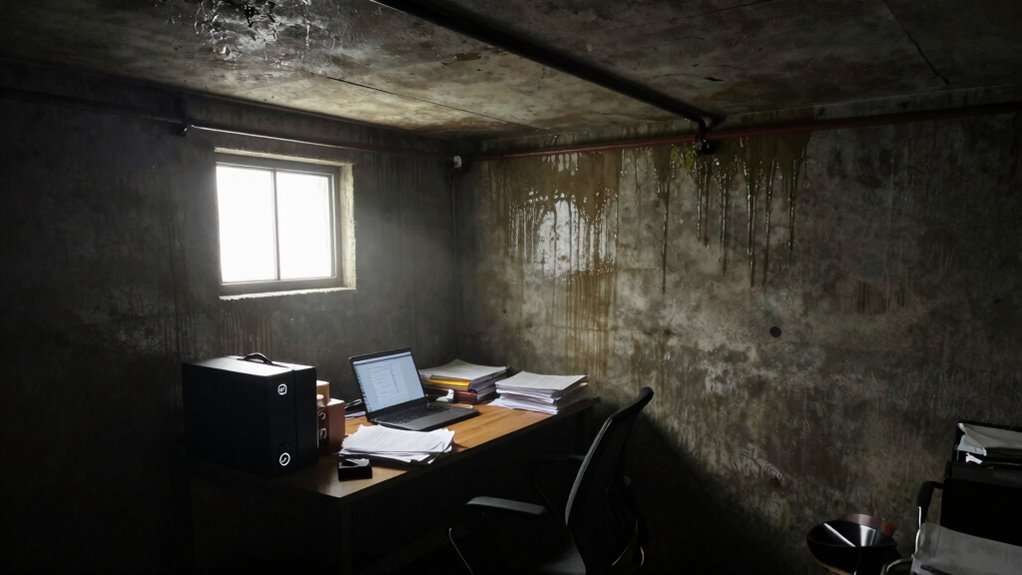
Have you ever considered transforming your basement into a functional office space? It’s a great idea—extra privacy, a quiet environment, and a dedicated workspace. But before you get too excited, it’s important to recognize some of the common challenges that come with converting a basement into an office. Moisture, odors, and focus can quickly become issues if you don’t address underlying problems like ventilation issues and insulation problems.
One of the biggest hurdles is poor ventilation. Basements often lack proper airflow, which leads to stale air that can cause discomfort and reduce your productivity. If your basement isn’t equipped with enough vents or exhaust fans, you might notice a lingering musty smell that’s hard to eliminate. Without adequate ventilation, humidity levels can rise, creating an environment conducive to mold growth and musty odors. This not only impacts your comfort but also poses health risks over time. Installing a good ventilation system, such as an exhaust fan or air purifier, is essential to keep fresh air circulating and maintain a healthier atmosphere. Regularly opening windows, if possible, can also help, but in most basements, mechanical ventilation is the most reliable solution. Proper air circulation is vital for maintaining a fresh and healthy environment. Additionally, understanding the importance of moisture control can help prevent long-term issues related to humidity.
Insulation problems are another common obstacle that can affect your ability to create a comfortable office space. Many basements are poorly insulated, which makes them susceptible to temperature fluctuations. During winter, cold drafts seep through gaps, making it difficult to stay warm and focused. Conversely, during summer, a lack of proper insulation can cause the space to overheat, reducing comfort and productivity. Insufficient insulation can also lead to condensation issues, which further contribute to moisture problems. To combat this, investing in quality insulation materials for walls, floors, and ceilings is crucial. Proper insulation not only keeps the space comfortable year-round but also helps control humidity levels and prevents moisture buildup. Addressing ventilation and insulation early on can significantly improve the overall environment of your basement office.
Addressing these issues early on will make your basement office more inviting and functional. Adequate ventilation and insulation form the foundation of a healthy workspace. Once these are in place, you’ll notice fewer odors, a more stable temperature, and a more focused environment. Don’t overlook these essential upgrades, because creating a comfortable and efficient basement office depends on solving these fundamental problems first. When ventilation and insulation are properly managed, your basement can become a productive, inspiring place to work—without the distractions of moisture, odors, or temperature swings.
As an affiliate, we earn on qualifying purchases.
Frequently Asked Questions
How Can I Prevent Mold Growth in My Basement Office?
To prevent mold growth in your basement office, guarantee proper ventilation and control humidity levels. Use effective basement insulation to reduce temperature fluctuations that cause moisture buildup. Incorporate air purification systems to improve air quality and eliminate mold spores. Regularly check for leaks or damp spots, and keep the space dry. By maintaining consistent airflow and moisture control, you can create a healthier environment and prevent mold from thriving.
What Are the Best Ventilation Options for Basement Workspaces?
Ventilation varieties vastly improve your basement workspace. You should prioritize powerful, practical options like positive-pressure fans or passive vents. These systems promote consistent air circulation, reducing moisture and odors. Installing an exhaust fan or an air exchange system can considerably boost airflow, ensuring fresh, filtered air flows freely, fighting humidity and fostering focus. Proper ventilation options not only clear the air but also create a comfortable, clean environment for your work.
How Do I Eliminate Persistent Basement Odors Effectively?
To eliminate persistent basement odors effectively, start by using air purifiers with activated carbon filters to trap smells. Combine this with odor absorbers like baking soda or charcoal placed discreetly around the space. Regularly ventilate the area to exchange stale air. Make certain moisture issues are addressed, as dampness fuels odors. Consistent cleaning and sealing any leaks or damp spots also help keep odors at bay.
What Are Safe and Non-Toxic Moisture Control Methods?
Imagine you set up an eco-friendly dehumidifier and natural moisture absorbers in your basement. These safe, non-toxic methods actively reduce humidity without harsh chemicals, keeping the air dry and healthy. Eco-friendly dehumidifiers use energy-efficient technology, while natural absorbers like silica gel or charcoal absorb excess moisture safely. Together, they create a comfortable, mold-free space without risking your health or the environment.
How Can I Improve Lighting in a Basement Office?
To improve lighting in your basement office, start by choosing bright, neutral color schemes like whites or light grays to reflect light better. Install a combination of lighting fixtures, such as overhead LED lights for general illumination and task lamps for focused work. Consider adding mirrors to bounce light around the space, creating a more inviting and well-lit environment that enhances your focus and productivity.
Conclusion
Despite concerns about moisture and odors, transforming your basement into a productive office is entirely doable. With proper ventilation, dehumidifiers, and smart organization, you can create a comfortable workspace that boosts your focus. Some worry about cost or effort, but investing in these improvements pays off in increased productivity and well-being. Remember, a well-maintained basement office not only enhances your work life but also adds value to your home—making the effort truly worthwhile.
Halloween Picks
halloween
As an affiliate, we earn on qualifying purchases.