Improved vacuum designs target pet hair and allergens by incorporating powerful suction, specialized brushes, and sealed systems that trap tiny particles. Regular grooming and maintenance enhance cleaning results, reduce allergen dispersal, and keep air quality high. HEPA filters and easy-to-clean parts prevent buildup and release of allergens back into your home. By focusing on these features, you create a healthier environment for you and your pets. Keep exploring to learn how these innovations can transform your cleaning routines.
Open a free Amazon Business account
Business pricing, bulk buying and tax-exempt orders.
As an affiliate, we earn on qualifying purchases.
Key Takeaways
- Modern vacuum designs include specialized brushes and stronger suction to effectively remove pet hair and allergens.
- Sealed system vacuums prevent allergens and fine pet hair from escaping back into indoor air.
- HEPA filters in vacuums trap microscopic allergens, improving air quality and reducing allergy symptoms.
- Regular maintenance, like filter rinsing and bin emptying, ensures consistent removal of pet hair and allergens.
- Combining grooming, filtration, and advanced vacuum features creates a cleaner, healthier environment for pets and humans.
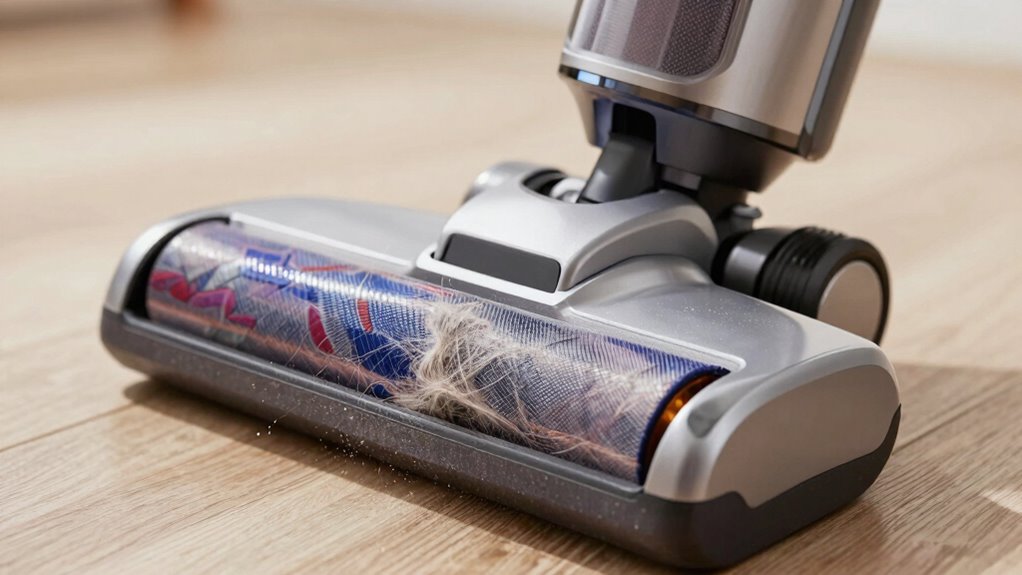
If you have pets, you’ve probably noticed how their hair can quickly spread across your home, making cleaning a constant challenge. Pet hair isn’t just a visual annoyance; it carries allergens that can trigger reactions and worsen respiratory issues. That’s where pet grooming comes into play. Regular brushing and bathing reduce shedding and loose hair, making your vacuuming more effective. When your pets are well-groomed, there’s less hair to lift off surfaces, which means your vacuum doesn’t have to work as hard to pick up what’s loose.
Regular pet grooming reduces shedding, making vacuuming easier and more effective.
However, even with frequent grooming, some hair and allergens still end up floating in the air and settling on surfaces. This is where air filtration becomes critical. Modern vacuum cleaners equipped with HEPA filters can trap tiny particles, including pet dander, pollen, and dust mites, preventing them from recirculating back into your living space. Without proper air filtration, these allergens linger, making your home less healthy and increasing allergy symptoms. So, choosing a vacuum with strong air filtration isn’t just about cleaning power—it’s about improving indoor air quality and reducing allergic reactions.
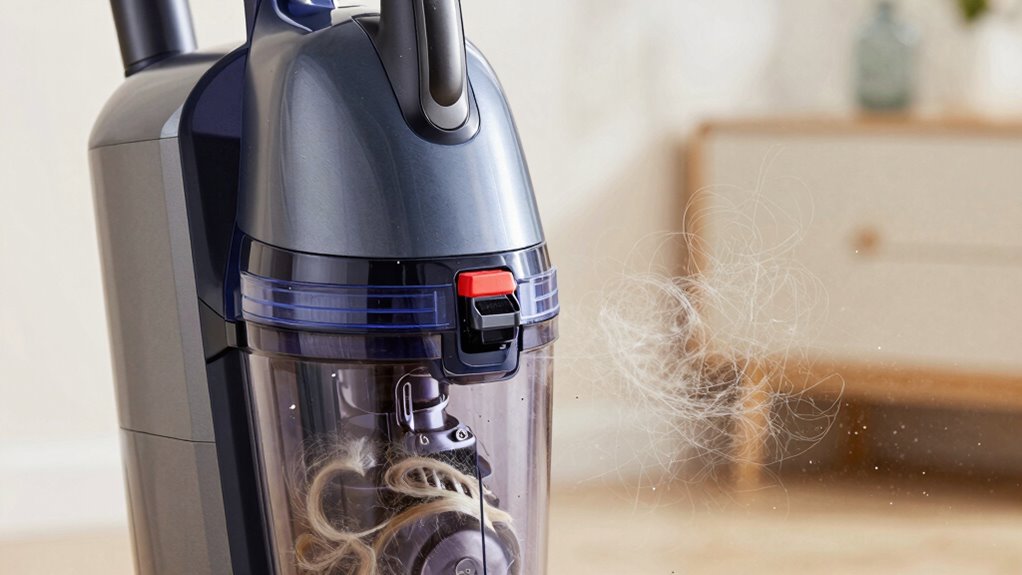
Vacuum design plays a significant role in tackling pet hair and airborne allergens. Traditional vacuums may struggle with fine pet hair and tiny particles, pushing them around rather than collecting them. In contrast, newer models feature specialized brushes and suction mechanisms designed to lift pet hair from carpets and upholstery more effectively. Many vacuums now incorporate motorized brush rolls that loosen hair from fibers, making it easier to suck up. Additionally, a well-designed vacuum has a sealed system that prevents dust and allergens from escaping back into the air during operation. This design change significantly improves cleaning results and promotes a healthier home environment.
Another important aspect is the ease of maintenance. Vacuums with washable filters and easily accessible dustbins encourage more frequent cleaning, ensuring allergens don’t accumulate over time. When you can quickly empty the bin or rinse out the filters, you’re more likely to maintain optimal filtration and suction power. This continuous performance prevents allergens from building up in your vacuum, which could otherwise be released back into your home through poorly sealed systems. Recognizing the importance of air filtration can help you choose a vacuum that maintains a healthier indoor environment over time.
Ultimately, the combination of pet grooming, effective air filtration, and intelligent vacuum design makes a real difference. It’s about creating a cleaner, healthier environment where pet hair and allergens are managed efficiently. When you pay attention to these factors, your home becomes less dusty, less allergenic, and more comfortable for everyone—pets included.
vacuum cleaner with HEPA filter for pet hair
As an affiliate, we earn on qualifying purchases.
As an affiliate, we earn on qualifying purchases.
Frequently Asked Questions
How Often Should I Replace My Vacuum Filters for Allergy Relief?
You should replace your vacuum filters, especially HEPA filters, every 6 to 12 months for guaranteed air filtration and allergy relief. Regular replacements prevent buildup of allergens and ensure your vacuum maintains strong suction. Check your vacuum’s manual for specific recommendations, as usage frequency and pet hair can affect filter lifespan. By changing filters on time, you improve air quality and reduce allergy symptoms effectively.
Do Certain Vacuum Types Trap Pet Hair Better Than Others?
Certain vacuum types, like HEPA and cyclonic models, trap pet hair better than others, ensuring your floors stay spotless. They harness powerful vacuum airflow, pulling even the tiniest hairs deep into the container or filter. Imagine a force so mighty, it swallows pet hair whole, leaving your home cleaner and allergen-free. You’ll love how these vacuums turn pet hair removal into a quick, effortless task, transforming your cleaning routine forever.
Can Vacuum Design Influence Allergen Distribution in the Home?
Yes, vacuum design can influence allergen distribution in your home. When you focus on airflow optimization, your vacuum can efficiently move allergens away from surfaces and into the collection bin. Advanced filter technology, like HEPA filters, traps tiny particles and prevents allergens from escaping back into the air. By choosing a vacuum with these features, you reduce allergen spread, making your environment healthier and more comfortable.
What Are the Best Practices for Cleaning a Vacuum After Pet Hair?
Think of your vacuum as a trusty steed after a long journey—cleaning it thoroughly is crucial. For pet hair removal, remove and wash the brush roll regularly, and empty the bin or replace the bag after each use. Vacuum maintenance includes cleaning filters and checking for blockages. This routine guarantees your vacuum stays efficient, prevents pet hair buildup, and keeps allergens at bay, making your home cleaner and healthier.
Are There Specific Features to Look for in Vacuums for Allergy Sufferers?
Yes, when choosing a vacuum for allergy sufferers, look for models with high-efficiency air filtration, like HEPA filters, which trap pet dander and allergens effectively. You should also consider vacuums with sealed systems to prevent allergens from escaping back into the air. These features help improve indoor air quality, making your environment healthier and more comfortable for allergy sufferers. Regularly maintaining these features maximizes their benefits.
Conclusion
By understanding how pet hair and allergens interact with vacuum design, you reveal the secret to a cleaner, healthier home. Think of your vacuum as a superhero, wielding the power to sweep away stubborn hair and sneaky allergens that threaten your comfort. When you choose a model with smart design features, you’re not just cleaning—you’re battling an invisible enemy and winning. So, gear up with the right vacuum and breathe easy in your pet-loving sanctuary.
Flea & tick season Picks
flea and tick prevention
As an affiliate, we earn on qualifying purchases.