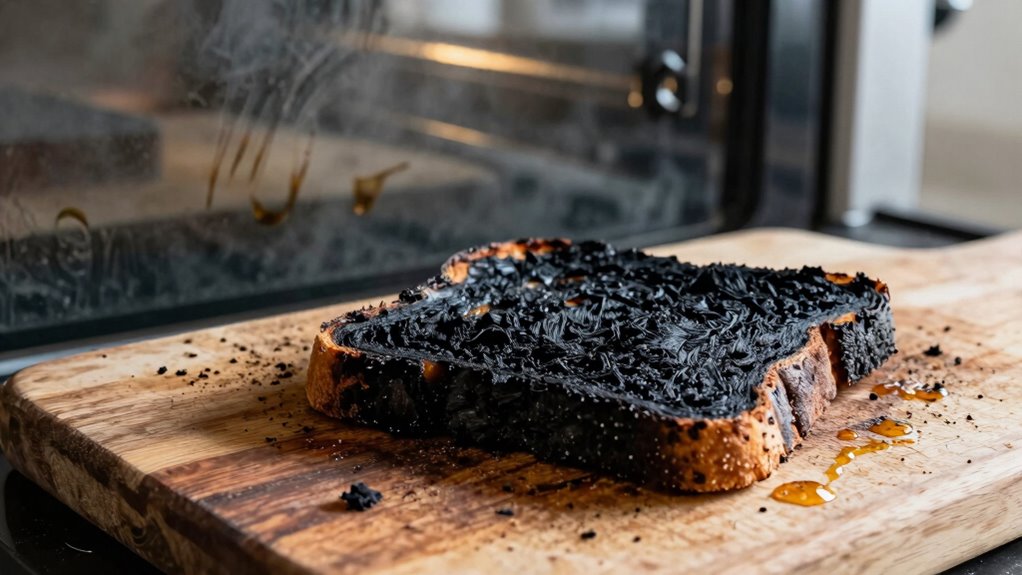

When you burn toast or cook at high temperatures, harmful pollutants like acrolein, formaldehyde, and VOCs are released into your indoor air. These tiny particles can settle on surfaces and linger unnoticed, especially with poor ventilation. Residues from grease and food can also foster mold and bacteria, worsening air quality over time. To keep your home safer, understanding how these hidden pollutants build up is key—stick around to learn more.
Key Takeaways
- Burnt toast releases harmful fumes like acrolein and VOCs that can degrade indoor air quality silently.
- High-temperature cooking and oven use emit airborne particles containing formaldehyde and other toxic chemicals.
- Kitchen residues and grease buildup harbor microbes and trap pollutants, increasing indoor pollution over time.
- Poor ventilation during cooking and cleaning causes pollutants to accumulate and linger indoors.
- Regular cleaning and proper airflow significantly reduce hidden indoor pollutants from kitchen activities.
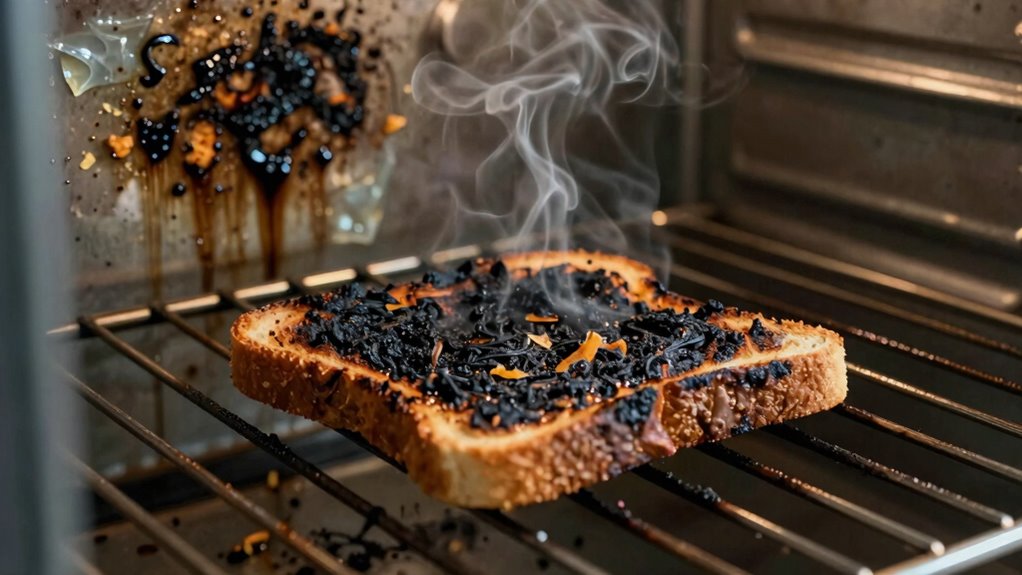
Many people overlook how everyday kitchen activities can introduce hidden pollutants into their homes. Simple actions like toasting bread or using your oven can release airborne particles that subtly impact indoor air quality. While these tasks seem harmless, the fumes and residues they produce can accumulate over time, affecting your health and comfort. You might not notice it immediately, but the buildup of burnt toast fumes or greasy kitchen residue can compromise the air you breathe daily. This is why understanding how household cleaning and cooking habits influence indoor air quality is essential for maintaining a healthier living environment.
Everyday kitchen activities can silently introduce pollutants affecting your home’s air quality and your health.
When you burn toast or cook at high temperatures, your kitchen releases tiny particles called particulate matter into the air. These particles can contain harmful substances, including acrolein, formaldehyde, and other volatile organic compounds (VOCs). Over time, if your kitchen isn’t well-ventilated, these pollutants linger and settle on surfaces, increasing the level of indoor air pollutants. Continuous exposure, especially in poorly ventilated spaces, can trigger respiratory issues, allergies, or worsen existing health conditions. It’s not just about the immediate smell; it’s about the invisible particles that can quietly degrade your indoor air quality. indoor air pollutants can accumulate silently, making it crucial to address their sources. Regularly updating your ventilation systems can significantly reduce these risks. Additionally, using air purifiers equipped with HEPA filters can further help remove airborne particles and improve air quality.
Household cleaning plays a crucial role in controlling these pollutants. Regularly cleaning kitchen surfaces, appliances, and filters helps remove residues that can harbor dust, grease, and other contaminants. Greasy kitchen residue, left uncleaned, can serve as a breeding ground for mold and bacteria, further compromising indoor air quality. Using natural or low-VOC cleaning products minimizes additional chemical emissions, which can add to indoor pollution. Proper ventilation and routine cleaning also prevent the buildup of kitchen residues, which can trap and harbor harmful microbes and allergens. Additionally, paying attention to your ventilation system—whether it’s an exhaust fan, range hood, or open windows—helps expel airborne particles generated during cooking. Proper cleaning and ventilation reduce the risk of these pollutants accumulating to levels that could harm your health. Incorporating proper ventilation techniques further enhances indoor air quality by effectively removing airborne contaminants before they settle. Maintaining a consistent cleaning routine helps prevent the buildup of these pollutants over time. Moreover, choosing eco-friendly cleaning methods can lessen the introduction of synthetic chemicals into your indoor environment, supporting overall air quality.
In essence, your kitchen habits directly influence the quality of air inside your home. Being mindful of how household cleaning and cooking practices contribute to indoor air quality empowers you to take steps toward a cleaner, healthier environment. Simple adjustments, like avoiding burnt toast, cleaning greasy surfaces regularly, and ensuring good ventilation, make a significant difference. You don’t have to overhaul your routine, but small, consistent efforts can prevent pollutants from building up. Recognizing that everyday kitchen activities can silently introduce harmful particles helps you take control of your indoor air quality, creating a safer space for yourself and your loved ones.
air purifier with HEPA filter for kitchen
As an affiliate, we earn on qualifying purchases.
As an affiliate, we earn on qualifying purchases.
Frequently Asked Questions
Can Kitchen Pollutants Cause Long-Term Health Issues?
Yes, kitchen pollutants like cooking chemicals and kitchen mold can cause long-term health issues. When you cook, chemical residues from non-stick pans or processed foods may linger, and mold spores from damp areas can become airborne. Over time, exposure to these pollutants can lead to respiratory problems, allergies, or other health concerns. Regular cleaning, proper ventilation, and using non-toxic products help reduce your risk and keep your home healthier.
Are There Safe Methods to Clean Stubborn Oven Residue?
Yes, there are safe methods to clean stubborn oven residue. You can try alternative cleaning techniques like using baking soda and vinegar, which are natural cleaning methods that effectively break down grime without harsh chemicals. Apply a paste of baking soda and water, let it sit overnight, then scrub with a sponge. These natural methods are eco-friendly, non-toxic, and safe for your family while keeping your oven spotless.
Do Certain Foods Contribute More to Kitchen Pollution?
Yes, certain foods contribute more to kitchen pollution. Foods like greasy meats, fried items, and heavily spiced dishes produce more food residue and cooking fumes, which can linger in your kitchen. These residues and fumes can contain harmful particles and chemicals, impacting air quality. To minimize pollution, clean up food residue promptly, use proper ventilation, and avoid cooking overly greasy or smoky foods in enclosed spaces.
How Often Should Kitchen Appliances Be Professionally Inspected?
You should schedule professional inspections of your kitchen appliances at least once a year to guarantee proper appliance maintenance. Regular inspection frequency helps identify potential issues early, preventing pollution from buildup or malfunction. By staying proactive, you reduce the risk of fire hazards and harmful emissions, keeping your kitchen safer and cleaner. Don’t wait until you notice problems—annual inspections are key to maintaining ideal appliance performance and safety.
Can Indoor Air Purifiers Reduce Kitchen-Related Pollutants?
Indoor air purifiers can effectively reduce kitchen-related pollutants when they have high air purifier efficiency. Look for models with activated carbon filters to target odors and chemical fumes, and HEPA filters for particulate matter. Residue removal techniques, like regular cleaning and ventilation, complement air purifiers. By combining these methods, you minimize airborne contaminants from cooking, burnt toast, and kitchen residue, creating a healthier environment in your home.
Conclusion
To protect your health, stay mindful of what’s left behind—whether it’s burnt toast, lingering oven fumes, or stubborn kitchen residue. Clean regularly, ventilate thoroughly, and avoid the temptation to ignore those small signs of buildup. Because your kitchen isn’t just a place to cook; it’s a space to breathe, to thrive, and to keep invisible dangers at bay. Take action today, for a cleaner, safer, healthier home tomorrow.