TL;DR

Get garden gear delivered free with Prime
- Fast, free delivery on millions of items
- Prime Video, Amazon Music and more included
- Member-only deals all year
Buttercrunch is a cool-season butterhead lettuce that can be harvested as baby leaves about 30 to 35 days after sowing or as mature heads roughly 55 to 60 days after seedlings are established, according to Savvy Gardening. The guide recommends fertile, well-drained soil, steady moisture, suitable spacing and protection from extreme heat or cold.
Savvy Gardening’s Buttercrunch lettuce guide outlines how home gardeners can grow the cool-season butterhead in beds or containers and harvest it at different stages. The variety can be picked for baby leaves about 30 to 35 days after sowing or for mature heads around 55 to 60 days after seedlings are established, according to the report.
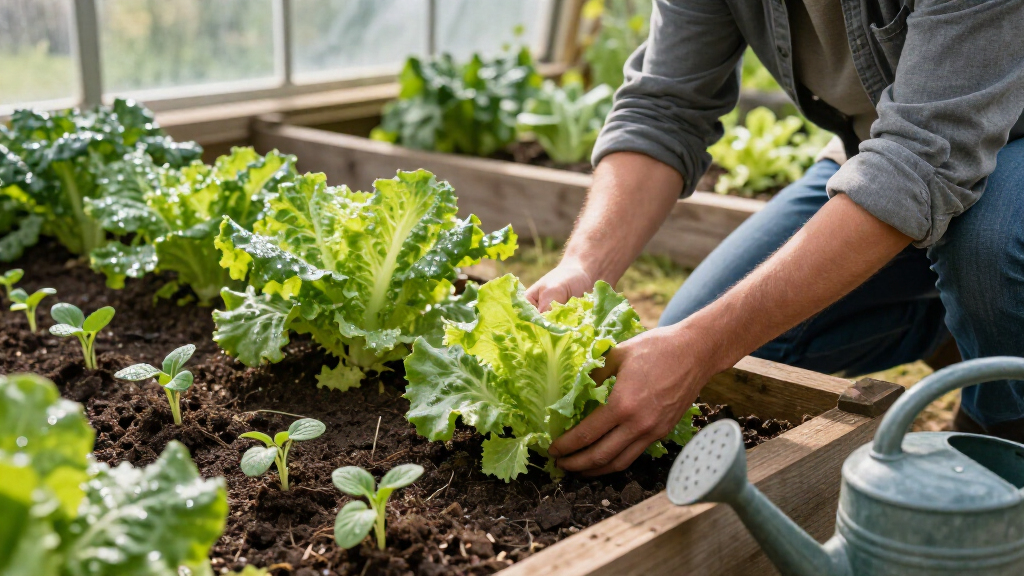
Buttercrunch, also called Buttercrunch Bibb, is an heirloom butterhead lettuce. The guide describes it as having thick outer leaves and a tender center of loosely folded leaves; a mature center rosette is about 6 inches across. Its mild, sweet leaves can be used in salads, wraps and on burgers.
The report recommends growing lettuce in cool conditions, with an ideal temperature range of 60 to 65 degrees Fahrenheit. For spring planting, seeds can be direct-sown three to four weeks before the last expected frost. Gardeners can also start seedlings indoors and transplant them later, protecting young plants if temperatures fall below freezing.
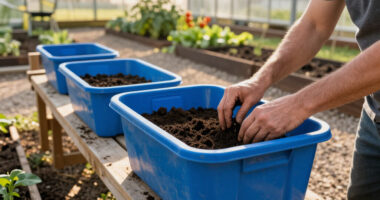
For mature plants, Savvy Gardening recommends transplanting seedlings 10 to 12 inches apart, in rows 16 inches apart. Direct-sown plants may need thinning as they grow. The guide advises preparing beds with compost or rotted manure and an organic vegetable fertilizer. Containers also work if they have drainage holes and are filled with potting mix and compost.
A Flexible Crop for Small Gardens
Buttercrunch’s relatively quick harvest window and ability to grow in garden beds or containers make it a practical option for people with limited space or those seeking fresh greens over more than one season. Gardeners can take baby leaves early or wait for fuller heads, giving them flexibility in how they use the crop.
Timing and water management affect both the harvest and leaf quality. Lettuce has shallow roots, and the guide says dry conditions can lead plants to bolt, or flower, which can affect flavor and eating quality. In hot weather, afternoon shade or shade cloth may help protect plants; in cold weather, row covers, a cold frame or a protected growing structure can extend the season.
For a more continuous supply, the report suggests sowing additional seeds every two to three weeks in spring. That staggered approach can spread harvests rather than producing one group of plants at the same time. The source does not provide yield estimates, so the amount harvested will depend on planting conditions and garden space.
As an affiliate, we earn on qualifying purchases.
Planting Across the Seasons
The guide presents Buttercrunch as a cool-season crop that can be grown beyond spring where plants receive suitable protection. In summer, it recommends choosing a site with shade from the afternoon sun or using shade cloth, while paying close attention to moisture. Drought stress, the report says, can contribute to bitter leaves and bolting.
For autumn harvests, the source advises sowing about six to eight weeks before the first expected fall frost, or transplanting seedlings five to six weeks before that date. Growth may slow as days shorten, so gardeners should allow more time. In winter, an unheated greenhouse, polytunnel, cold frame or covered hoop tunnel can provide shelter from frost.
These are general growing recommendations, not guarantees for every location. Local temperatures, daylight, soil and the timing of frost vary. The report does not give a region-specific planting calendar, so gardeners need to adapt dates to their own climate.
“Buttercrunch lettuce, also called Buttercrunch Bibb, is an heirloom variety”
— Savvy Gardening
Local Conditions Shape Harvests
The source offers general growing guidance but does not specify how results vary by climate, cultivar supplier, soil type or growing method. Its harvest estimates also use different starting points: 30 to 35 days from seeding for baby leaves and 55 to 60 days from seedlings for mature heads. Those figures should not be treated as a single directly comparable schedule.
The supplied excerpt ends before giving detailed instructions on harvesting mature heads or saving seeds, although the original guide’s introduction says it covers seed saving. It is therefore not possible from the provided material to verify the recommended cutting method, seed-maturity signs or storage steps. Gardeners should consult the full guide or other reliable local growing advice for those details.
Plan Sowing Around Weather
Gardeners can use local frost dates and expected temperatures to choose between direct sowing and starting seedlings indoors, then adjust protection as conditions change. The report recommends keeping the soil lightly damp, thinning or transplanting plants to the suggested spacing, and using shade in summer or covers when frost threatens.
For staggered harvests, the next practical step is to sow small batches at intervals during spring rather than planting all seeds at once. The source provides no new announcement or follow-up event; its guidance is a seasonal growing reference, and actual harvest timing will depend on local conditions.
Key Questions
How long does Buttercrunch lettuce take to grow?
According to Savvy Gardening, baby leaves may be ready about 30 to 35 days after sowing. Mature heads take roughly 55 to 60 days from seedlings, with timing affected by growing conditions.
When should I plant Buttercrunch lettuce?
The guide recommends spring sowing three to four weeks before the last expected frost. It also describes summer, autumn and winter growing with suitable shade or cold protection. Use local frost dates because planting calendars vary by region.
Can Buttercrunch lettuce grow in a pot?
Yes. The report says lettuce can grow in pots, planters, window boxes and fabric containers. Choose a container with drainage holes and use potting mix blended with compost and fertilizer.
How often should I water Buttercrunch lettuce?
The guide recommends checking the soil daily and watering to keep the growing medium lightly damp. Lettuce roots are shallow, and the source warns that drying out can encourage bolting and affect leaf quality.
How far apart should Buttercrunch plants be?
For mature plants, Savvy Gardening recommends spacing transplants 10 to 12 inches apart in rows 16 inches apart. Direct-sown plants can be thinned as they grow to reach that spacing.
Source: rss
Fall yard work Picks
leaf blowers
As an affiliate, we earn on qualifying purchases.