Candle soot and incense smoke release tiny particles, including fine PM2.5, that easily enter your lungs and bloodstream, risking respiratory and cardiovascular health. These pollutants come from incomplete combustion, especially with synthetic fragrances or certain waxes, and build up quickly in poorly ventilated rooms. Using candles and incense sparingly, improving ventilation, and choosing natural options can help reduce these hidden dangers. To discover more about protecting your indoor air, keep exploring this important issue.
Key Takeaways
- Candle soot and incense smoke release fine PM2.5 particles that can penetrate deep into lungs and bloodstream.
- These particles contain carbon, organic compounds, and chemicals from incomplete combustion.
- Types of candles and incense, especially synthetic or paraffin-based, increase indoor pollution levels.
- Burning candles and incense in poorly ventilated spaces elevates indoor air pollution and health risks.
- Using natural candles, proper ventilation, and air purifiers can reduce exposure to these fine particles.
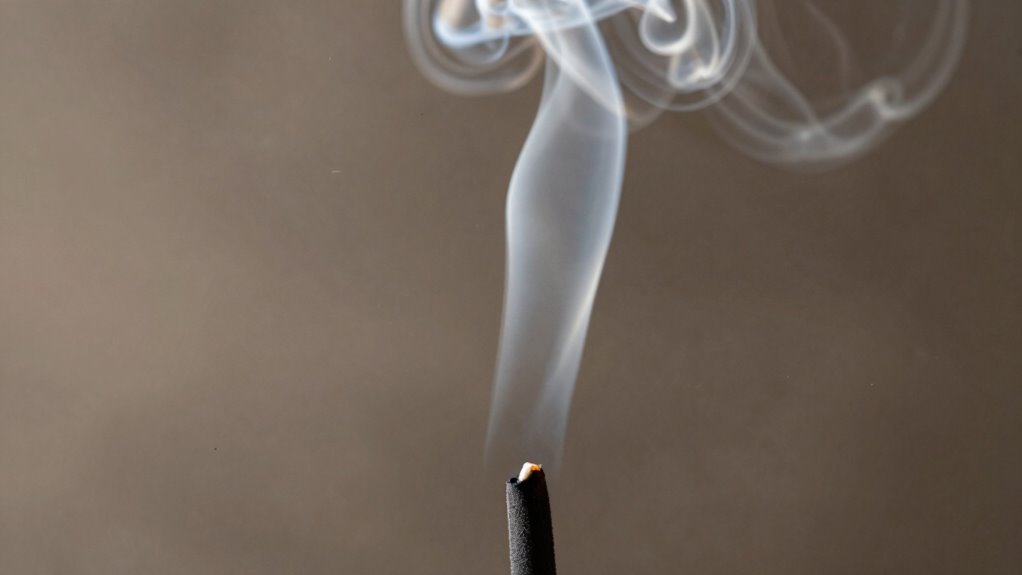
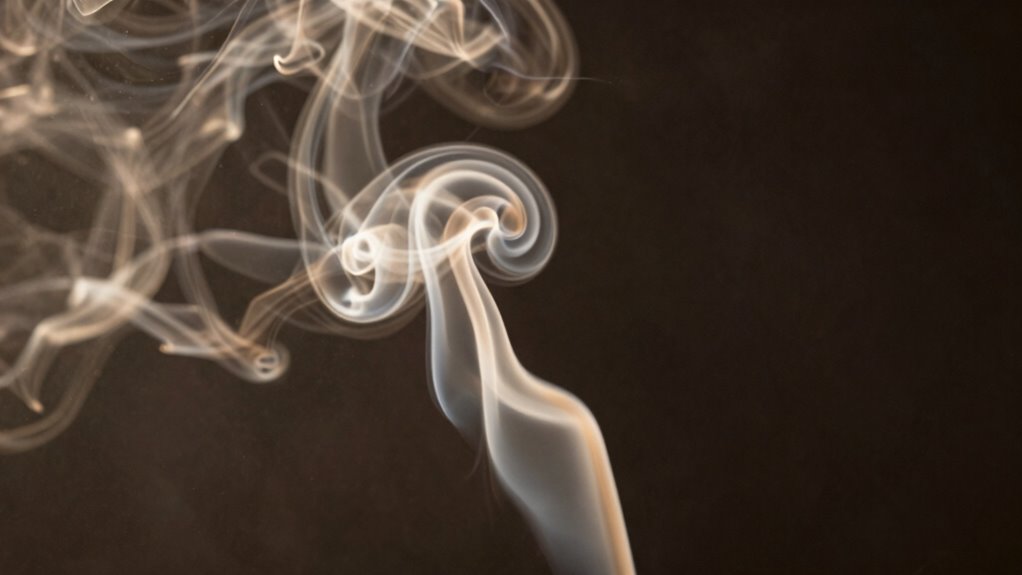
Candle soot and incense smoke contain a mixture of tiny particles, including carbon, organic compounds, and other chemicals. When burned, these materials produce combustion byproducts that don’t fully burn, resulting in fine particles known as PM2.5. These particles are small enough to penetrate deep into your lungs and even enter your bloodstream, posing health risks such as respiratory irritation, asthma exacerbation, and cardiovascular issues. Over time, continuous exposure to indoor pollution from candles and incense can accumulate, especially in poorly ventilated spaces. Additionally, the presence of these particles can contribute to indoor air pollution, which is a significant factor in overall health and well-being. It’s important to recognize that not all candles are created equal. Paraffin candles, in particular, tend to produce more soot and pollutants compared to beeswax or soy candles. The type of wax, along with the presence of synthetic fragrances, can influence the amount of particulate matter released during burning. Similarly, the ingredients used in incense, especially synthetic fragrances and resins, contribute to indoor pollution levels. Burning incense in a small, enclosed room without proper ventilation can dramatically raise the concentration of harmful particles in the air. To protect your indoor air quality, consider the frequency and duration of burning candles and incense. Using them sparingly and ensuring good ventilation can help reduce the buildup of indoor pollution. Opening windows, using exhaust fans, or running air purifiers with HEPA filters can markedly cut down the concentration of fine particles. Opt for candles made from natural waxes and unscented or naturally scented varieties to minimize emissions. For incense, choose high-quality, natural options and burn them in well-ventilated areas. Being mindful of how your habits affect indoor pollution empowers you to create a healthier environment. Even small changes—like burning candles for shorter periods or switching to cleaner-burning varieties—can have a positive impact on your air quality. Remember, the air you breathe indoors is just as important as the air outdoors, and reducing the presence of soot and smoke particles is an essential step toward a cleaner, safer home.
Frequently Asked Questions
How Do Different Types of Candles Vary in Soot Production?
You’ll notice that different candles vary in soot production based on wax formulas and wick materials. Comparing wax formulas, natural options like soy or beeswax tend to produce less soot than paraffin. Wick material effects also matter; cotton wicks usually create cleaner burns, while wood or metal-core wicks can generate more soot. Choosing candles with these factors in mind helps reduce indoor air pollution and minimizes fine particle emissions.
Are Certain Incense Ingredients More Harmful Than Others?
Think of incense ingredients as ingredients in a recipe—some add warmth, others risk bitterness. Herbal additives like sandalwood or lavender tend to be gentler, symbolizing peace and nature’s embrace. However, certain chemical contaminants lurk in cheaper or synthetic options, posing health risks. You should choose incense carefully, favoring natural blends, to avoid the harmful effects of chemical contaminants and enjoy the calming aroma without the hidden dangers.
Can Air Purifiers Effectively Remove Fine Particles From Candle and Incense Smoke?
Air purifiers can effectively remove fine particles from candle and incense smoke if they have high air purifier efficiency and advanced particle filtration technologies like HEPA filters. These filters capture the tiny soot and smoke particles, improving indoor air quality. To maximize their effectiveness, run the purifier continuously and guarantee proper room size matching. Choosing a purifier with proven filtration abilities helps keep your air cleaner and healthier.
What Are the Long-Term Health Effects of Exposure to Candle Soot?
Long-term exposure to candle soot can lead to lung inflammation and accelerate respiratory decline. You might notice persistent coughs, wheezing, or increased sensitivity to allergens. Over time, these effects can worsen, raising your risk for chronic respiratory diseases. To protect your health, consider reducing candle use or improving ventilation. Regularly cleaning your indoor air can also help minimize the impact of soot particles on your lungs.
How Can I Minimize Indoor Air Pollution From Candles and Incense?
Think of it as keeping the air clean as a whistle. To minimize indoor pollution, guarantee proper ventilation strategies like opening windows or using exhaust fans when lighting candles or incense. Opt for natural alternatives such as essential oils or herbal sachets instead of smoke-producing options. Regularly air out your space and choose candles made from beeswax or soy to reduce soot, making your home safer and fresher.
Conclusion
Did you know that burning candles and incense can release thousands of tiny particles into the air, comparable to those from vehicle emissions? These fine particles can pose health risks over time. So, next time you light a candle or incense, consider the hidden impact on your indoor air quality. Being aware of these sources helps you make smarter choices for a healthier home environment. Small changes can make a big difference in reducing your exposure.