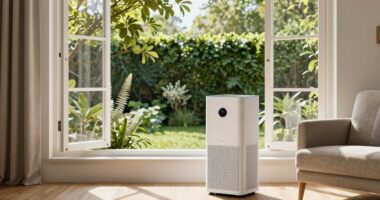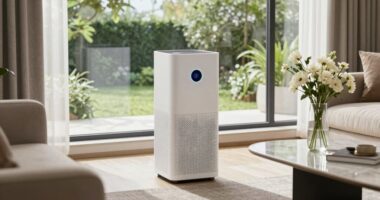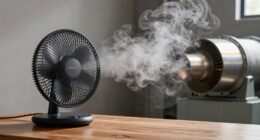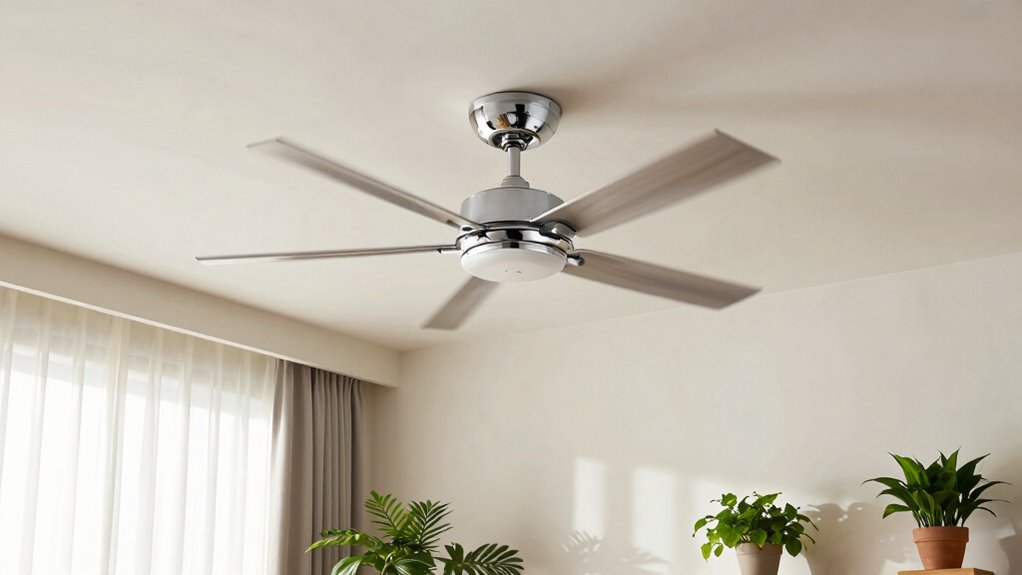

Using a ceiling fan can help improve your indoor air quality by promoting air circulation and preventing dust, allergens, and pollutants from settling. When cleaned regularly and combined with air filtration, fans help distribute cleaner air evenly throughout your space. They don’t spread contaminants on their own but work best as part of an overall air management strategy. Keep exploring to discover how proper fan use and maintenance can make your environment healthier.

Get garden gear delivered free — and shop member deals
- Fast, free delivery on millions of items
- Access to Prime Big Deal Days deals on October 6–7
- Prime Video, Amazon Music and more included
Key Takeaways
- Ceiling fans promote air circulation, helping distribute filtered air and prevent stagnant, dust-prone pockets.
- Regular cleaning of fan blades minimizes dust buildup and reduces the risk of stirring allergens.
- When combined with air filtration, fans support cleaner indoor air by enhancing particle movement and distribution.
- Fans do not inherently spread contaminants; proper maintenance ensures they contribute positively to air quality.
- Strategic use of fans, alongside cleaning and filtration, improves overall indoor air cleanliness and comfort.

Have you ever wondered whether a ceiling fan is really worth installing? It’s a common question, especially when you’re trying to keep your home clean and healthy. Ceiling fans are often seen as simple comfort tools, but they also influence air circulation — which can impact indoor air quality. When you turn on a ceiling fan, it moves the air around your room, helping to prevent stagnant pockets of air. This constant movement can be beneficial because it promotes better air circulation, which in turn reduces the chances of dust, allergens, and airborne pollutants settling in one place. Improved air circulation can make your environment feel fresher and more comfortable, especially during the hotter months when you rely on fans to cool down.
At the same time, many people are concerned about energy efficiency — and rightly so. Ceiling fans are known for being energy-efficient compared to air conditioning units, especially when used properly. They consume less electricity, which helps you save on utility bills and reduces your carbon footprint. When paired with an air conditioner, a ceiling fan can allow you to set your thermostat higher without sacrificing comfort, further enhancing energy efficiency. This means you get the benefits of a cooler, more comfortable space while using less power. That’s a win-win for your wallet and the environment.
But what about cleaner air? Some worry that fans might stir up dust or allergens, making indoor air quality worse rather than better. While it’s true that fans can pick up dust on blades if they aren’t cleaned regularly, they don’t inherently spread contaminants through the air. In fact, when used in conjunction with regular cleaning and air filtration, ceiling fans can help keep airborne particles in motion, preventing them from settling and accumulating in corners or on surfaces. This constant air movement may even assist in distributing filtered air more evenly throughout the room, indirectly supporting cleaner indoor air. Properly maintained fans, combined with air filtration systems, can further enhance the overall indoor air environment. Additionally, understanding indoor air quality can help you optimize your use of ceiling fans along with other purification methods to maintain healthier indoor environments.
ceiling fan with air purification
As an affiliate, we earn on qualifying purchases.
As an affiliate, we earn on qualifying purchases.
Frequently Asked Questions
Can Ceiling Fans Spread Airborne Viruses or Bacteria?
Ceiling fans can spread airborne viruses or bacteria if not properly maintained. Dirty fan blades can harbor germs, and when the fan operates, it may circulate airborne pathogen spread throughout the room. Regular fan blade maintenance, including cleaning and disinfecting, minimizes this risk. Keep your fan blades clean, especially during illness outbreaks, to reduce the chances of spreading airborne pathogens and guarantee better air quality in your space.
How Often Should Ceiling Fans Be Cleaned for Optimal Air Quality?
You should clean your ceiling fan at least once every two to four weeks to maintain ideal air quality. Regular dust accumulation can circulate allergens and bacteria, so consistent fan maintenance is essential. Turn off the fan, use a microfiber cloth or duster to remove dust from blades and motor housing, and consider vacuuming the vents. Proper cleaning prevents dust buildup, ensuring cleaner air and better indoor air quality.
Do Ceiling Fans Improve Indoor Air Circulation Effectively?
Your ceiling fan vastly improves indoor air circulation, transforming your space into a breeze-filled paradise. Its airflow efficiency guarantees fresh air spreads evenly, reducing stuffiness and stagnant pockets. While some models might produce noise levels that could bother you, choosing a quieter fan can make a big difference. Overall, a ceiling fan effectively enhances air movement, helping you breathe easier and maintain a more comfortable environment indoors.
Are Ceiling Fans Suitable for Allergy Sufferers?
Ceiling fans can be suitable for allergy sufferers if used properly. They circulate air, which may help reduce indoor allergens, but if not maintained, they could spread fan allergen spread and dust, worsening allergy symptoms. Regularly cleaning your ceiling fan and using high-efficiency filters in your HVAC system can minimize ceiling fan allergies and prevent fan allergen spread. Proper maintenance guarantees your ceiling fan remains a helpful tool for allergy relief.
Can Ceiling Fans Reduce the Need for Air Purifiers?
Yes, ceiling fans can reduce the need for air purifiers by improving airflow and circulation, which helps disperse airborne particles. They’re energy-efficient and add aesthetic appeal to your space, making rooms feel cooler without extra costs. However, they don’t filter pollutants as air purifiers do, so for allergy sufferers or high pollution areas, combining both might be the best approach for cleaner air and improved comfort.
Conclusion
So, does your ceiling fan help or hurt cleaner air? The truth is, it depends. When used correctly, a fan can improve air circulation and reduce indoor pollutants. But if it stirs up dust or allergens, it might do more harm than good. Ultimately, it’s about balance—keep your fan clean, use it wisely, and enjoy the fresh, healthy air it can help create. The choice is yours—make it a smart one.
Fall yard work Picks
leaf blowers
As an affiliate, we earn on qualifying purchases.