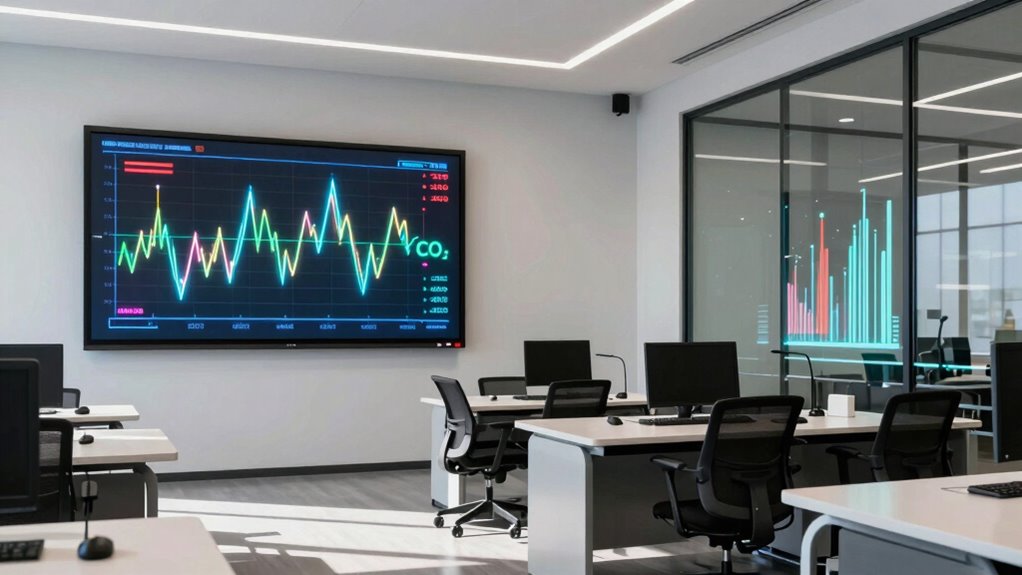

By monitoring CO2 trends, you can identify when indoor air quality drops and ventilation needs adjusting. This helps you take proactive steps, like opening windows or increasing ventilation, to maintain a healthier environment. Recognizing patterns in CO2 levels also guides better system placement and maintenance. Consistently tracking this data keeps your space comfortable and safe. If you want to understand how to optimize these insights, keep exploring the benefits of CO2 monitoring.
Key Takeaways
- CO2 trends reveal ventilation effectiveness and highlight areas needing improved airflow.
- Elevated CO2 levels indicate when to increase ventilation or open windows for better air quality.
- Monitoring helps optimize system settings and prevent health issues related to poor indoor air quality.
- Data-driven insights support proactive maintenance and timely system upgrades.
- Consistent tracking encourages occupant awareness and promotes healthy ventilation habits.

As CO2 levels in indoor spaces rise, classrooms and offices are increasingly using these trends to improve air quality and comfort. Monitoring CO2 concentrations provides valuable insights into how well the indoor environment is ventilated. When CO2 levels climb, it’s a clear sign that the space isn’t getting enough fresh air, which can lead to decreased concentration, fatigue, and even health issues. Recognizing this, you can implement targeted ventilation strategies that respond directly to these measurements, guaranteeing air quality stays ideal.
One key lesson from CO2 trends is that static ventilation systems often aren’t enough. Instead, you should consider adaptive ventilation strategies that adjust based on real-time data. For example, using sensors to continuously monitor CO2 levels allows you to activate or increase ventilation when thresholds are exceeded. This dynamic approach helps maintain healthy indoor air quality without wasting energy when spaces are less occupied. It’s a smarter way to manage airflow, especially in environments with fluctuating occupancy like classrooms or open-plan offices.
Another insight is that proper placement of ventilation outlets and inlets is critical. When you understand the patterns of CO2 buildup, you can optimize the positioning of vents to promote more effective air exchange. For instance, placing air intakes near areas prone to higher CO2 concentrations or adjusting exhaust vents to capture stale air can drastically improve overall air quality. These strategies ensure that fresh air circulates efficiently, reducing pockets of stale air and minimizing health risks. indoor air quality monitoring can help identify these problem areas more precisely. Additionally, understanding ventilation efficiency can guide the design of more effective airflow systems tailored to specific spaces. Incorporating proper maintenance practices further ensures that ventilation systems operate at peak performance and continue to support healthy indoor environments. Regularly evaluating sensor calibration is also essential to maintain accurate monitoring data.
You also learn that occupant behavior influences indoor air quality. Simple actions, such as opening windows during breaks or adjusting air conditioning settings, can have a noticeable impact when guided by CO2 data. Educating building users about the importance of ventilation and encouraging proactive behaviors can supplement mechanical systems, creating a healthier environment. This collaborative approach makes it easier to maintain consistent air quality, especially during peak occupancy times.
Finally, the trends in CO2 levels highlight the importance of regular maintenance and system checks. If sensors or ventilation equipment aren’t functioning properly, indoor air quality can deteriorate unnoticed. Using CO2 data, you can identify issues early and perform timely maintenance, preventing long-term problems. This proactive stance ensures that ventilation strategies remain effective and that spaces stay comfortable and healthy for everyone inside. Proactive maintenance is essential to sustain the benefits of modern ventilation systems.
In addition, understanding the role of indoor air quality monitoring can empower facilities managers to make data-driven decisions that enhance overall ventilation efficiency and occupant well-being.
In essence, understanding and responding to CO2 trends teach you that effective indoor air quality management hinges on real-time monitoring, adaptable ventilation, strategic system design, occupant engagement, and diligent maintenance. Embracing these lessons leads to healthier, more productive classrooms and offices.
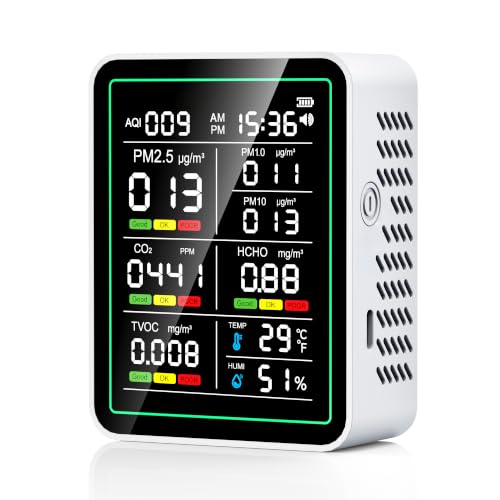
ZEMEOLLO Air Quality Monitor Indoor, 10-in 1 Smart Air Quality Tester
- 10-in-1 Multi-Gas Detection: Monitors CO₂, HCHO, TVOC, Benzene, Particulates
- HD Color Display with Visual Data: Real-time data with color-coded alerts
- Intelligent Environmental Assessment: Automatic safety threshold alerts and reports
As an affiliate, we earn on qualifying purchases.
As an affiliate, we earn on qualifying purchases.
Frequently Asked Questions
How Accurate Are CO2 Sensors for Indoor Air Quality?
CO2 sensors are generally accurate for indoor air quality when properly calibrated. Regular sensor calibration guarantees data accuracy, helping you trust the readings. Keep in mind that low-quality sensors may drift over time, reducing reliability. To maintain accuracy, check calibration periodically and replace sensors as needed. With well-maintained sensors, you can confidently monitor indoor air quality and make informed decisions to improve ventilation and comfort.
Can CO2 Trends Predict Future Ventilation Needs?
Yes, CO2 trends can help you predict future ventilation needs. By monitoring CO2 levels over time, you increase your air quality awareness and can improve ventilation accordingly. This proactive approach ensures better air circulation and healthier indoor environments. Regular analysis of CO2 data allows you to anticipate when ventilation adjustments are needed, preventing discomfort and maintaining ideal air quality for everyone inside.
What Are Cost-Effective Ways to Monitor CO2 Levels?
Did you know that affordable CO2 sensors can cost as little as $50? You can effectively monitor CO2 levels by integrating these sensors with building automation systems, ensuring ideal air quality. This approach not only keeps occupants comfortable and healthy but also boosts energy efficiency by adjusting ventilation based on real-time data. Investing in cost-effective CO2 monitoring helps you maintain a healthier environment without breaking the bank.
How Do Seasonal Changes Affect Indoor CO2 Concentrations?
Seasonal changes impact indoor CO2 levels by affecting ventilation needs. In winter, reduced seasonal ventilation can cause CO2 to rise indoors, while in summer, increased airflow helps lower concentrations. Incorporate plant-based filtration to naturally improve air quality year-round. During colder months, boost ventilation when weather permits, and in warmer seasons, leverage natural airflow. These strategies help maintain healthy indoor CO2 levels despite seasonal fluctuations.
Are There Health Risks From Fluctuating CO2 Levels?
Yes, fluctuating CO2 levels can pose health risks by contributing to indoor pollution, leading to headaches, fatigue, or dizziness. Poor ventilation standards often worsen these effects, especially in crowded spaces like classrooms and offices. To minimize risks, guarantee proper ventilation, monitor indoor air quality regularly, and maintain CO2 levels within recommended limits. This proactive approach helps protect your health and improves overall indoor comfort.
Conclusion
By paying close attention to CO2 trends, you can turn your classroom or office into a refreshing change—literally. Just like a weather vane points the way, CO2 levels guide you to better ventilation and healthier spaces. When you listen to these invisible signals, you’re steering your environment toward comfort and safety. So, keep an eye on those CO2 trends—they’re the compass guiding you to a more vibrant, inviting space.