Combining air purification with in-duct UV lamps offers a powerful way to improve indoor air quality. While filters like HEPA trap larger particles, UV lamps actively kill bacteria, viruses, and mold spores that pass through or survive filters. This dual approach creates a safer, cleaner environment in your home or workplace, reducing health risks and preventing microbial buildup in your HVAC system. Keep exploring to discover how this system can benefit your space even more.

Get garden gear delivered free — and shop member deals
- Fast, free delivery on millions of items
- Access to Prime Big Deal Days deals on October 6–7
- Prime Video, Amazon Music and more included
Key Takeaways
- Combining filters with UV lamps provides a comprehensive approach to removing both particulate matter and microorganisms.
- UV sterilization destroys bacteria, viruses, and mold spores that pass through or survive traditional air filters.
- Installing both enhances indoor air quality, reducing airborne illnesses and microbial growth in HVAC systems.
- The dual system extends HVAC lifespan by preventing microbial buildup and duct contamination.
- This integrated method offers a proactive, maintenance-friendly solution for healthier, cleaner indoor environments.
Air purification has become an essential part of maintaining healthy indoor environments, especially as concerns about airborne contaminants grow. When you invest in a reliable air filtration system, you’re actively working to reduce dust, pollen, pet dander, and other particles that can compromise air quality. But to truly maximize the effectiveness of your indoor air management, integrating UV sterilization with your existing air filtration can make a significant difference. In particular, in-duct UV lamps can target germs, bacteria, and viruses that typical filters might miss, providing a more exhaustive approach to air cleaning.
UV sterilization uses ultraviolet light to neutralize harmful microorganisms. When installed within your HVAC system, these UV lamps irradiate the air as it circulates through the ducts. This process destroys the DNA or RNA of bacteria, viruses, and mold spores, rendering them inactive and preventing them from reproducing. Unlike traditional filters that trap particles, UV sterilization actively kills or deactivates many pathogens in the air, improving overall indoor safety. By combining UV sterilization with your air filtration system, you’re not just capturing particles—you’re also destroying the microscopic threats that could otherwise circulate continuously.
UV sterilization destroys bacteria, viruses, and mold spores by damaging their DNA or RNA, enhancing indoor air safety.
In-duct UV lamps work synergistically with your existing filtration setup. While filters, such as HEPA or MERV-rated filters, excel at capturing larger particles, they might not eliminate all microorganisms or prevent mold growth within the ducts. UV sterilization complements this by targeting the microorganisms that pass through or survive filtration. This dual approach reduces the risk of airborne illnesses and inhibits mold growth, which can cause allergic reactions and damage to your HVAC system. As a result, you enjoy cleaner, healthier air with less maintenance and fewer concerns about microbial buildup within the ducts.
Moreover, integrating UV sterilization into your HVAC system is a practical choice because it requires minimal ongoing effort. The UV lamps need periodic replacement, but they operate silently and don’t produce harmful emissions. When you combine this with effective air filtration, you create a multi-layered defense against indoor air pollutants. This not only improves air quality but also extends the lifespan of your HVAC equipment by preventing mold and microbial growth inside the ducts. It’s an investment that enhances health, efficiency, and comfort all at once.
In the end, the combination of air filtration and UV sterilization provides a smarter, more thorough approach to indoor air quality. You’re actively reducing airborne contaminants and microorganisms, creating a safer, fresher environment for your home or workspace. By choosing to incorporate in-duct UV lamps into your system, you’re taking a proactive step toward healthier indoor air, ensuring you breathe easier every day.
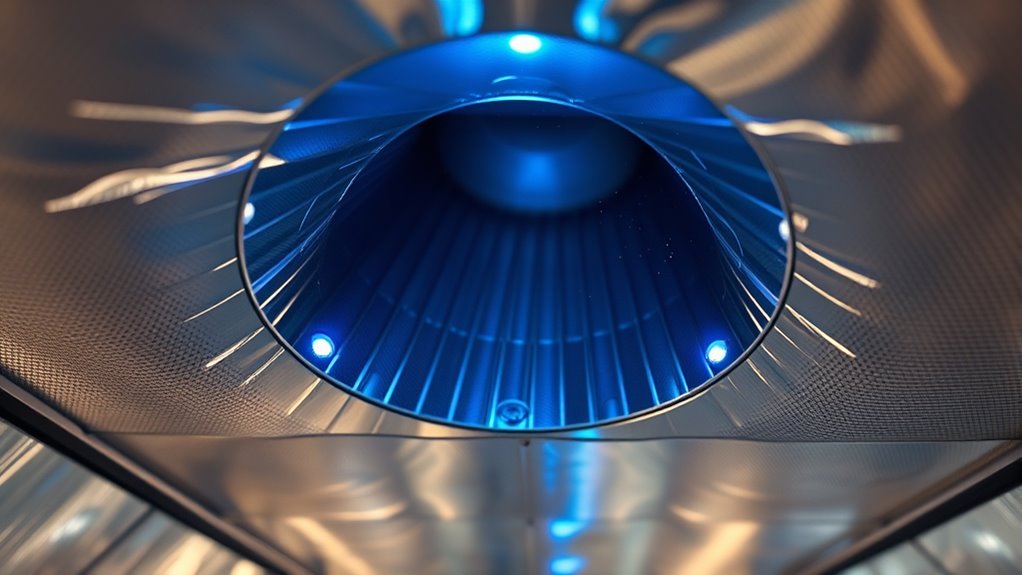
In-duct UV air sterilization lamp
As an affiliate, we earn on qualifying purchases.
As an affiliate, we earn on qualifying purchases.
Frequently Asked Questions
How Do UV Lamps Affect HVAC Energy Consumption?
UV lamps can slightly increase your HVAC system’s energy consumption because they require power to operate. However, they often improve energy efficiency by reducing mold, bacteria, and other contaminants that hinder airflow and system performance. Keep in mind, UV lamps may raise maintenance costs due to replacement needs, but their benefits in air quality and system longevity can outweigh these expenses. Properly maintained, UV lamps help your system run smoothly and efficiently.
Are There Safety Concerns With UV Lamp Installation?
You should be aware that UV safety is important when installing UV lamps, as direct exposure can harm your eyes and skin. Always handle lamps carefully, wearing protective gear during installation and maintenance. Make certain the UV lamps are properly sealed within the duct system to prevent exposure. Following manufacturer instructions and safety guidelines minimizes risks, keeping you safe while enjoying cleaner air with effective UV sanitation.
How Often Should UV Lamps Be Replaced?
Imagine your UV lamp shining brightly, quietly working to purify your air. Typically, the UV lamp lifespan is around 9 to 12 months, but this can vary based on usage and manufacturer guidelines. To maintain ideal air quality, follow a regular replacement schedule, usually annually. Keep an eye on the lamp’s performance and replace it when it dims or shows signs of wear, ensuring continuous, safe purification.
Can UV Lamps Eliminate All Airborne Viruses?
UV germicidal lamps can considerably reduce airborne pathogens, but they can’t eliminate all viruses completely. You might notice a decrease in airborne viruses, but some stubborn or shielded pathogens could still survive. For maximum protection, combine UV germicidal technology with other air purification methods like HEPA filters. Regular maintenance and timely replacement of UV lamps also guarantee they work effectively, helping you breathe cleaner, safer air.
Do UV Lamps Impact Indoor Air Quality Directly?
You might think UV lamps turn your indoor air into a sterile zone, but they actually don’t impact air quality directly. While UV effectiveness helps reduce germs and viruses, it’s just one piece of the puzzle. Your air quality depends on proper filtration and ventilation too. So, don’t rely solely on UV lamps—combine them with other systems to truly improve your indoor environment.
Conclusion
By combining air purification with in-duct UV lamps, you create a cleaner, healthier environment indoors. This innovative approach targets airborne pollutants and kills germs right where they circulate, offering peace of mind and improved air quality. Isn’t it time you took proactive steps to protect your home or workspace? With these combined systems, you can breathe easier knowing you’re reducing harmful pathogens and enhancing overall air freshness effortlessly. Why settle for less when better air is within your reach?
Fall Picks
fall essentials
As an affiliate, we earn on qualifying purchases.