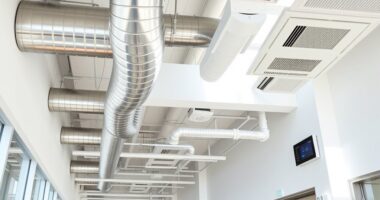
Duct leaks can pull dirty air from hidden spaces like attics, crawl spaces, or behind walls, allowing contaminants such as mold spores, pet dander, and dust to bypass filters and circulate in your home. These leaks create entry points for pollutants that you might never see or check, reducing indoor air quality and potentially causing health issues. To protect your home and health, it’s important to understand how these leaks operate and how to detect them.

Get garden gear delivered free — and shop member deals
- Fast, free delivery on millions of items
- Access to Prime Big Deal Days deals on October 6–7
- Prime Video, Amazon Music and more included
Key Takeaways
- Duct leaks allow contaminated air from attics, crawl spaces, or wall cavities to enter the HVAC system.
- Leaks create entry points for dust, mold spores, pet dander, and other pollutants from hidden spaces.
- Unsealed ducts enable dirty air to bypass filters and circulate throughout living areas.
- Hidden leaks often occur behind walls or above ceilings, making them difficult to detect visually.
- These leaks introduce pollutants from unconditioned areas, reducing indoor air quality and health safety.
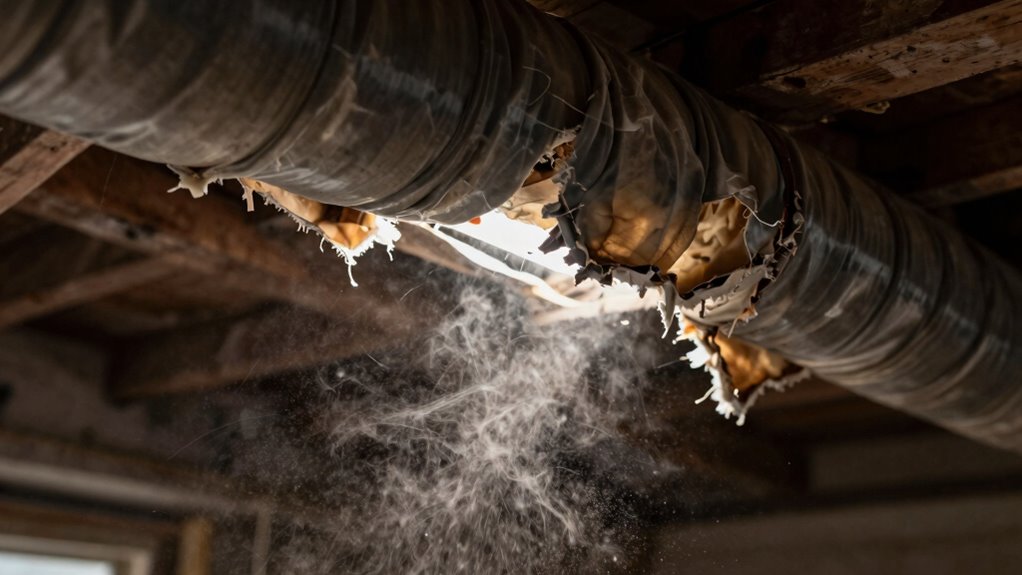
Duct leaks can significantly compromise your indoor air quality, allowing dust, mold, and other pollutants to circulate freely throughout your home. When your ductwork isn’t sealed properly, these leaks become entry points for dirty air from places you might not even consider, such as attics, crawl spaces, or wall cavities. As a result, the air you breathe inside your home becomes contaminated with unseen particles, reducing overall air quality and potentially impacting your health.
One major effect of duct leaks is their interference with air filtration. Instead of filtering air through your HVAC system’s filters, leaks allow dirty air from unconditioned or contaminated spaces to bypass the filtration process altogether. This means that pollutants like mold spores, pet dander, and dust mites can enter your living areas unchecked. Over time, this buildup can contribute to allergies, asthma, or respiratory issues, especially if your home’s ventilation isn’t efficient enough to exchange stale, polluted air for fresh, filtered air.
Duct leaks allow unfiltered, contaminated air to bypass your HVAC system, risking allergies and respiratory issues.
Ventilation efficiency takes a hit when duct leaks are present. Your HVAC system is designed to circulate and exchange air, maintaining a healthy indoor environment. But leaks create a constant escape route for conditioned air, forcing your system to work harder to maintain temperature and humidity levels. This inefficiency not only increases energy bills but also hampers the overall airflow within your home. Instead of directing air where it’s needed, leaks cause uneven distribution, leaving some rooms poorly ventilated and others overly pressurized. Regular duct inspections can help identify these hidden issues before they cause more significant problems, ensuring your home maintains optimal indoor air quality. Additionally, addressing these leaks can also help improve your home’s energy efficiency, saving you money in the long run.
The trouble with duct leaks extends beyond just comfort and efficiency; they can also be hard to detect. You might not notice the problem until you see a spike in your energy bills or start experiencing allergy symptoms. Common signs include inconsistent temperatures across rooms, excessive dust buildup, or a musty smell lingering in certain areas. Because leaks often occur in hidden spaces—like behind walls or above ceilings—you might not realize their existence without a thorough inspection. Performing regular maintenance and testing is essential to uncover these issues early on. Proper sealing and insulating of ductwork is essential to prevent outdoor pollutants from entering and to improve both air filtration and ventilation efficiency. Regular inspections and maintenance are key to keeping your home’s indoor air clean, safe, and fresh, all while ensuring your HVAC system runs smoothly and efficiently. Additionally, using advanced detection methods can help locate leaks more accurately, preventing costly repairs later.
As an affiliate, we earn on qualifying purchases.
Frequently Asked Questions
How Can I Identify Hidden Duct Leaks in My Home?
To identify hidden duct leaks, start with leak detection methods like using a smoke pencil or a thermal camera to spot airflow irregularities. You can also listen for hissing sounds or check for dust buildup around seams. Once found, focus on duct sealing to prevent dirty air from pulling in. Regularly inspecting and sealing leaks helps improve indoor air quality and HVAC efficiency.
Do Duct Leaks Affect Indoor Humidity Levels?
Yes, duct leaks can impact indoor humidity levels. When your ducts leak, they can pull in moist or dry air from unintended areas, disrupting moisture control. This affects air quality by creating excessive humidity or dryness, leading to mold growth or dry skin. Sealing leaks guarantees proper moisture balance, improves air quality, and maintains a comfortable indoor environment. Regular inspections help you keep humidity levels steady and your home healthier.
Can Duct Leaks Cause Mold Growth?
You bet duct leaks can cause mold growth. When leaks let in moisture intrusion, they compromise your air quality and create a breeding ground for mold. The moisture trapped in ductwork encourages mold spores to settle and grow, especially in hidden spots. Don’t let this problem slip through the cracks—inspect and seal your ducts to keep moisture out and protect your home’s health. Ignoring it only makes matters worse.
Are Duct Leaks Common in New Construction Homes?
Duct leaks are quite common in new construction homes. When you don’t have proper duct sealing, it allows unfiltered, dirty air to escape and pull in dust, mold spores, and other contaminants from hidden areas. This can compromise air filtration and indoor air quality. To prevent this, guarantee your ducts are well sealed, and consider upgrading your air filtration system. Regular inspections can catch leaks early and improve your home’s air health.
How Often Should Duct Systems Be Inspected for Leaks?
You should inspect your duct system annually to prevent leaks. Over time, even durable air duct materials can develop leaks, reducing efficiency and pulling in dirty air. Using proper sealing techniques, like mastic or foil tape, helps keep your home healthy. Regular inspections catch leaks early, saving energy and improving indoor air quality. Don’t wait until problems worsen—annual checks ensure your duct system stays sealed and performs at its best.
Conclusion
So, next time you ignore those sneaky duct leaks, remember they’re secretly inviting in the “fresh” air from behind your fridge or dusty attic. Who needs a clean home when you can have a surprise party of dirt and allergens every time your HVAC kicks on? Consider sealing those leaks—unless you’re aiming for a lifetime supply of dust bunnies and mystery odors. Your lungs will thank you, and your home might just smell a little less “adventure.”
Fall yard work Picks
leaf blowers
As an affiliate, we earn on qualifying purchases.