Cooking smoke is typically the biggest indoor air event of the day because it releases harmful particles and gases that can cause discomfort and health issues over time. Activities like frying or grilling produce more fumes than boiling or steaming. Using exhaust fans, opening windows, and choosing gentler cooking methods can help reduce these pollutants. To learn how to keep your indoor air safe and healthy during cooking, keep exploring these strategies.

Get garden gear delivered free with Prime
- Fast, free delivery on millions of items
- Prime Video, Amazon Music and more included
- Member-only deals all year
Key Takeaways
- Cooking releases fumes and smoke that significantly impact indoor air quality during daily activities.
- High-heat cooking methods produce more smoke, making cooking the largest indoor air pollution source.
- Proper ventilation, such as range hoods and open windows, is essential to reduce smoke buildup.
- Without effective airflow, cooking fumes can cause immediate discomfort and long-term health issues.
- Managing cooking smoke is crucial for maintaining a healthy indoor environment and overall air quality.
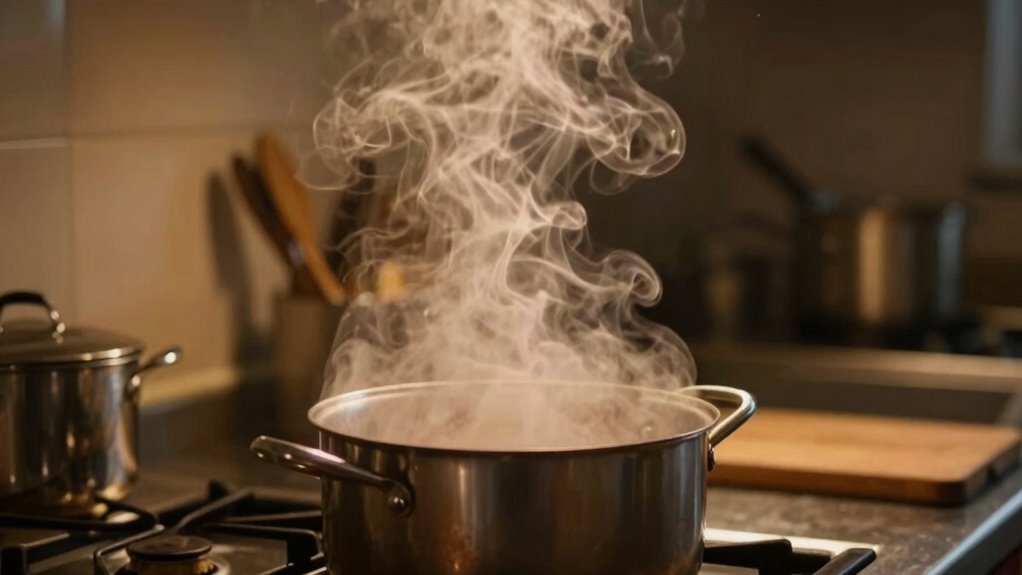
For many households, the daily ritual of cooking often creates the most important spike in indoor air pollution. Every time you turn on the stove or oven, fumes and smoke are released into your home’s air, impacting your indoor air quality more than you might realize. The particles and gases generated during cooking can cause immediate discomfort, such as eye irritation, coughing, or headaches, and long-term exposure may contribute to respiratory issues or other health problems. This makes understanding how to manage cooking smoke essential for maintaining a healthier indoor environment.
One of the most effective ways you can reduce the impact of cooking smoke is by improving ventilation in your kitchen. Ventilation improvements are key because they help to remove airborne pollutants before they settle into your living space. Installing or upgrading exhaust fans, range hoods, or simply ensuring that windows are open during and after cooking can greatly diminish the concentration of harmful particles. When you turn on a vent fan, it pulls smoke, steam, and fumes out of the air, preventing them from lingering and spreading throughout your home. The key is to use these ventilation tools consistently and to make sure they are functioning properly—clean filters and unobstructed airflow are essential. Additionally, proper ventilation significantly reduces indoor air pollutants, contributing to a safer living environment.
Using effective ventilation measures can also help prevent the buildup of moisture and odors that can promote mold growth and lingering smells, further enhancing overall indoor air quality.
In addition to mechanical ventilation, you can boost indoor air quality by adding natural sources of fresh air. Opening windows or doors during cooking allows fresh outdoor air to dilute indoor pollutants, reducing the overall concentration of smoke and fumes. If your kitchen is poorly ventilated, consider installing additional vents or even an air purifier equipped with a HEPA filter. Such devices can catch tiny particles that ventilation alone might miss, further improving the air you breathe. Proper air exchange with outside air is also crucial in maintaining a balanced indoor environment. Improving ventilation efficiency ensures that air is exchanged quickly and effectively, reducing lingering pollutants.
Furthermore, choosing cooking methods that produce less smoke, such as steaming or boiling, can make a significant difference in indoor air quality.
Remember that the type of cooking also influences indoor air quality. Frying, grilling, or using strong spices can produce more smoke than boiling or steaming. Being mindful of the cooking methods you use and avoiding high-heat cooking when possible can help minimize smoke production. Also, using lids on pots and pans can contain some fumes, reducing the amount that escapes into your indoor air.
Ultimately, prioritizing ventilation improvements in your kitchen isn’t just about comfort; it’s a critical step toward safeguarding your health. By actively managing how air flows during cooking, you can considerably cut down on indoor air pollution, ensuring that your home remains a safe, healthy space for you and your family.
kitchen range hood with adjustable fan
As an affiliate, we earn on qualifying purchases.
As an affiliate, we earn on qualifying purchases.
Frequently Asked Questions
How Can I Reduce Indoor Cooking Smoke Effectively?
To reduce indoor cooking smoke effectively, use cooking techniques that produce less smoke, like simmering or using lower heat. Always turn on your smoke detectors before cooking, and guarantee they’re functioning properly. Ventilate the area by opening windows or using exhaust fans to help clear smoke quickly. Regularly clean your stove and range hood filters to minimize smoke production, and consider using a portable air purifier for extra air quality improvement.
Are There Specific Appliances That Produce More Indoor Smoke?
Yes, certain appliances produce more indoor smoke, especially traditional cooking stoves like gas stoves. Gas stoves emit more combustion byproducts, increasing indoor smoke levels. To reduce this, make sure your smoke detectors are working properly and consider using an exhaust fan or range hood while cooking. Switching to electric stoves can also lower smoke emissions, helping keep your indoor air cleaner and safer.
What Are the Health Risks Associated With Indoor Cooking Smoke?
Cooking fumes can be a silent storm inside your home, risking your health with every breath. Breathing in these pollutants may cause respiratory issues, worsen asthma, and increase heart disease risk. Long-term exposure can lead to chronic illnesses. To protect yourself, make certain good ventilation and use air purification systems, which help clear the airborne toxins. Stay vigilant—your lungs deserve cleaner, fresher air after every meal.
How Does Ventilation Impact Indoor Air Quality During Cooking?
Good ventilation greatly improves indoor air quality during cooking by promoting air circulation, which helps disperse smoke, odors, and airborne pollutants. When you use exhaust fans or open windows, you create a steady flow that pulls harmful particles out and replaces contaminated air with fresh air. This process reduces your exposure to irritants and odor buildup, making your kitchen safer and more comfortable for everyone.
Can Indoor Cooking Smoke Affect Individuals With Respiratory Issues?
Yes, indoor cooking smoke can considerably affect individuals with respiratory issues. The smoke causes airway irritation, making breathing uncomfortable or difficult. It also acts as an asthma trigger, potentially leading to asthma attacks or worsened symptoms. To protect yourself, guarantee proper ventilation, use exhaust fans, and consider cooking methods that produce less smoke. Staying aware of these factors helps you manage your respiratory health better during cooking.
Conclusion
Remember, a little caution goes a long way—”An ounce of prevention is worth a pound of cure.” By being mindful of cooking smoke and ensuring good ventilation, you can greatly improve your indoor air quality. Don’t let cooking fumes be the biggest indoor air event of your day; instead, take simple steps to breathe easier and create a healthier home. After all, your well-being is worth the effort!
Halloween Picks
halloween
As an affiliate, we earn on qualifying purchases.