When choosing between dust extractors and shop vacs, focus on their filter setups to protect your lungs. Dust extractors with HEPA filters trap tiny allergens, bacteria, and fine dust, providing cleaner air and reducing health risks. Shop vacs usually lack this advanced filtering, meaning more airborne particles escape. Investing in a dust extractor with a HEPA system makes a big difference for your health. Keep going to uncover more insights on selecting the right filtration for your workspace.
Key Takeaways
- HEPA filters in dust extractors trap tiny particles and allergens, significantly improving air quality and lung health.
- Shop vac filters generally lack HEPA filtration, allowing smaller dust particles to remain airborne and pose health risks.
- Easy access and regular maintenance of HEPA filters in dust extractors help ensure consistent, safe filtration and cleaner air.
- Dust extractors with superior filter setups reduce airborne dust more effectively than shop vacs, protecting respiratory health.
- Choosing a dust extractor with proper HEPA filtration and easy filter maintenance directly supports lung safety during prolonged use.
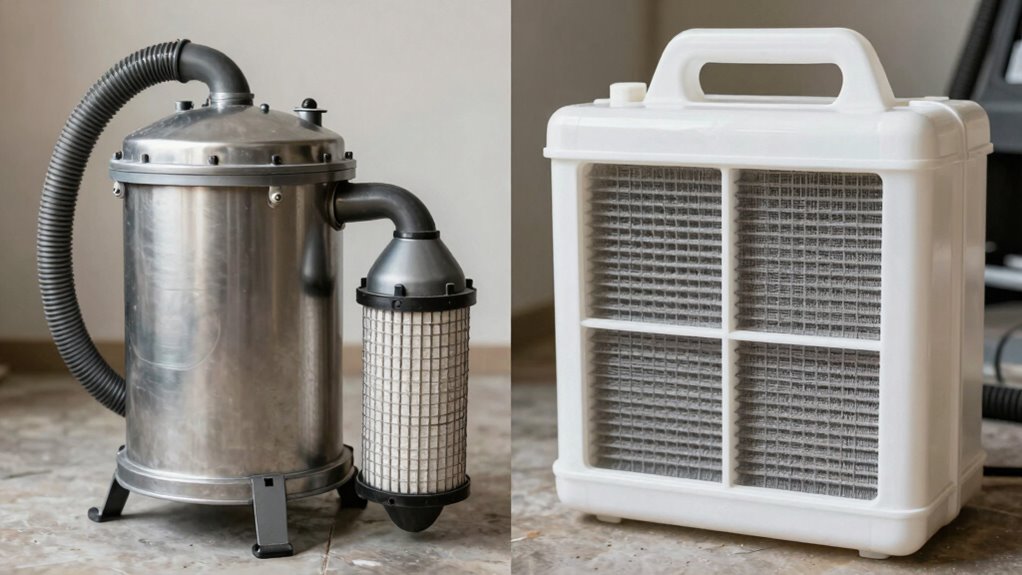
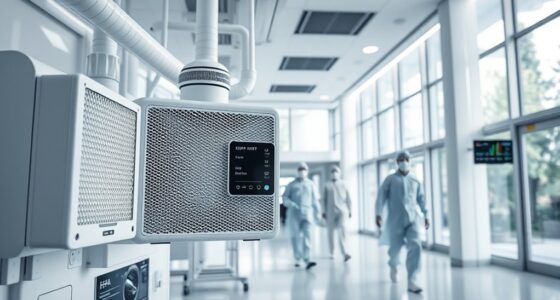
When choosing between dust extractors and shop vacs, understanding their differences can help you make an informed decision for your workspace. One key factor to consider is the filtration system, especially HEPA filtration. HEPA filters are designed to trap tiny particles, including fine dust, allergens, and even bacteria, preventing them from recirculating into the air. Dust extractors often feature HEPA filtration as a standard or optional upgrade, making them ideal for environments where air quality is a top priority. Shop vacs, on the other hand, typically rely on standard filters that may not capture the smallest particles effectively. If you work with hazardous materials or want to protect your lungs from fine dust, opting for a dust extractor with HEPA filtration ensures cleaner air and reduces health risks.
Dust extractors with HEPA filters provide cleaner air and better protection against hazardous particles.
Another important aspect to evaluate is noise levels. Dust extractors tend to operate more quietly compared to shop vacs, which are often louder due to their powerful motors designed for heavy-duty cleanup. Excessive noise can be disruptive, especially if you work long hours or in shared spaces. A dust extractor with sound-dampening features or lower decibel ratings can make a significant difference in your comfort and concentration. Conversely, shop vacs might be more suitable for quick, less frequent jobs where noise isn’t a major concern. However, if you’re sensitive to loud sounds or need a quieter environment, paying attention to noise levels becomes essential when choosing your equipment.
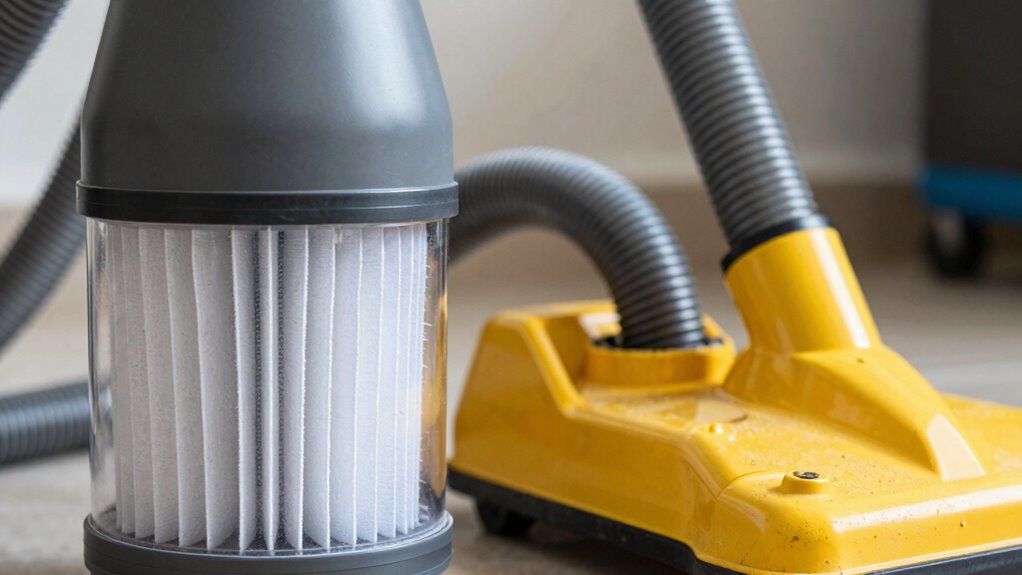
The setup of the filter system also plays a role in your decision. Dust extractors often have more advanced and customizable filtration setups, allowing you to replace HEPA filters easily and maintain perfect performance. This setup not only improves air quality but also extends the lifespan of the machine. Shop vacs usually have simpler filter arrangements that may require more frequent replacements, especially when dealing with fine dust or hazardous debris. Additionally, dust extractors are designed to handle larger volumes of dust and debris more efficiently, making them better suited for prolonged or industrial use, while shop vacs excel at quick cleanups around a workshop or garage.
Furthermore, filter maintenance is crucial for sustained performance and health safety, so choosing a system with easy access and replacement options can save time and effort. Ultimately, your choice depends on your specific needs. If your priority is maintaining a healthy workspace with minimal airborne particles and quieter operation, a dust extractor with HEPA filtration and lower noise levels is the smarter choice. If you need a versatile tool that can handle a variety of messes quickly and don’t mind the noise, a shop vac might suffice. Paying attention to these factors ensures you pick the right equipment that protects your lungs and enhances your workspace efficiency.
Frequently Asked Questions
Can Dust Extractors Remove Hazardous Airborne Particles Effectively?
Yes, dust extractors can effectively remove hazardous airborne particles when equipped with HEPA filtration. You should look for models that specifically target airborne hazards, ensuring they trap tiny particles like dust, mold spores, or allergens. By using a dust extractor with HEPA filters, you markedly improve air quality in your workspace and protect your lungs from harmful airborne hazards. Make sure the system is well-maintained for peak performance.
How Often Should I Replace Filters in Dust Extractors?
You should replace filters in your dust extractor based on the manufacturer’s maintenance schedule, typically every 3 to 6 months, or when you notice reduced suction or airflow. Regular filter replacement is essential for peak performance and your health. Keep an eye on your filter’s condition, and don’t delay maintenance to guarantee hazardous particles stay out of your lungs. Following these guidelines helps maintain efficiency and safety.
Are Shop Vacs Suitable for Industrial Dust Collection?
Shop vacs aren’t ideal for industrial dust collection because their airflow capacity is usually lower, and their filters aren’t built for heavy-duty use. You might find they clog quickly, reducing efficiency and risking filter damage. For industrial settings, opt for dust extractors that offer higher airflow and durable filters designed to handle fine, heavy dust without compromising your safety or equipment.
What Maintenance Do Dust Extractors Require for Optimal Performance?
You might think dust extractors need complicated maintenance, but it’s straightforward. To keep them running smoothly, perform routine inspections and replace filters when they become clogged or damaged. Regularly check for any buildup or wear, and change filters as recommended by the manufacturer. This simple upkeep ensures peak performance, prolongs the lifespan of your equipment, and keeps your workspace safe and healthy by maintaining efficient dust collection and filtration.
Do Dust Extractors Operate More Quietly Than Shop Vacs?
Dust extractors generally operate more quietly than shop vacs because they’re designed with better sound insulation and noise-reduction features. You’ll notice lower noise levels during use, making your workspace more comfortable and safer for your hearing. Shop vacs tend to be louder due to simpler construction and less focus on soundproofing. If quiet operation matters to you, dust extractors are the better choice, especially in noise-sensitive environments.
Conclusion
Remember, a clean workspace keeps you safe. While shop vacs are handy for quick cleanup, dust extractors are designed to protect your lungs with superior filtration. Think of it like the saying, “An ounce of prevention is worth a pound of cure”—investing in a quality dust extractor now can save you from health issues later. Choose wisely, and breathe easier knowing you’ve taken the best step to safeguard your health.