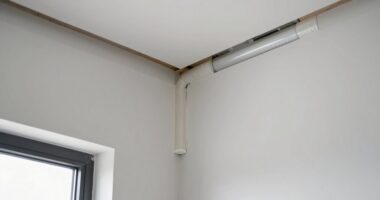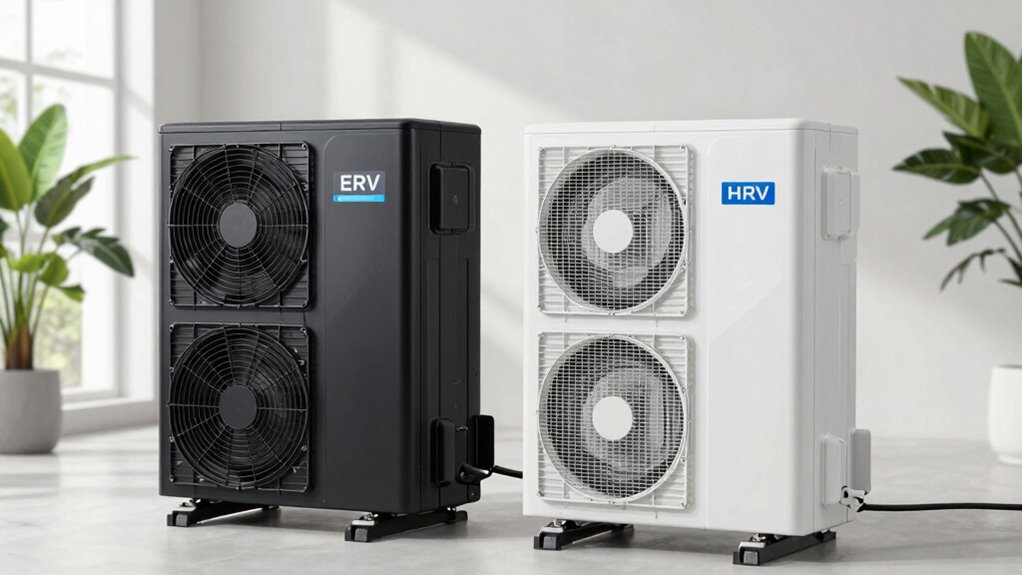

The main moisture difference between ERVs and HRVs is that ERVs transfer both heat and moisture, helping you maintain balanced indoor humidity. HRVs only transfer heat, so they can cause humidity issues in humid climates or dry environments. If you want better indoor air quality and comfort, especially in changing seasons or high humidity areas, an ERV might suit you better. Keep learning to discover which system aligns with your climate and needs.

Get garden gear delivered free — and shop member deals
- Fast, free delivery on millions of items
- Access to Prime Big Deal Days deals on October 6–7
- Prime Video, Amazon Music and more included
Key Takeaways
- ERV transfers both heat and moisture, maintaining balanced indoor humidity, unlike HRV which only transfers heat.
- ERV is better suited for humid or seasonal climates due to its moisture control capabilities.
- HRV may worsen humidity issues in humid environments, as it does not manage moisture.
- Proper moisture management with ERV reduces mold, mildew, and structural damage risks.
- Choosing between ERV and HRV depends on climate and indoor humidity needs for optimal comfort and air quality.
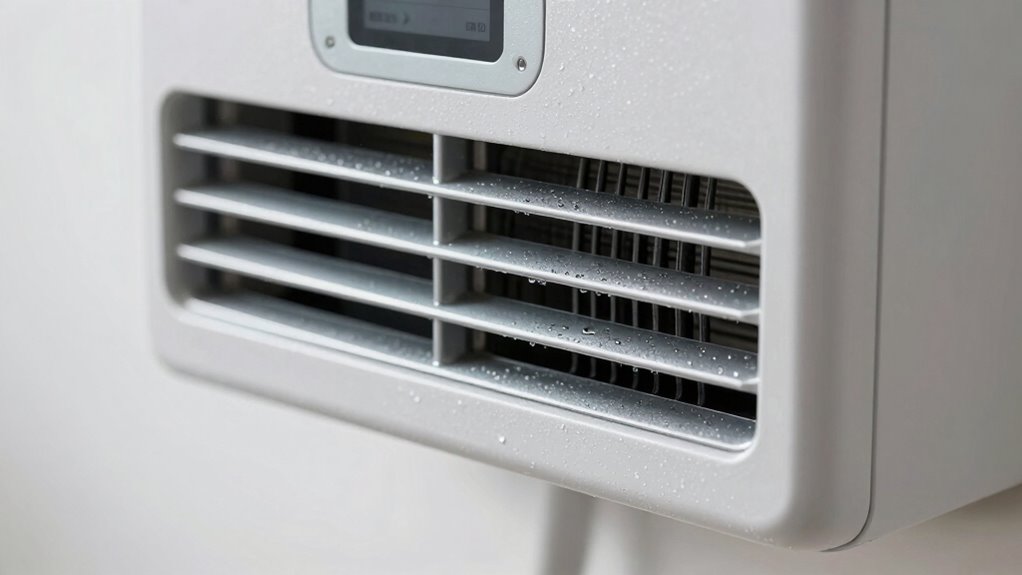
When choosing between an ERV (Energy Recovery Ventilator) and an HRV (Heat Recovery Ventilator), understanding the key difference in how they handle moisture can make a significant impact on your indoor air quality and comfort. Both systems work to improve ventilation and energy efficiency by exchanging stale indoor air with fresh outdoor air, but their approach to moisture management varies. This difference is crucial because it affects not just comfort, but also the long-term health of your home environment. An HRV primarily focuses on heat recovery, transferring thermal energy between incoming and outgoing air streams to reduce energy loss. However, it doesn’t actively manage moisture levels, which can sometimes lead to humidity imbalances—either excessive dryness or dampness—depending on your climate. If your home is in a dry region, an HRV might help retain some moisture, but in humid areas, it could exacerbate humidity issues, impacting indoor air quality and promoting mold growth.
On the other hand, an ERV is designed to transfer both heat and moisture between incoming and outgoing air. This dual transfer helps maintain a more balanced indoor humidity level, which is especially beneficial in climates with significant seasonal changes or high humidity. By controlling moisture levels, an ERV supports better indoor air quality and reduces the likelihood of mold, mildew, and dust mites, all of which thrive in damp environments. This moisture management also enhances comfort because it prevents the air from becoming too dry or too damp, which can cause respiratory irritation or skin issues. Additionally, the ability of ERVs to manage indoor humidity can contribute to a healthier environment overall. Properly managing moisture can also prevent structural issues caused by excess humidity, which is an important aspect of home durability. Moreover, understanding the moisture transfer process is essential for selecting the right ventilation system for your specific climate and needs. Recognizing the importance of air quality improvement is vital, as it directly impacts health and comfort. From an energy efficiency perspective, both systems help reduce heating and cooling costs, but the ERV’s ability to regulate humidity means your HVAC system doesn’t have to work as hard to condition the air, leading to additional savings.
In climates with rapid seasonal changes, the ability of an ERV to manage moisture transfer** helps prevent excessive humidity swings, ensuring consistent indoor comfort. Choosing the right system ultimately depends on your climate and indoor air quality needs. If you experience high humidity or seasonal moisture fluctuations, an ERV offers the advantage of better moisture control, promoting a healthier, more comfortable indoor environment**. Conversely, if you live in a dry climate, an HRV might suffice, providing energy-efficient heat recovery without the added complexity of moisture transfer. Both systems improve indoor air quality by continuously exchanging stale air for fresh, but the moisture handling feature of an ERV makes it a more versatile choice for maintaining balanced humidity levels. This balance not only enhances comfort but also contributes to better overall indoor air quality and energy efficiency, making either system a smart upgrade for your home depending on your specific needs.
As an affiliate, we earn on qualifying purchases.
Frequently Asked Questions
How Do ERV and HRV Impact Indoor Air Quality Differently?
You’ll notice that ERVs and HRVs impact your indoor air quality differently through moisture control and air filtration. ERVs transfer both heat and moisture, helping to balance humidity levels and prevent mold growth, which improves air quality. HRVs primarily focus on heat recovery, offering less moisture control but still filtering pollutants. This means ERVs better manage humidity and air quality, while HRVs excel in energy efficiency with less emphasis on moisture.
Which System Is More Energy-Efficient for Humid Climates?
In humid climates, an HRV is like a dry sponge, soaking up excess moisture and conserving energy. It’s typically more energy-efficient because it minimizes dehumidification costs, making it a smart choice for energy savings. When comparing costs, HRVs usually have a lower upfront investment and reduced operating expenses. So, if you want to cut energy bills and keep humidity in check, an HRV offers a better cost comparison for humid environments.
Can ERV or HRV Systems Help With Allergy Symptoms?
Yes, ERV and HRV systems can help with allergy symptoms by improving allergy relief and air filtration. They filter out pollen, dust, and other allergens from incoming air, reducing your exposure indoors. Regular maintenance guarantees ideal performance, making your home healthier. By exchanging stale indoor air with fresh, filtered air, these systems create a cleaner environment that can considerably lessen allergy symptoms and improve your overall comfort.
What Maintenance Is Required for ERV Versus HRV Units?
Think of maintaining your ERV or HRV like caring for a garden—regular attention keeps it thriving. You should schedule filter replacements every 3-6 months and check for dust or debris. ERVs may need more frequent maintenance due to moisture exchange, while HRVs focus on airflow. Proper upkeep extends your system’s lifespan, ensuring efficient operation and healthier indoor air. Consistent maintenance keeps your system humming smoothly for years to come.
Are There Specific Building Types That Benefit More From One System?
You’ll find that specific building types, like commercial offices or hospitals, benefit more from ERV systems due to their superior moisture control and energy efficiency. When considering system installation, building compatibility is key—some structures may require tailored solutions. For residential buildings, HRVs often suffice, but larger or more humid environments benefit from ERVs. Always evaluate your building’s ventilation needs to choose the system that best supports its design and moisture management.
Conclusion
Understanding the moisture differences between ERV and HRV systems helps you choose the right ventilation for your home. Did you know that ERVs can transfer up to 80% of moisture, reducing indoor humidity and improving comfort? This moisture control is vital, especially in humid climates. By selecting the right system, you guarantee better air quality and energy efficiency. So, next time you’re upgrading your ventilation, remember that moisture transfer might just be the key factor that makes all the difference.
Fall Picks
fall essentials
As an affiliate, we earn on qualifying purchases.