
TL;DR
Recent tests in multiple European countries detected pesticide residues in food products like rice, tea, and spices. Many of these chemicals are banned in the EU but appear in imports, highlighting ongoing regulatory challenges.
Laboratory tests across several European countries have found residues of pesticides not approved for use in the EU in rice, tea, and spices, raising concerns over food safety and import controls.
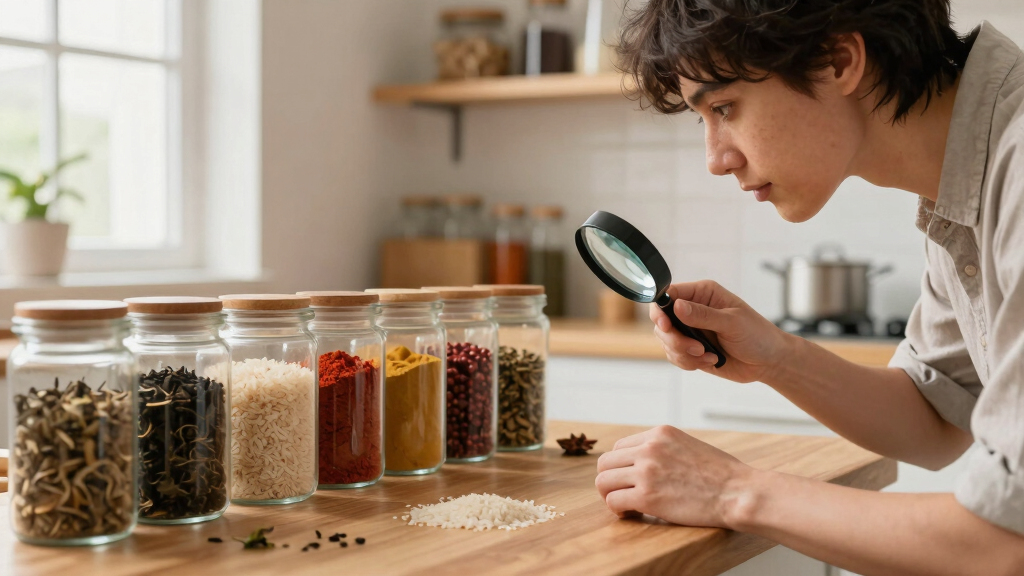
Foodwatch’s recent tests on 64 food products from the Netherlands, France, Austria, and Germany detected residues of multiple pesticides, including substances banned in the EU.
Of these, 45 products contained residues of non-approved pesticides, with 14 samples exceeding legal residue limits. All paprika, chili, and cumin samples tested contained such residues, with one paprika sample carrying 22 different pesticides, including six not approved in the EU.
Frequently detected banned pesticides include Chlorfenapyr, Bifenthrin, Spirotetramat, Clothianidin, Thiametoxam, Imidacloprid, and Isoprothiolane. According to European Chemicals Agency data, six of these pesticides were exported from EU countries to third markets in 2024–2025, then re-entered the EU via imports, creating what critics call a ‘toxic pesticides boomerang.’
The findings underscore concerns about the effectiveness of current import controls and the potential health risks posed by residues in everyday foods, prompting calls for stricter enforcement and review of pesticide regulations.
Implications for Consumer Health and Food Safety
The presence of EU-banned pesticides in imported foods such as rice, tea, and spices raises serious questions about the effectiveness of current import inspections and regulatory oversight. Consumers may be unknowingly exposed to chemicals linked to health risks, including neurological and reproductive issues. This situation underscores the need for stronger controls and transparency in the food supply chain to prevent banned substances from re-entering the European market.

Organic Tattva Sonamasuri Rice (10 lbs) – Organic Medium Grain Rice – Lightweight – Natural Aroma – No Additive – Vegan – Kosher – Non GMO – Gluten Free – USDA Certified
- Authentic Indian Organic Rice: Medium grain, lightweight, versatile
- Light Texture & Mild Aroma: Cooks fluffy, non-sticky rice
- Pure & Additive-Free: Vegan, kosher, gluten-free, non-GMO
As an affiliate, we earn on qualifying purchases.
As an affiliate, we earn on qualifying purchases.
Background on EU Pesticide Regulations and Import Practices
The EU maintains strict regulations banning many pesticides due to health and environmental concerns. However, pesticides banned in the EU can still be exported to third countries and later imported back as residues in food products. Foodwatch’s recent tests reveal that despite these bans, residues of such pesticides are present in products sold within Europe, highlighting gaps in import control systems. Past investigations have shown similar issues, but the recent findings suggest the problem persists and may be worsening amid ongoing trade and regulatory pressures.
“The results are alarming: 45 products contained residues of pesticides not approved in the EU, with some exceeding legal limits.”
— foodwatch
“Many of these pesticides are exported from EU countries to third markets and then re-imported as residues, creating a ‘toxic boomerang’.”
— foodwatch
Unresolved Questions About Import Oversight
It remains unclear how widespread the presence of these residues is across all imported foods and what specific measures are currently in place to prevent banned pesticides from entering the EU market. Details about the exact sources of the contaminated products and the effectiveness of existing import controls are still emerging, and further investigations are needed to assess the full scope of the issue.
Next Steps for Regulatory Action and Consumer Protection
European authorities are expected to review the findings and consider tightening import controls, testing protocols, and enforcement measures. Advocacy groups are calling for increased transparency and stricter penalties for violations. Legislation proposals aimed at reducing pesticide residues and improving traceability are likely to be debated in the coming months to better safeguard consumers and restore trust in the food supply chain.
Key Questions
What pesticides were found in the food products?
Common residues include Chlorfenapyr, Bifenthrin, Spirotetramat, Clothianidin, Thiametoxam, Imidacloprid, and Isoprothiolane, many of which are banned in the EU.
How do banned pesticides appear in EU food products?
They are exported from EU countries to third markets and later re-imported as residues in food, creating a ‘toxic boomerang’ effect.
Are these pesticide residues dangerous to consumers?
Residues above legal limits pose potential health risks, including neurological and reproductive effects, though individual risk depends on exposure levels and specific chemicals.
What actions are authorities taking in response?
European regulators are expected to review the findings, strengthen import controls, and consider legislative measures to reduce pesticide residues in food.
Can consumers do anything to protect themselves?
Consumers can stay informed about food sources and support policies advocating for stricter import and safety controls, though direct individual action is limited.
Source: Hacker News