During renovations, the main reason filters age faster is because airborne dust and tiny particles clog them quickly. Construction debris like drywall dust, wood shavings, and paint particles easily become airborne and are pulled into your HVAC system. This buildup reduces airflow, making your system work harder and causing filters to wear out faster. If you want to understand how to better protect your filters and improve indoor air quality, keep exploring the details.

Get garden gear delivered free with Prime
- Fast, free delivery on millions of items
- Prime Video, Amazon Music and more included
- Member-only deals all year
Key Takeaways
- Increased airborne dust and debris during renovations quickly clog filters, accelerating their aging process.
- Particles like drywall dust and paint fragments easily bypass filters, leading to faster buildup.
- Higher contaminant levels cause filters to work harder, increasing wear and reducing lifespan.
- Reduced airflow from dust accumulation strains HVAC systems, speeding up filter degradation.
- Lack of timely filter replacement during renovation periods shortens filter effectiveness.

During renovations, your air filters tend to age faster because dust, debris, and construction particles quickly clog them, reducing their efficiency. When you’re working on a home improvement project, dust accumulation becomes a major issue for both your air quality and your HVAC system. The dust, dirt, and tiny particles released during renovations don’t just settle on surfaces—they get sucked into your air filters, causing them to work harder and degrade more rapidly. This increased load shortens the lifespan of your filters, meaning you’ll need to replace them more frequently than usual.
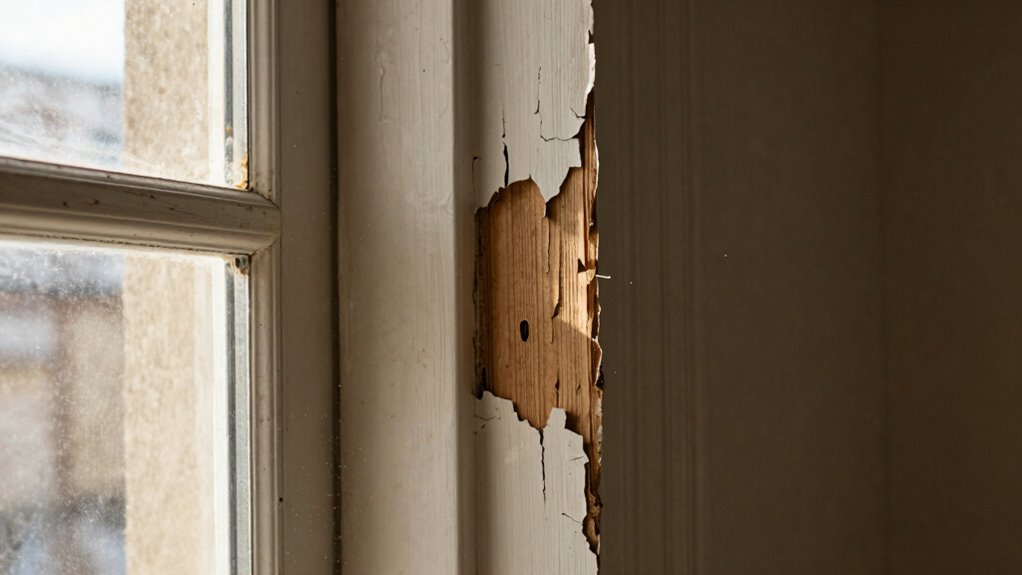
The primary reason filters age faster during this time is the spike in airborne contaminants. Renovation debris includes drywall dust, wood shavings, paint particles, and other fine particles that aren’t typically present in normal household conditions. These particles are lightweight, so they easily become airborne and are pulled into your HVAC system. As dust accumulates on the filter surface, it acts as a barrier that restricts airflow. To compensate, your system has to exert more effort, which accelerates wear and tear on the filter. This increased strain not only shortens the filter’s lifespan but can also impact the overall air quality in your home if filters aren’t replaced promptly. Additionally, the air filtration process becomes less effective as filters clog more quickly, allowing more dust and toxins to circulate freely. Regular maintenance, including inspecting and replacing filters, can help mitigate this issue.
Your air quality takes a hit during renovations because these tiny particles linger in the air longer and are more difficult to filter out. Poor air quality can cause respiratory issues, allergies, or irritation, especially if you or household members are sensitive to dust or airborne toxins. The more dust that accumulates on your filters, the less effective they become at trapping harmful particles. This means dust and debris are more likely to circulate freely in your home’s air, compromising health and comfort. If you overlook frequent filter replacements or don’t use higher-grade filters during renovations, you risk allowing dust accumulation to reach harmful levels, which can have long-term health consequences. Regularly inspecting your filters and understanding the filter lifespan can help in planning timely replacements and maintaining better indoor air quality. Being aware of indoor air quality levels during renovations can also assist in making informed decisions to protect your health.
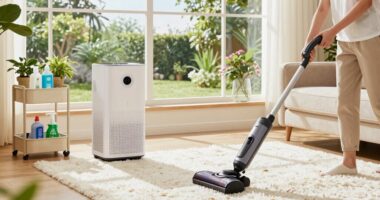
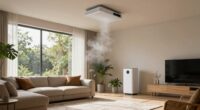
To mitigate this, it’s important to change your filters more often during renovation projects and consider using high-efficiency particulate air (HEPA) filters if possible. Covering vents, sealing off renovation zones, and using air purifiers can also help reduce dust infiltration. Implementing preventive measures like these can significantly lessen the dust burden on your filters and improve your indoor environment. Being proactive with maintenance ensures your HVAC system doesn’t become overwhelmed and that your indoor air quality remains as healthy as possible during the messiest phases of your renovation. Understanding that dust accumulation accelerates filter aging and airborne particles can help you prepare better for these projects, ultimately leading to a cleaner and safer home environment.
HEPA air filters for renovation dust
As an affiliate, we earn on qualifying purchases.
As an affiliate, we earn on qualifying purchases.
Frequently Asked Questions
Can Filter Lifespan Be Extended During Renovations?
Yes, you can extend your filter lifespan during renovations by regularly replacing filters and monitoring air quality. Renovations produce dust and debris that clog filters faster, so frequent filter replacement helps maintain airflow and efficiency. Using high-quality filters designed for dusty environments can also prolong their life. Improving ventilation and sealing off renovation areas can reduce dust infiltration, ultimately helping you preserve your filter’s effectiveness and ensuring better air quality throughout the process.
What Specific Renovation Activities Accelerate Filter Aging?
Think of your filter as a shield that’s quickly worn down during renovations. You accelerate its aging by engaging in activities that stir up dust accumulation and increase chemical exposure. Painting, sanding, or demolishing parts of your home release particles and fumes that clog filters faster. As dust and chemicals infiltrate, the filter struggles to keep your air clean, making it essential to replace or upgrade it more often during these disruptive projects.
Are There Filters Designed for Renovation Environments?
Yes, there are filters designed for renovation environments. These filters use specialized materials that can better handle dust, debris, and airborne pollutants common during renovations. They improve air quality by capturing fine particles more effectively. When choosing filters, look for those with durable filter materials specifically rated for construction dust and VOCs, ensuring they last longer and maintain air quality during your renovation project.
How Often Should Filters Be Checked During Renovations?
You should check your filters frequently during renovations, ideally every 1 to 2 weeks. Regular air quality testing helps determine if filters are clogged or if the filter replacement frequency needs increasing. Renovation dust and debris can quickly reduce filter efficiency, so monitoring guarantees your HVAC system functions properly and maintains good air quality. Promptly replacing filters when signs of clogging appear keeps your environment healthier and prevents damage to your system.
Do Air Purifiers Help Protect Filters During Remodeling?
Yes, air purifiers help protect filters during remodeling by improving air quality and reducing dust, debris, and airborne pollutants. This prevents these particles from clogging or damaging your HVAC filters, maintaining their efficiency longer. Using an air purifier during renovations guarantees cleaner indoor air, supports filter longevity, and keeps your system functioning at its best, ultimately saving you time and money on filter replacements and repairs.
Conclusion
Think of your filters like a garden’s delicate petals—they weather storms and seasons, but during renovations, they’re exposed to harsher elements. Just as a flower’s bloom might fade faster without proper care, your filters age rapidly when renovations stir up dust and debris. Protect them like a prized bloom; change filters more often during these times. This way, you keep your home’s health vibrant, much like a garden thriving despite the storm.
Fall yard work Picks
leaf blowers
As an affiliate, we earn on qualifying purchases.