
Your garage storage choices directly affect your indoor air quality. Using cluttered, poorly organized shelves traps dust, mold spores, and fumes, while sealed containers help contain chemicals and prevent fumes from spreading. Choosing durable, moisture-resistant materials encourages better airflow and reduces mold growth. Good organization and ventilation keep pollutants from building up, creating a healthier environment. Keep these factors in mind, and you’ll find how smarter storage can improve your home’s air quality as you explore further.

Get garden gear delivered free with Prime
- Fast, free delivery on millions of items
- Prime Video, Amazon Music and more included
- Member-only deals all year
Key Takeaways
- Choosing non-toxic, moisture-resistant storage materials reduces mold growth and chemical emissions, improving air quality.
- Proper organization enhances airflow, preventing dust and mold accumulation that can degrade indoor air.
- Sealed containers contain fumes from chemicals, minimizing their release into the garage environment.
- Installing ventilation systems and maintaining airflow reduces pollutant buildup and stale air.
- Keeping stored items off the floor and regularly cleaning shelves helps prevent moisture and mold issues.
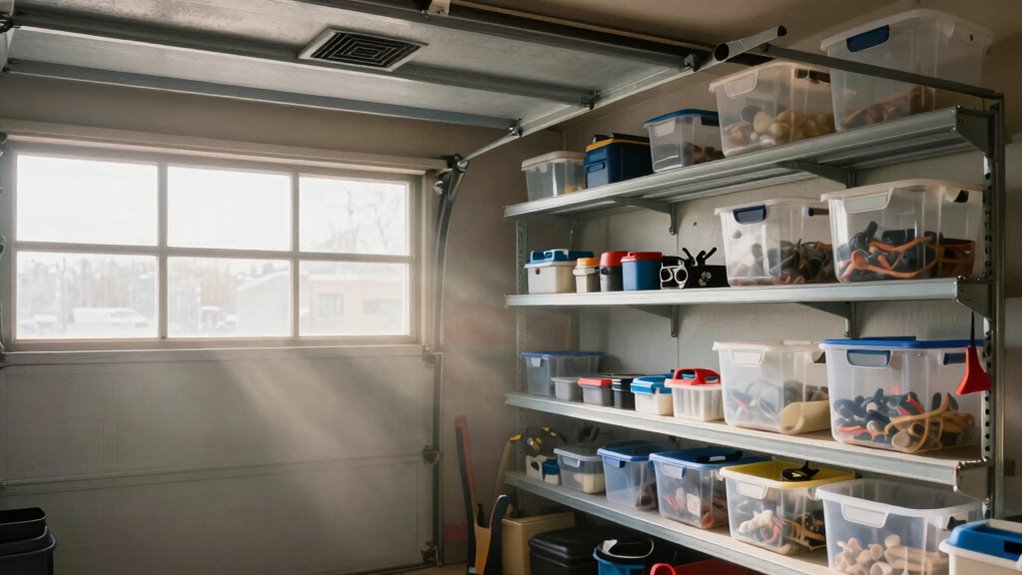
A well-organized garage can markedly improve your home’s overall air quality, but cluttered or poorly stored items can do the opposite. When your garage is messy, dust, mold, and chemical fumes tend to accumulate, seeping into your house and affecting indoor air quality. The way you choose your storage materials and how you manage ventilation plays a vital role in preventing these issues. Effective ventilation improvements ensure that stale air, fumes, and particulates don’t linger, which is essential for maintaining a healthy indoor environment. Installing exhaust fans, vents, or even simple gaps in doors can promote airflow and reduce indoor pollutant levels. Proper ventilation helps carry away harmful emissions from stored chemicals or dusty items, keeping the air cleaner inside your home. Additionally, understanding the importance of indoor air quality can help you make more informed choices for your garage setup. Ensuring proper air circulation in your garage can further minimize the buildup of airborne contaminants. Regularly inspecting and maintaining your ventilation systems is also crucial to prevent blockages or malfunctions that could compromise air quality. Incorporating ventilation systems designed specifically for garages can significantly enhance your indoor air environment. Using moisture-resistant storage options can also help prevent mold growth, which is a major contributor to indoor air pollution, especially in humid environments.
Your choice of storage material types directly impacts indoor air quality. Plastic storage containers are popular because they’re affordable and lightweight, but some plastics can emit volatile organic compounds (VOCs), especially when exposed to heat or sunlight. Metal shelves are durable and non-porous, so they don’t off-gas chemicals, but they can rust and trap dust if not maintained properly. Wooden cabinets offer a natural look and are sturdy, but wood can harbor mold or mildew if not sealed and ventilated correctly. When selecting storage materials, opt for those that are non-toxic, moisture-resistant, and easy to clean, reducing the chances of mold growth or chemical off-gassing that can degrade air quality. Using materials that resist moisture and mold growth is especially important in humid environments to prevent indoor air pollution. Choosing non-toxic, environmentally friendly options can further improve the overall healthiness of your indoor environment.
Choose non-toxic, moisture-resistant storage materials to improve indoor air quality and prevent mold and chemical off-gassing.
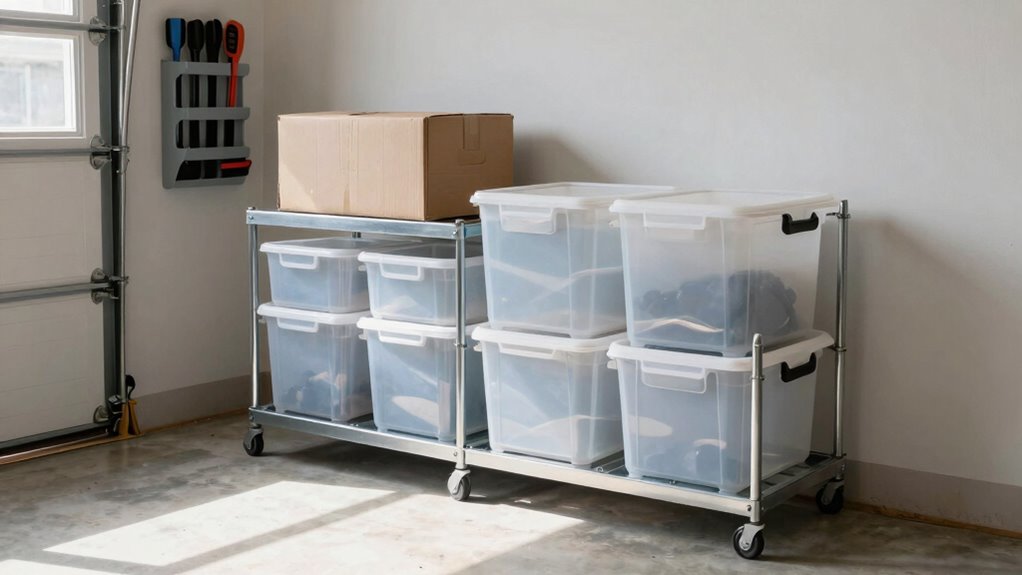
Additionally, how you organize and store items influences airflow and potential contamination. Overstuffed shelves or cluttered corners restrict ventilation and can trap dust or mold spores, worsening indoor air quality. Using the right storage materials in combination with proper placement can improve air circulation. For example, keeping chemicals in sealed, ventilated containers and storing them away from living spaces minimizes fumes. Elevating stored items off the floor allows air to circulate freely underneath, preventing moisture buildup. Regularly cleaning shelves, removing dust, and inspecting for mold or leaks helps maintain a healthy environment. Proper organization and material choices are essential for preventing the accumulation of pollutants that compromise air safety. Employing breathable storage options can also enhance airflow and reduce the risk of mold growth. Incorporating moisture-resistant storage solutions can further help in humid environments, protecting indoor air quality. Additionally, selecting storage options that are easy to ventilate can support ongoing air quality management. Paying attention to ventilation quality and ensuring it matches your storage setup is crucial for maintaining a clean indoor space.
In essence, your garage storage choices—covering both the type of materials used and the organization strategies—directly influence your indoor air quality. Thoughtful planning ensures that your garage remains a safe, clean space, protecting your home’s air and your family’s health. Proper ventilation improvements combined with mindful storage material types create a healthier environment, making your entire home more comfortable and safer for everyone.
garage storage containers with lids
As an affiliate, we earn on qualifying purchases.
As an affiliate, we earn on qualifying purchases.
Frequently Asked Questions
How Do Storage Materials Impact Indoor Air Quality?
Storage materials directly impact indoor air quality through their toxicity levels. If you choose materials with high storage material toxicity, they can release indoor air contaminants, such as volatile organic compounds (VOCs), into your home. Opt for non-toxic, low-emission storage options to reduce indoor air contaminants and improve air quality. Carefully selecting safe storage materials helps you maintain a healthier environment and minimizes potential health risks from indoor air pollution.
Are There Safe Chemical Options for Garage Storage?
Yes, there are safe chemical options for garage storage. You should choose products with verified chemical safety labels, ensuring they meet safety standards. Proper storage labeling helps you identify and handle chemicals correctly, reducing risks. Use sealed, clearly labeled containers to prevent leaks and minimize fumes. Avoid storing chemicals near heat sources or in direct sunlight. Regularly check labels and containers to maintain safe conditions and protect indoor air quality.
Can Cluttered Garages Affect Indoor Air Pollution Levels?
A cluttered garage acts like a magnet for dust accumulation, which can then drift into your home’s indoor air, worsening pollution levels. Poor garage organization creates hidden spots for dust and debris to settle, increasing airborne particles. When you keep your garage tidy, you reduce this dust, helping improve indoor air quality. Fundamentally, a well-organized space shields your home’s air from unwanted pollutants, making it healthier for everyone inside.
What Ventilation Methods Improve Indoor Air Quality Near Storage Areas?
You can improve indoor air quality near storage areas by using effective ventilation techniques like exhaust fans or air purifiers. These methods promote air exchange, removing pollutants and fumes from your garage. Opening windows regularly also helps increase airflow. Proper ventilation reduces the buildup of dust, chemicals, and odors, ensuring cleaner air in your home. Consistently applying these techniques creates a healthier environment and minimizes indoor air pollution.
How Often Should Garage Storage Be Cleaned to Maintain Air Quality?
You should clean your garage storage at least once a month to keep air quality high. Regular cleaning reduces dust accumulation, which can worsen indoor air quality and trigger allergies. It also helps with pest control, preventing pests from settling in and releasing allergens or odors. By staying consistent with cleaning, you minimize dust and pests, creating a healthier environment and preventing potential air quality issues.
Conclusion
You might think your garage storage has little effect on your indoor air quality, but it actually plays a big role. Cluttered shelves and poorly stored chemicals can release fumes that seep into your home. Remarkably, some experts believe that well-organized storage with proper ventilation can actually improve indoor air quality by reducing dust and chemical buildup. So, taking care of your garage isn’t just about space—it’s about creating a healthier home environment.
Fall Picks
fall essentials
As an affiliate, we earn on qualifying purchases.