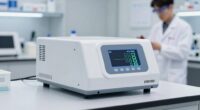
A good indoor PM2.5 level is below 15 micrograms per cubic meter over a 24-hour period, aligning with WHO guidelines. Keeping your indoor air quality below this threshold helps protect your respiratory health and overall well-being. To achieve this, use air purifiers with HEPA filters, ensure proper ventilation, and monitor levels regularly. Staying within this target range makes your indoor environment safer—exploring effective strategies to maintain these levels can lead to even healthier spaces.
Open a free Amazon Business account
Business pricing, bulk buying and tax-exempt orders.
As an affiliate, we earn on qualifying purchases.
Key Takeaways
- The WHO recommends indoor PM2.5 levels below 15 micrograms per cubic meter over 24 hours.
- Maintaining PM2.5 levels near or below 15 µg/m³ supports better respiratory health.
- Regular use of HEPA filters and proper ventilation help achieve these target levels.
- Monitoring indoor air quality with real-time sensors aids in managing pollutant levels effectively.
- A practical indoor PM2.5 target range is generally between 0 and 15 µg/m³ for optimal health.
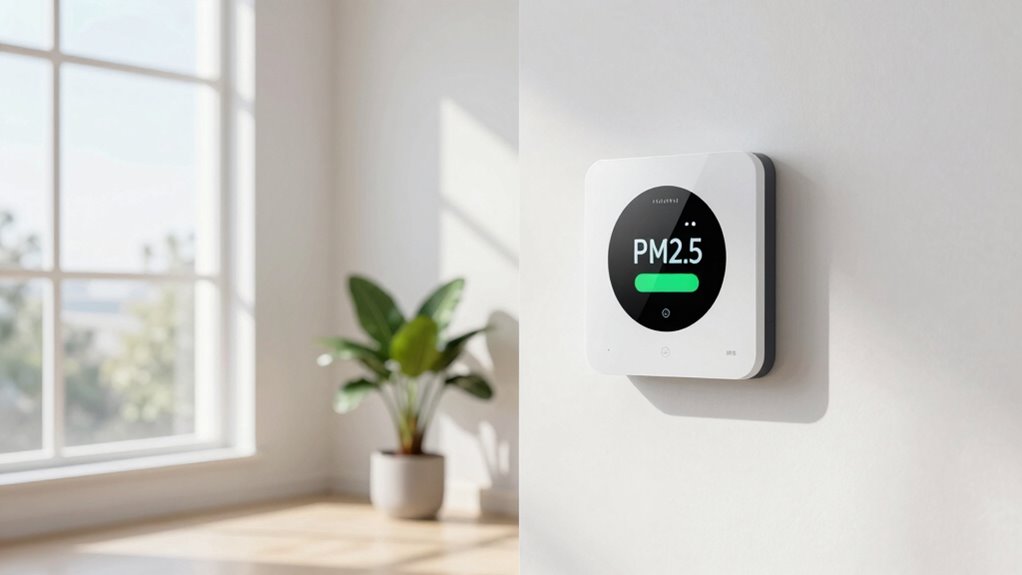
Have you ever wondered how clean the air inside your home really is? Monitoring PM2.5 levels is essential because tiny particles can harm your health, especially if they linger indoors. A practical way to manage this is by understanding what constitutes a “good” PM2.5 level and how to achieve it. When aiming for healthier indoor air, your first step is to contemplate air purifiers. These devices are designed to filter out fine particles, including PM2.5, from the air you breathe. Look for models equipped with HEPA filters, which are highly effective at capturing particles as small as 0.3 microns, encompassing the majority of PM2.5 pollutants. Regular use of air purifiers can markedly reduce indoor PM2.5 concentrations, especially in spaces where outdoor pollution seeps inside or where sources like cooking or smoking are present.
Monitoring PM2.5 indoors with HEPA air purifiers reduces health risks from tiny particles.
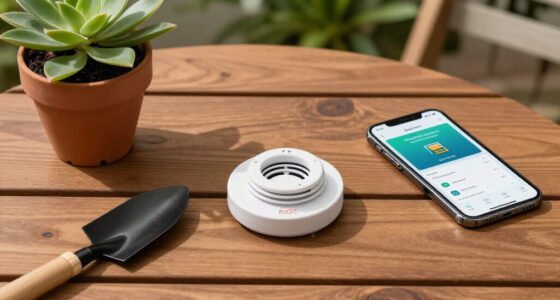
Alongside air purifiers, ventilation strategies play a critical role in maintaining a good indoor air quality. Proper ventilation helps dilute and remove indoor pollutants, including PM2.5 particles. You might open windows when outdoor air quality is better, or consider installing mechanical ventilation systems equipped with filters. These systems can bring in fresh air while filtering out pollutants, which is especially helpful in urban areas with high outdoor pollution levels. Consistently implementing these ventilation strategies ensures that indoor air doesn’t become stagnant or overly contaminated, reducing your exposure to harmful particles. Additionally, employing air quality monitors can provide real-time data on pollutant levels, allowing you to respond promptly and adjust your strategies accordingly.
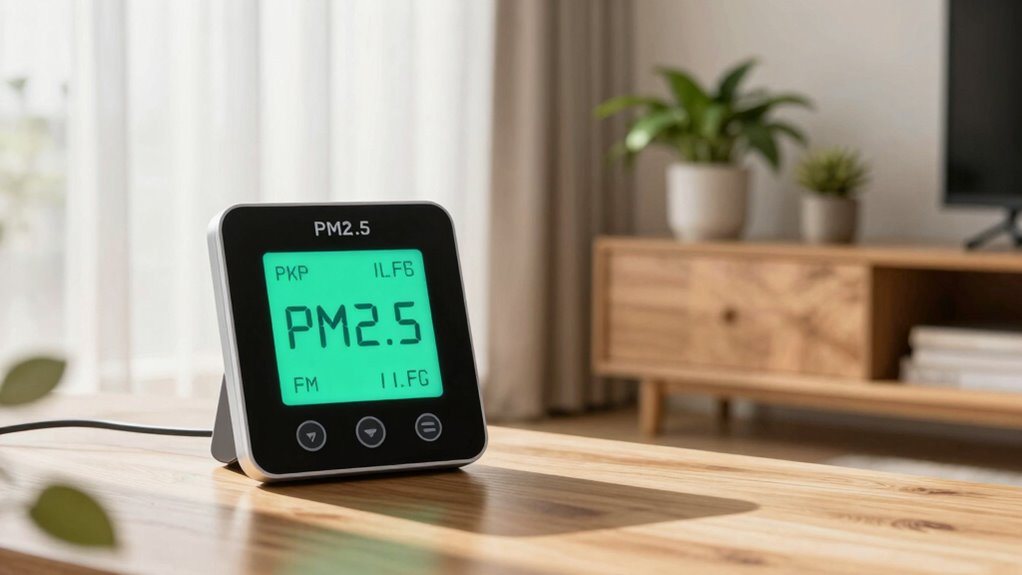
So, what’s a “good” PM2.5 level indoors? The World Health Organization recommends keeping PM2.5 concentrations below 15 micrograms per cubic meter over a 24-hour period. In practical terms, maintaining your indoor PM2.5 levels close to or below this threshold helps protect your health, especially if you have respiratory conditions or are sensitive to air pollution. Achieving this isn’t necessarily about perfect conditions but about creating a safe environment through consistent use of air purifiers and effective ventilation. Keep an eye on indoor air quality monitors that display PM2.5 levels in real-time; they help you make informed decisions and promptly respond if levels spike.
Ultimately, creating a healthy indoor environment involves a combination of strategies. Using air purifiers with high-efficiency filters and adopting smart ventilation practices can help you maintain PM2.5 levels within the recommended range. It’s about being proactive and attentive to your indoor air quality to ensure you’re breathing cleaner, safer air every day.
Frequently Asked Questions
How Often Should I Test Indoor PM2.5 Levels?
You should monitor your indoor PM2.5 levels regularly, ideally testing every one to three months to catch fluctuations early. Adjust testing intervals based on activities like smoking or cooking, which can raise levels quickly. Consistent monitoring helps you maintain healthy air quality, identify pollution sources, and take timely action. Stay proactive by tracking indoor air quality regularly, especially if you notice changes or have vulnerable household members.
Can Plants Help Reduce Indoor PM2.5?
You might think plants alone can drastically lower indoor PM2.5, but they’re more of a supplement. Plant filtration and soil absorption help capture some particles, improving air quality gradually. While they’re not a complete solution, adding houseplants increases humidity and reduces airborne toxins, making the environment healthier overall. Just remember, for significant PM2.5 reduction, combine plants with proper ventilation and air purifiers.
What Are the Primary Sources of Indoor PM2.5?
Indoor pollution mainly comes from sources like cooking, smoking, heating, and off-gassing from furniture or products. These emit PM2.5 particles that can harm your health. To reduce indoor PM2.5, you should improve ventilation strategies, such as using exhaust fans or air purifiers, and increase fresh air flow. Regularly cleaning and avoiding indoor smoking also help minimize these particles and maintain healthier indoor air quality.
Does Humidity Impact PM2.5 Levels Indoors?
They say “what you don’t see can hurt you,” and humidity effects definitely play a role in indoor air quality. Higher moisture influence can cause PM2.5 particles to settle or cling to surfaces, potentially reducing airborne levels temporarily. However, too much humidity can also promote mold and dust mites, which worsen air quality. So, maintaining balanced humidity helps control PM2.5 levels, making your indoor environment healthier and more comfortable.
Are Air Purifiers Effective Against PM2.5?
Air purifiers are effective against PM2.5 when you choose models with high-efficiency filters like HEPA. They can substantially reduce indoor particle levels, making your air cleaner and healthier. To guarantee the best air purifier efficiency, you need to maintain the filters regularly—clean or replace them as recommended. Proper filter maintenance keeps your device working at peak performance, helping you breathe easier and lowering your indoor PM2.5 exposure.
Conclusion
So, there you have it—aim for that sweet spot of PM2.5 levels indoors and pretend you’re living in a pristine rainforest. Because who wouldn’t want to turn their home into an air quality utopia, right? Just remember, if your air ever hits “perfect,” maybe you should start questioning whether you’re dreaming or just overly obsessed with clean air. Stay vigilant, breathe easy, and keep those particles in check—your lungs will thank you!
Flea & tick season Picks
flea and tick prevention
As an affiliate, we earn on qualifying purchases.