To keep HEPA purifiers effective in large commercial spaces, you should follow manufacturer-recommended filter replacement schedules, typically every 6 to 12 months, and monitor device alerts. Regularly inspecting and replacing filters prevents clogs and maintains airflow, ensuring clean air quality. Proper maintenance also extends the lifespan of your device and reduces operational costs. Staying on top of these steps helps create a healthier environment—continue to explore more tips to optimize your air quality.
Key Takeaways
- Choose high-capacity HEPA purifiers designed for large commercial spaces to ensure adequate air filtration coverage.
- Regularly replace filters every 6 to 12 months or as indicated by device alerts to maintain optimal performance.
- Follow manufacturer instructions for maintenance, including turning off and unplugging units before filter replacement.
- Proper maintenance prevents airflow restrictions, reduces energy costs, and prolongs device lifespan.
- Implement scheduled reminders and visual inspections to ensure consistent air quality and effective purifier operation.
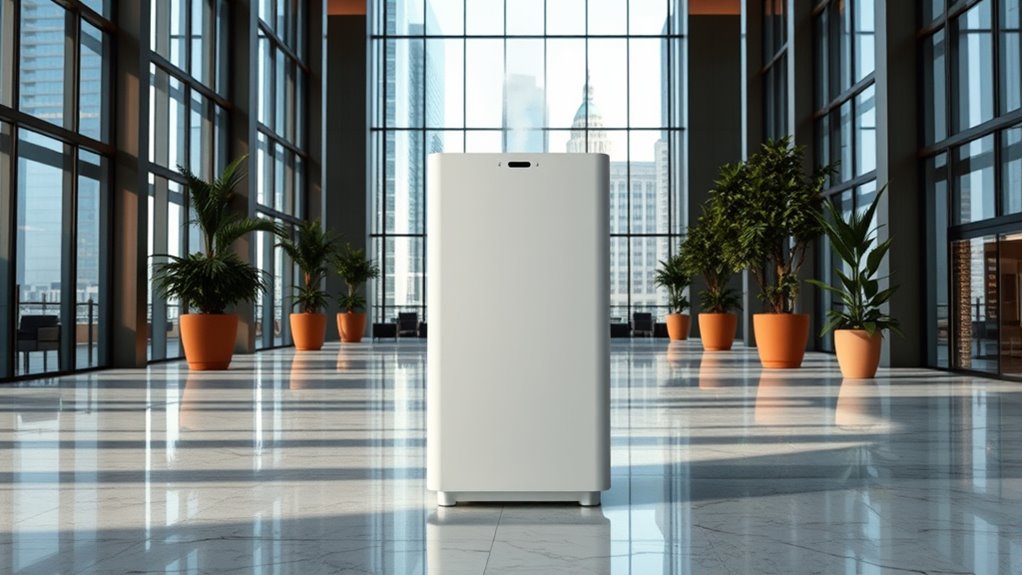
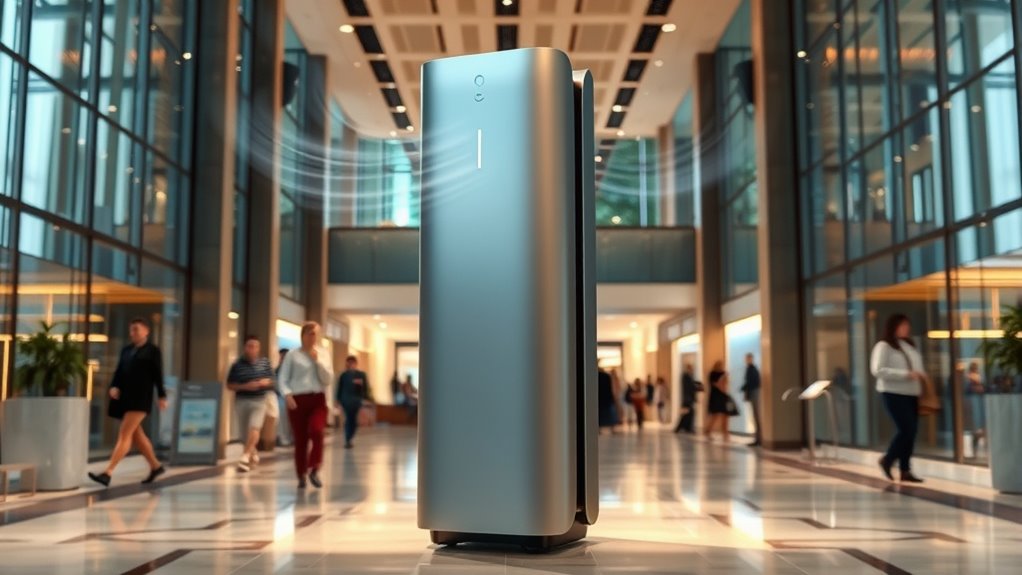
When it comes to maintaining clean and healthy air standards in large commercial spaces, HEPA purifiers play a crucial role. These powerful devices are designed to capture tiny particles like dust, pollen, mold spores, bacteria, and even some viruses, making the environment safer for employees, customers, and visitors. To get the most out of your HEPA purifier, you need to stay on top of air purifier maintenance and adhere to filter replacement schedules. Proper maintenance ensures your purifier operates at peak efficiency, prolongs its lifespan, and maintains ideal air quality. Ignoring these practices can lead to clogged filters, reduced airflow, and diminished filtration capabilities, which defeats the purpose of having a HEPA purifier in the first place.
HEPA purifier maintenance is essential for optimal air quality and device longevity in commercial spaces.
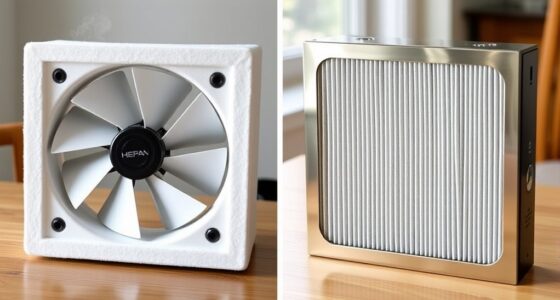
Start by understanding your specific unit’s filter replacement schedules. Most HEPA purifiers come with manufacturer-recommended timelines—often every 6 to 12 months—depending on usage and air quality levels. If your space experiences higher levels of dust or pollutants, you might need to replace filters more frequently. Keep an eye on indicators or alerts from your device, but don’t rely solely on them. Regularly inspecting the filters visually can help you determine if they’re clogged or dirty before the scheduled replacement. This proactive approach prevents airflow restrictions and maintains the purifier’s efficiency.
When performing air purifier maintenance, always follow the manufacturer’s instructions. Turn off and unplug the unit before opening it up. Carefully remove the filters and examine them. If they appear heavily coated with dust or debris, it’s time for a replacement. Some filters can be cleaned, but HEPA filters are generally disposable. Use a vacuum with a soft brush attachment for preliminary cleaning if recommended, but avoid washing HEPA filters unless specified by the manufacturer, as this can damage the filtering medium. Once cleaned or replaced, reassemble the purifier properly, ensuring all components are secured to prevent leaks or malfunctions.
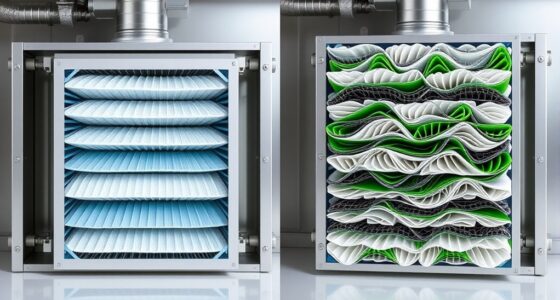
Maintaining a schedule for filter replacements isn’t just about cleanliness—it’s about air quality and operational efficiency. Mark your calendar or set reminders aligned with the manufacturer’s recommendations. Regular maintenance helps prevent bacterial growth, mold accumulation, and the spread of airborne contaminants. It also ensures your HEPA purifiers work quietly and effectively, which is essential in busy commercial environments. Additionally, selecting the right filter media can significantly impact filtration performance and longevity. Remember, a well-maintained air purifier not only protects health but also reduces energy consumption, saving you money over time. Staying diligent with maintenance and replacement schedules ultimately keeps your large commercial space safe, healthy, and compliant with air quality standards.

Whole Home Air Purifier for Large Room, 6096 Sq-ft In One Hour, Smart APP & WIFI, Air Cleaner for Home, Industrial and Commercial Large Room Air Purifers with Washable Filter, Timer, Wheels, 30" Tall
- Large Room Coverage: Purifies up to 6096 sq ft in one hour
- Three-Layer Filtration: Effectively filters airborne particles as small as 0.3 microns
- Filter Change Reminder: Alerts when it's time to replace filters
As an affiliate, we earn on qualifying purchases.
As an affiliate, we earn on qualifying purchases.
Frequently Asked Questions
What Maintenance Is Required for HEPA Purifiers in Large Areas?
You need to regularly replace the filters in your HEPA purifiers to guarantee peak performance, typically every 6 to 12 months depending on usage. Additionally, check for system calibration needs to keep airflow and filtration efficiency high. Clean pre-filters if applicable, and inspect for any blockages or damage. Proper maintenance like this helps your large space stay clean and safe, maximizing the purifier’s lifespan and effectiveness.
Are HEPA Purifiers Effective Against Airborne Viruses?
Yes, HEPA purifiers are effective against airborne viruses because they provide viral filtration that captures tiny virus particles. Their advanced air purification technology traps contaminants, including bacteria and viruses, improving indoor air quality. By continuously circulating and filtering the air, HEPA purifiers markedly reduce the risk of airborne transmission, making them a valuable tool in maintaining a healthier environment in large commercial spaces.
How Loud Are HEPA Purifiers in Large Spaces?
HEPA purifiers in large spaces vary in noise levels, typically ranging from 50 to 70 decibels depending on the fan speed. At lower settings, they operate quietly, similar to a conversation, but higher speeds can produce noticeable noise. You might find the noise levels acceptable during normal activities, but if you need quiet, opt for models with adjustable fan speeds to manage the decibel ratings effectively.
What Is the Typical Lifespan of HEPA Filters in Commercial Units?
Think of your HEPA filter as a diligent gardener; it needs regular care to stay effective. Typically, it lasts about 6 to 12 months before filter replacement becomes necessary. Regularly changing filters ensures energy efficiency and peak performance. Neglecting this can turn your purifier into a clogged, inefficient machine. Keep a close eye on usage and environment, and you’ll maintain clean air and a well-running system.
Can HEPA Purifiers Remove Odors From Large Commercial Spaces?
Yes, HEPA purifiers can help with odor elimination in large commercial spaces. While they excel at removing airborne particles, for stronger odors, you might want to pair them with activated carbon filters. This combination effectively improves air quality by capturing both particles and odors. Regular maintenance and choosing a unit designed for large areas ensure maximum odor removal and overall air quality improvement for your commercial environment.
Conclusion
Investing in HEPA purifiers for large commercial spaces is like planting a sturdy forest that shields everything within. They clear the air of harmful particles, creating a safer, healthier environment for everyone. With consistent use, you’ll notice improved air quality that nurtures productivity and well-being. Just as a forest renews and protects, these purifiers stand as silent guardians, ensuring your space remains a fresh breeze amidst the chaos.