TL;DR

Get garden gear delivered free with Prime
- Fast, free delivery on millions of items
- Prime Video, Amazon Music and more included
- Member-only deals all year
Amateur Gardening outlines five garden-preparation steps ahead of forecast stormy, wet and windy weather: shelter containers, secure plant supports, bring loose objects indoors, check trees and reduce waterlogging. The advice is preventative; the report does not identify a specific storm or provide a forecast for a particular location.
Amateur Gardening has published five steps to help gardeners prepare for stormy, wet and windy weather, recommending that they secure plants and structures, move loose items and check drainage. The advice matters because strong winds and heavy rain can damage plants and property, while unsecured objects may become hazards; the report does not name a particular storm or forecast area.
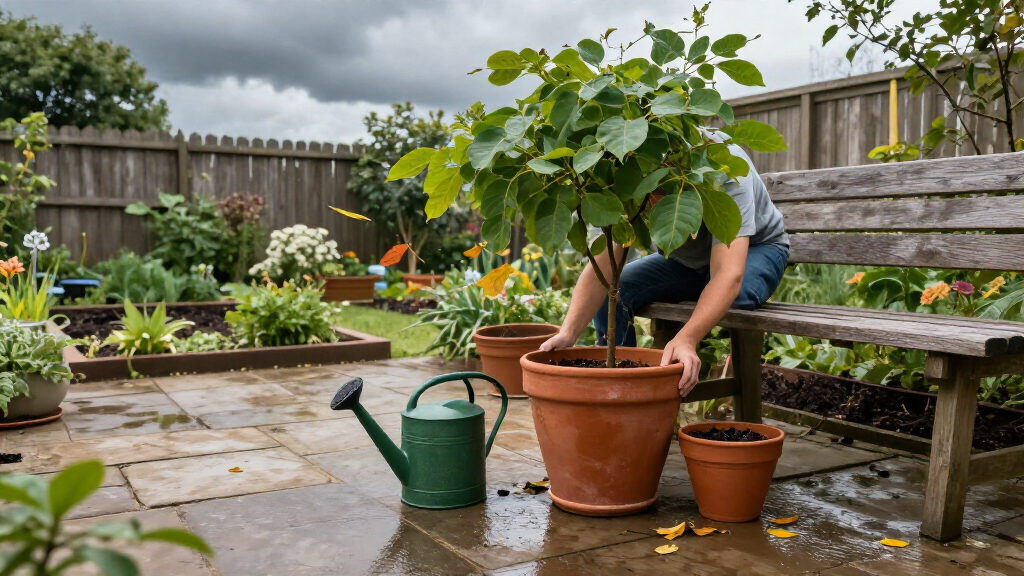
The first two recommendations focus on containers and plant supports. The report advises moving pots away from exposed positions, placing them at ground level and grouping them together. Tender plants can be moved to a frost-free space where possible. Hanging baskets should be taken down from brackets and placed on the ground until high winds pass. Gardeners are also advised to check that arches, trellises and stakes are firmly secured and that tall plants are tied in.
The third step is to bring in or secure objects that could be blown around. Amateur Gardening lists trampolines, garden toys, tools, empty pots and furniture, and says sheds and greenhouses should be well built and bolted down. The fourth recommendation is to have tall trees near homes or roadsides checked by a tree surgeon and to remove weak branches before they fall. The report does not give detailed instructions for carrying out tree work.
The fifth step addresses heavy rain. Gardeners should check that container drainage holes are clear and avoid leaving pots sitting in water, which can cause plants to rot. The report also suggests considering plants that tolerate wetter conditions and installing a water butt to collect rain for later use. It stresses that people should stay indoors once storm conditions begin rather than trying to rearrange the garden in dangerous weather.
Protecting Gardens and Nearby Property
Preparation can reduce the chance of pots, furniture and other objects being blown into people, buildings or neighbouring gardens. It can also help protect plants from broken supports and waterlogged roots. The recommendations apply to more than large, exposed gardens: the report says balconies, city gardens, school gardens and container gardens can also face wind and heavy rain.
The guidance is preventative, not a guarantee against damage. It gives homeowners a checklist to work through before bad weather arrives, while drawing a clear line around safety: once conditions become hazardous, people should not go outside to secure items. Tree checks and work near buildings or roads may require professional help.
Products Worth Considering

Philips Hue Festavia 130-Foot Indoor/Outdoor Smart String Lights, 500 LEDs

Philips Hue Festavia Globe Outdoor String Lights, 32 Bulbs, 91 ft

TCL QM64L 85-Inch QD-Mini LED 4K Smart Fire TV
As an affiliate, we earn on qualifying purchases.
Five Jobs Before the Weather Turns
The report frames its advice around a change from a hot, dry summer to months expected to be wetter and windier. It refers to El Niño developing but provides no forecast source, location, dates or meteorological data. That means the seasonal outlook should be read as the report’s stated context, not as a detailed weather alert for every reader.
Its five jobs cover different risks: moving or grouping containers, securing plant supports, removing potential flying debris, checking vulnerable trees and improving water management. The report also notes that rain gardens and water-tolerant planting are becoming more common in home gardens and public spaces, linking garden preparation to how heavy rainfall is managed.
“The garden can wait; your safety is paramount.”
— Amateur Gardening
No Local Storm Forecast Supplied
The report does not specify when or where storms are expected, how severe conditions may be, or which official forecasts support its seasonal outlook. It also does not quantify the likelihood of damage or provide a timetable for the weather it describes. Readers should check local weather warnings for current conditions rather than treating the article as a location-specific forecast.
Advice about trees is limited to arranging a check by a tree surgeon and dealing with weak branches. The report does not say how to assess a tree’s condition or whether particular work is safe to do independently. It also gives no technical guidance for securing every type of shed, greenhouse or trampoline.
Check Forecasts and Secure Items Early
Before weather worsens, gardeners can use the five recommendations as a checklist: move containers and hanging baskets, secure supports and structures, bring loose objects indoors, arrange professional advice for vulnerable trees, and clear pot drainage holes. Local forecasts and warnings will provide the most relevant information about timing and expected conditions.
If strong winds or heavy rain have already arrived, the report advises staying indoors and waiting until conditions are safe before checking for damage. It does not announce a follow-up report or identify a specific storm milestone.
Key Questions
What should I move before a storm?
Move pots and hanging baskets to sheltered, ground-level positions. Bring in garden toys, tools, empty pots and furniture where possible, and secure larger items such as trampolines.
How can I protect tall plants?
Check that stakes, arches and trellises are firm, then tie tall plants securely to their supports. Do this before dangerous conditions begin.
What should I do about trees near my house?
Amateur Gardening recommends having tall trees near homes or roadsides checked by a tree surgeon and addressing weak branches before a storm. The report does not provide instructions for tree work.
How do I reduce the risk of waterlogged pots?
Check that drainage holes are not blocked and avoid leaving containers standing in saucers or pooled water for long periods.
Should I go outside to secure the garden during a storm?
No. The report says to stay indoors once storm conditions have started. Check and secure the garden beforehand, and wait until it is safe to go outside afterward.
Source: amateurgardening.com