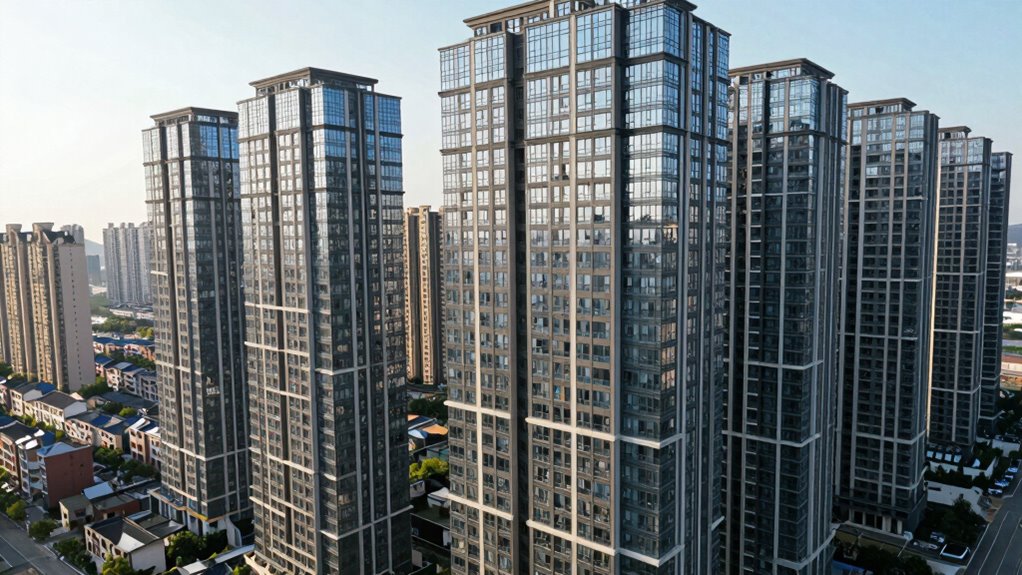
In high-rise apartments, infiltration patterns differ from houses because the height, design, and external factors like wind and temperature variations heavily influence airflow. External pressure from wind and stack effects can cause uneven infiltration, making it less predictable. Structural vulnerabilities such as gaps around windows or cracks worsen these issues. Proper maintenance and sealing are key to managing airflow and comfort. If you’re curious about how these factors interact, you’ll discover more insights ahead.
Get ready for Prime Big Deal Days — try Prime free
Exclusive member deals on October 6–7, plus fast free delivery. Cancel anytime.
As an affiliate, we earn on qualifying purchases.
Key Takeaways
- High-rise buildings experience complex airflow driven by wind, temperature differences, and structural features, unlike simpler house ventilation.
- External pressure fluctuations cause uneven infiltration patterns in high-rises due to taller structures and external environmental forces.
- Structural vulnerabilities like façade cracks and window gaps have a greater impact on infiltration in high-rises.
- Mechanical ventilation systems are more critical in high-rises, compensating for limited natural airflow options.
- External factors such as wind and stack effects significantly influence infiltration patterns differently than in houses.
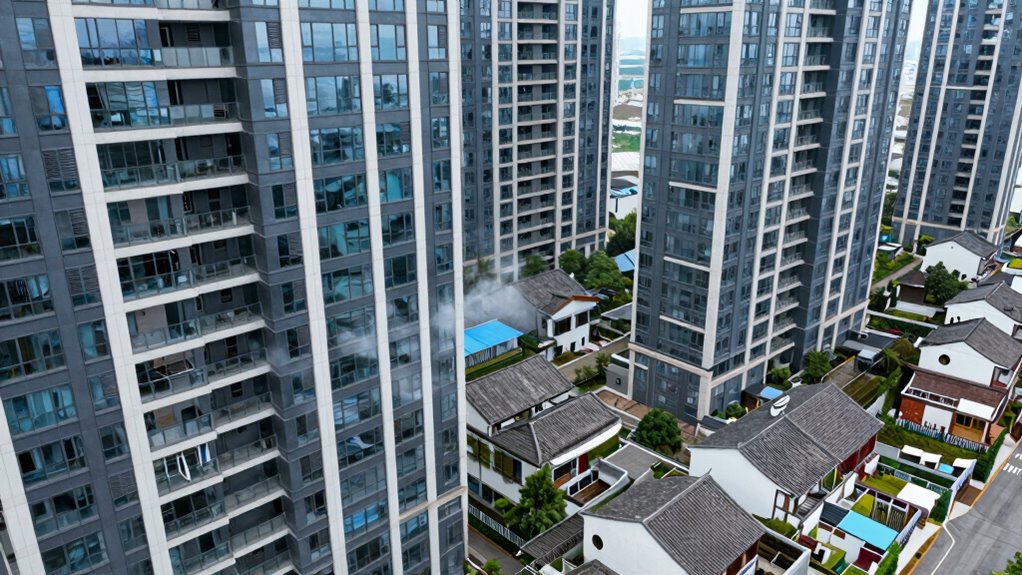
High-rise apartments present unique challenges when it comes to infiltration patterns, as their height and design substantially influence how outside air enters and moves within the building. Unlike houses, which often have straightforward ventilation systems and predictable airflow, tall buildings experience complex air movement driven by wind, temperature differences, and structural features. These factors directly impact ventilation efficiency, making it harder to control indoor air quality and energy use. You might notice that some units feel drafty or stuffy, depending on how well the building manages air exchange through windows, vents, and other openings. Understanding these dynamics helps you identify potential vulnerabilities and optimize your living environment.
High-rise buildings face unique airflow challenges affecting air quality and energy efficiency.
In high-rise buildings, structural vulnerabilities play a key role in infiltration. Gaps around windows, poorly sealed doors, or cracks in façade materials can become entry points for outside air. Since these buildings are subjected to constant pressure differences caused by wind and temperature variations, even minor vulnerabilities can lead to considerable air leakage over time. You might see that certain apartments experience more infiltration during windy days or rapid temperature changes, which affects comfort and energy efficiency. These vulnerabilities are often exacerbated if regular maintenance is neglected or if construction standards weren’t rigorous, emphasizing the importance of ongoing inspections and sealing. Regular building maintenance is essential to prevent worsening of these vulnerabilities and ensure energy efficiency. A comprehensive understanding of building vulnerabilities can help in prioritizing repairs and preserving indoor comfort. Additionally, addressing these issues proactively can help prevent long-term damage to the building’s structure.
Ventilation efficiency in high-rise apartments depends heavily on the building’s design and the integrity of its envelope. Mechanical ventilation systems, such as HVAC and exhaust fans, are essential in controlling airflow, but their effectiveness can be compromised if structural vulnerabilities exist. For example, air may bypass filters or dampers through unsealed gaps, reducing indoor air quality and increasing energy costs. You may also notice that natural ventilation is limited because high-rise buildings often have fewer operable windows, or they are positioned in such a way that wind pressures create uneven airflow. As a result, relying solely on natural ventilation isn’t enough; a well-maintained mechanical system becomes necessary to ensure consistent, efficient air exchange.
Because the airflow patterns in high-rise apartments differ considerably from those in houses, you need to pay attention to how external factors influence indoor conditions. Wind pressure and stack effects can cause air to infiltrate through the smallest openings, making it imperative to address structural vulnerabilities proactively. Sealing leaks, upgrading insulation, and maintaining ventilation systems are crucial steps to improve ventilation efficiency and reduce unwanted infiltration. By understanding these differences, you can better manage your comfort, energy bills, and indoor air quality, despite the complexities that come with living in a tall building. Recognizing the impact of building design on infiltration patterns helps in implementing more effective air quality solutions. Regular inspections and airtightness measures contribute significantly to maintaining a healthy and energy-efficient environment in high-rise settings.
high-rise building window sealing kit
As an affiliate, we earn on qualifying purchases.
As an affiliate, we earn on qualifying purchases.
Frequently Asked Questions
How Do Infiltration Patterns Vary Between Different Cities’ High-Rise Buildings?
In different cities, infiltration patterns in high-rise buildings vary mainly due to urban design and climate zones. You’ll notice that in densely built urban areas, tight construction reduces airflow, while in cities with milder climates, natural ventilation is more common. Climatic factors also influence infiltration; colder zones see less infiltration to maintain heat, whereas warmer areas allow more airflow to cool spaces. Overall, urban design and climate shape infiltration behavior uniquely in each city’s high-rises.
What Role Does Building Age Play in Infiltration Differences?
You’ll notice that older buildings, with their worn building durability and outdated ventilation design, typically have higher infiltration rates. For example, a 30-year-old apartment might have gaps around windows and less effective ventilation, allowing more outside air inside. Over time, building upgrades improve durability and ventilation systems, reducing infiltration. Therefore, building age directly influences infiltration differences, as newer buildings tend to be more airtight and better sealed against unwanted air leaks.
Are There Specific Materials That Influence Infiltration in High-Rise Apartments?
You’ll find that materials with high permeability, like unsealed concrete or porous brick, increase infiltration in high-rise apartments. Conversely, using sealing techniques like weatherstripping, caulking, and insulating films can considerably reduce air leaks. Opting for materials with low permeability, such as sealed glass or metal panels, helps control infiltration. Proper sealing and choosing the right materials are essential to maintaining energy efficiency and indoor comfort in high-rise settings.
How Does Occupant Behavior Affect Infiltration Rates in High-Rise Buildings?
You influence infiltration rates through your ventilation strategies and occupant habits. When you open windows or use exhaust fans, you increase airflow, affecting infiltration. Conversely, sealing gaps or minimizing window use reduces it. Your habits—like keeping windows closed during storms or adjusting ventilation for comfort—directly impact air leakage. By consciously managing these behaviors, you control how much outside air enters, shaping the building’s overall infiltration patterns.
What Are the Health Implications of Infiltration Differences Between Houses and Apartments?
You’re at risk of differing health implications due to infiltration differences between houses and apartments. In apartments, higher infiltration can compromise indoor air quality, increasing health risks like respiratory issues and allergies. In contrast, tightly sealed houses may trap pollutants, but poor ventilation can also harm your health. Recognizing these patterns helps you improve indoor air quality, reducing health risks and creating a safer living environment.
Conclusion
So, next time you marvel at your high-rise view, remember—you’re also marveling at a fortress that’s surprisingly sneaky. With its unique infiltration patterns, your apartment’s secret passageways are more like a spy’s dream than a cozy home. But don’t worry, just seal those tiny gaps, and you’ll keep the wind’s whispers at bay—unless you enjoy playing hide and seek with the breeze. After all, who knew skyscraper living came with a side of covert infiltration?
NFL season / tailgating Picks
team gear
As an affiliate, we earn on qualifying purchases.