A higher HEPA rating doesn’t always mean better air purification for you. While it indicates the filter can trap smaller particles, other factors like airflow, maintenance, and room size matter just as much. A lower-rated filter that’s well-maintained can outperform a higher-rated one if used correctly. To truly choose the best option, you need to reflect on all these elements together. Keep exploring to learn how to maximize your air purifier’s effectiveness.
Key Takeaways
- Higher HEPA ratings filter smaller particles more effectively but don’t guarantee better overall performance.
- Proper airflow, filter quality, and maintenance are crucial factors influencing air purifier efficiency.
- Regular filter replacement and upkeep are essential, regardless of HEPA rating, for sustained filtration.
- Matching the HEPA rating to room size ensures optimal air cleaning, higher ratings aren’t always necessary.
- Overall effectiveness depends on multiple factors beyond HEPA rating, including device design and maintenance practices.
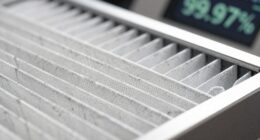
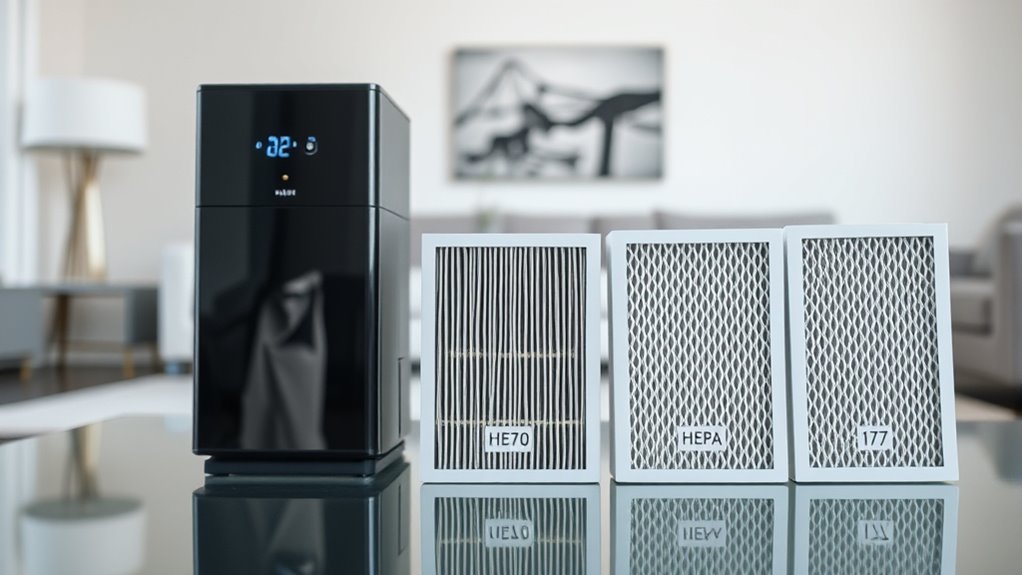
If you’re choosing an air purifier, higher HEPA ratings mean better filtration and cleaner air. But before assuming that the highest rating is always your best option, it’s vital to understand what these ratings truly signify. HEPA, or High-Efficiency Particulate Air filters, are rated based on their ability to trap particles of a specific size, usually 0.3 microns. A higher HEPA rating indicates a more stringent filtration process, capturing a greater percentage of airborne pollutants like dust, pollen, pet dander, and even some bacteria. This improves air purifier efficiency, especially if you live in an area with high pollution levels or have allergies.
Higher HEPA ratings mean better filtration, but maintenance and room size are also key for optimal air purifier performance.
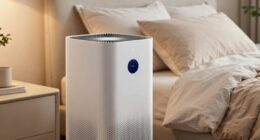
However, keep in mind that a higher HEPA rating doesn’t automatically mean your air purifier will perform better in all situations. These devices also depend on factors like airflow, filter quality, and maintenance. For example, a unit with a very high HEPA rating but poor airflow may not circulate the air efficiently, reducing its overall effectiveness. Conversely, a slightly lower-rated filter that’s well-maintained and properly matched to your room size can outperform a high-rated filter that’s neglected or incompatible with your space.
When considering higher HEPA ratings, it’s also vital to pay attention to filter maintenance tips. Even the best filters lose their efficiency over time as they trap particles and become clogged. Regular filter replacement or cleaning, as recommended by the manufacturer, helps maintain top-tier air purifier efficiency. Neglecting filter maintenance can lead to reduced filtration performance, increased energy consumption, and even potential damage to the unit. Check the user manual for specific guidelines on when to replace filters, which can vary from every few months to annually depending on usage and air quality.
It’s tempting to go for the highest HEPA rating available, but it’s wise to balance that choice with your needs, room size, and ongoing maintenance. A high HEPA rating is beneficial if you’re dealing with severe allergies or asthma, but it’s not the only factor to think about. Proper filter maintenance tips, such as regular checks and timely replacements, ensure that your air purifier continues to perform at its best. Remember, an efficient air purifier isn’t just about the rating — it’s about how well it integrates into your environment and how diligently you care for it. Additionally, understanding the importance of filter maintenance can significantly impact the longevity and effectiveness of your air purifier.
Frequently Asked Questions
Do Higher HEPA Ratings Impact Energy Consumption?
Higher HEPA ratings can slightly impact energy consumption because they often require more powerful fans to push air through denser filters, which may reduce energy efficiency. However, the effect is usually minimal if your system is well-designed. Keep in mind that higher-rated filters may also have a longer filter lifespan, reducing the need for frequent replacements and balancing out any increased energy use over time.
Are Higher HEPA Ratings Necessary for Everyday Home Use?
You might wonder if higher HEPA ratings are necessary for home use. The truth is, most everyday environments don’t demand the maximum filtration; a good quality HEPA filter with proper air purifier design often suffices. Keep in mind, higher ratings may mean more frequent filter replacements and increased energy use. So, assess your needs carefully—sometimes, a well-maintained, moderately rated filter provides clean air without the extra cost or effort.
Can Higher HEPA Ratings Cause More Noise?
Higher HEPA ratings can cause more noise because these filters often require stronger fans to operate effectively, increasing noise levels. You might notice your device becoming louder, which can be bothersome in quiet spaces. However, higher-rated filters are usually more durable, ensuring better performance over time. If noise is a concern, look for models designed with quieter fans or soundproofing features to balance filtration efficiency and comfort.
Do Higher HEPA Ratings Improve Allergy Relief?
Higher HEPA ratings can improve allergy relief by capturing smaller particles like pollen and pet dander, as shown in a case study where allergy sufferers experienced fewer symptoms. They enhance air quality, but the filter lifespan might decrease with higher ratings, requiring more frequent replacements. If you’re sensitive to airborne allergens, opting for a higher HEPA rating can be beneficial, but consider maintenance to guarantee peak performance.
Are Higher HEPA Ratings More Expensive to Maintain?
Higher HEPA ratings often cost more to maintain because they require specialized filters that can be pricier to replace. You’ll want to think about the cost considerations of frequent filter replacements, which can add up over time. While a higher rating might offer better filtration, it’s essential to balance the initial investment and ongoing expenses to ensure it fits your budget and cleaning needs.
Conclusion
While higher HEPA ratings can mean better filtration, they aren’t always the best choice for everyone. You need to think about your specific needs, your space, and your air quality challenges. Don’t assume that the highest rating is always the right fit. Instead, compare, evaluate, and choose based on your situation. Because a higher HEPA rating isn’t just about filtration, but about matching your air quality goals with your actual needs.