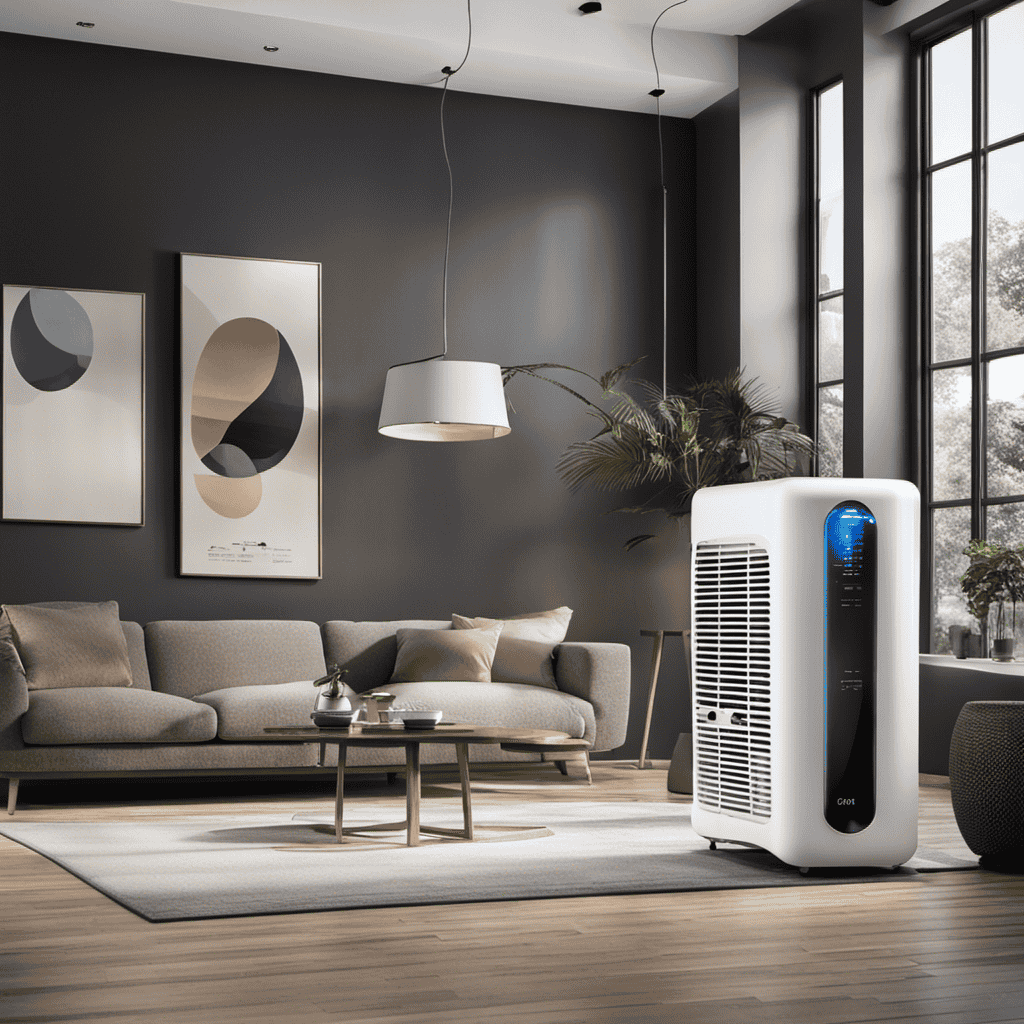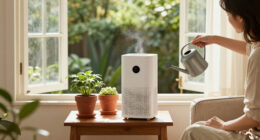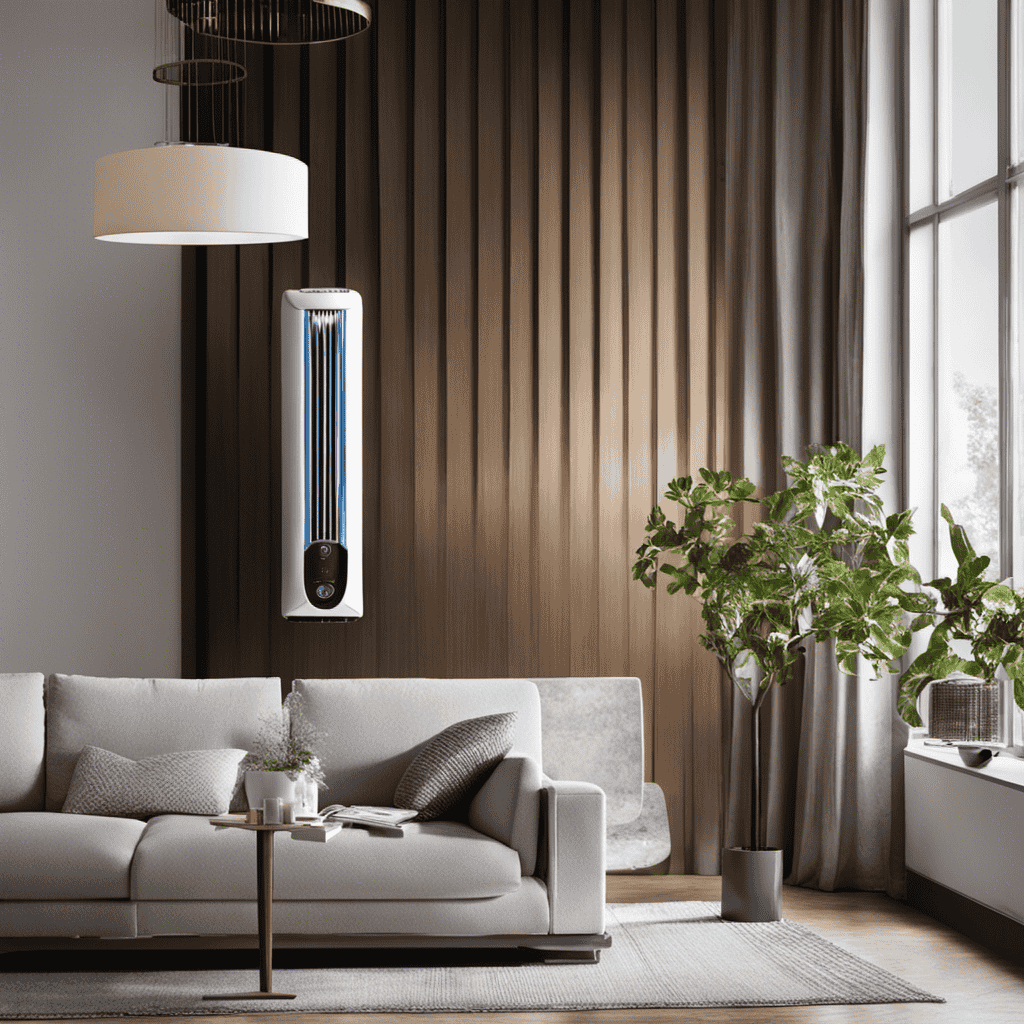
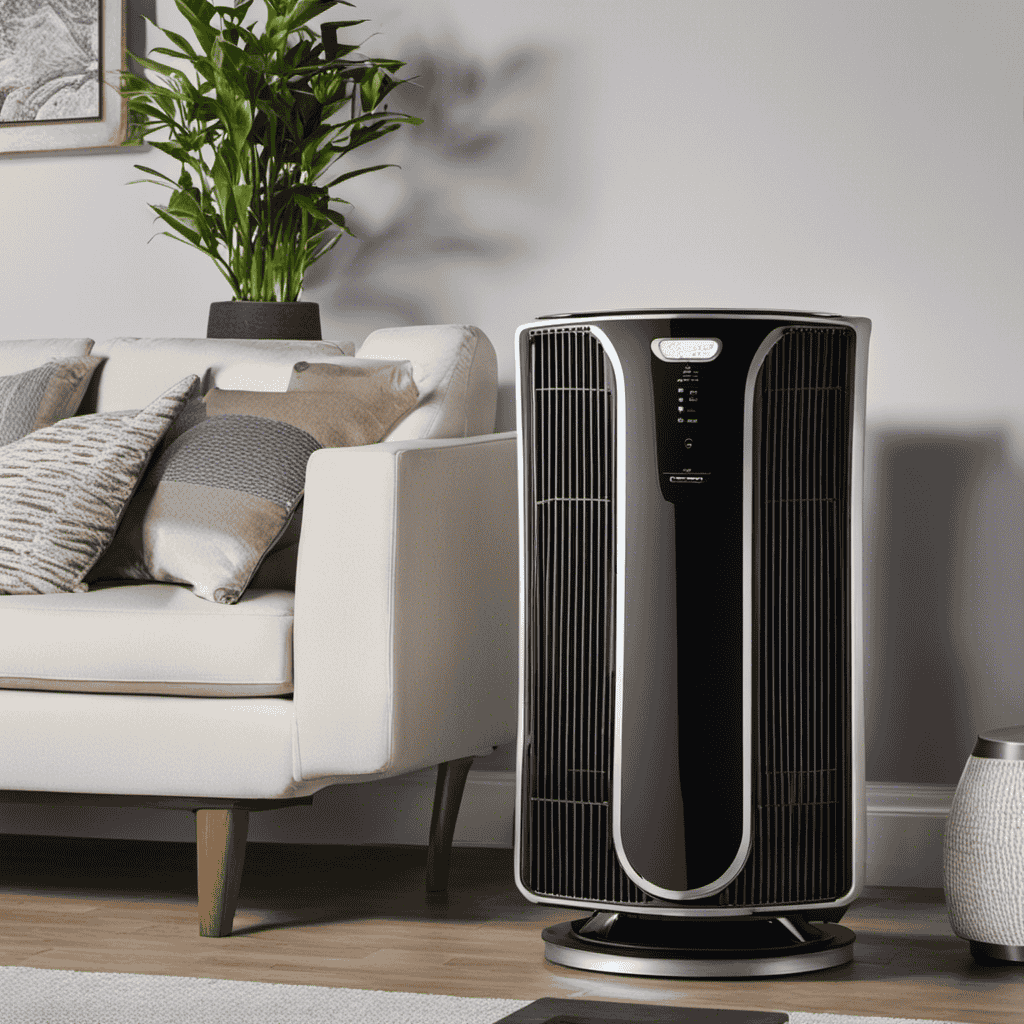
As someone who is passionate about air purifiers, I have always been intrigued by how these devices function to enhance the air quality in our homes. It is truly impressive how such a small, portable machine can efficiently eliminate pollutants and allergens from the air we inhale.

Get garden gear delivered free — and shop member deals
- Fast, free delivery on millions of items
- Access to Prime Big Deal Days deals on October 6–7
- Prime Video, Amazon Music and more included
In this article, we will delve into the intricate workings of an air purifier, exploring the basic components, the role of filters, and the various types of air purification technologies.
So, let’s dive in and unravel the secrets behind how an air purifier works.
Key Takeaways
- Air purifiers improve indoor air quality by filtering and capturing pollutants such as dust, pollen, pet dander, and volatile organic compounds (VOCs).
- The components of an air purifier include filters (such as HEPA filters) to trap particles, a fan to circulate the air, sensors to detect pollutants, and indicators to alert when filters need replacement or cleaning.
- Air purifiers use various methods, such as HEPA filters, activated carbon filters, and UV-C light technology, to remove pollutants and create a healthier environment.
- Understanding factors like filter media, size, and airflow rate is crucial for choosing the right filter for optimal air quality improvement.
The Importance of Air Purification
One of the most important reasons why I use air purifiers is because they can help improve indoor air quality. Clean air is essential for our health and well-being, and air purifiers play a crucial role in achieving this.
The benefits of clean air are numerous – it reduces the risk of respiratory problems, allergies, and improves overall comfort. Indoor air can be contaminated by various pollutants such as dust, pet dander, pollen, mold spores, and volatile organic compounds (VOCs) from household products. These pollutants can cause irritation, breathing difficulties, and even long-term health issues.
Air purifiers work by filtering the air and capturing these pollutants, ensuring that the air we breathe is clean and healthy. By removing common indoor pollutants, air purifiers create a safer and more comfortable environment for us to live in.
Understanding the Basic Components of an Air Purifier
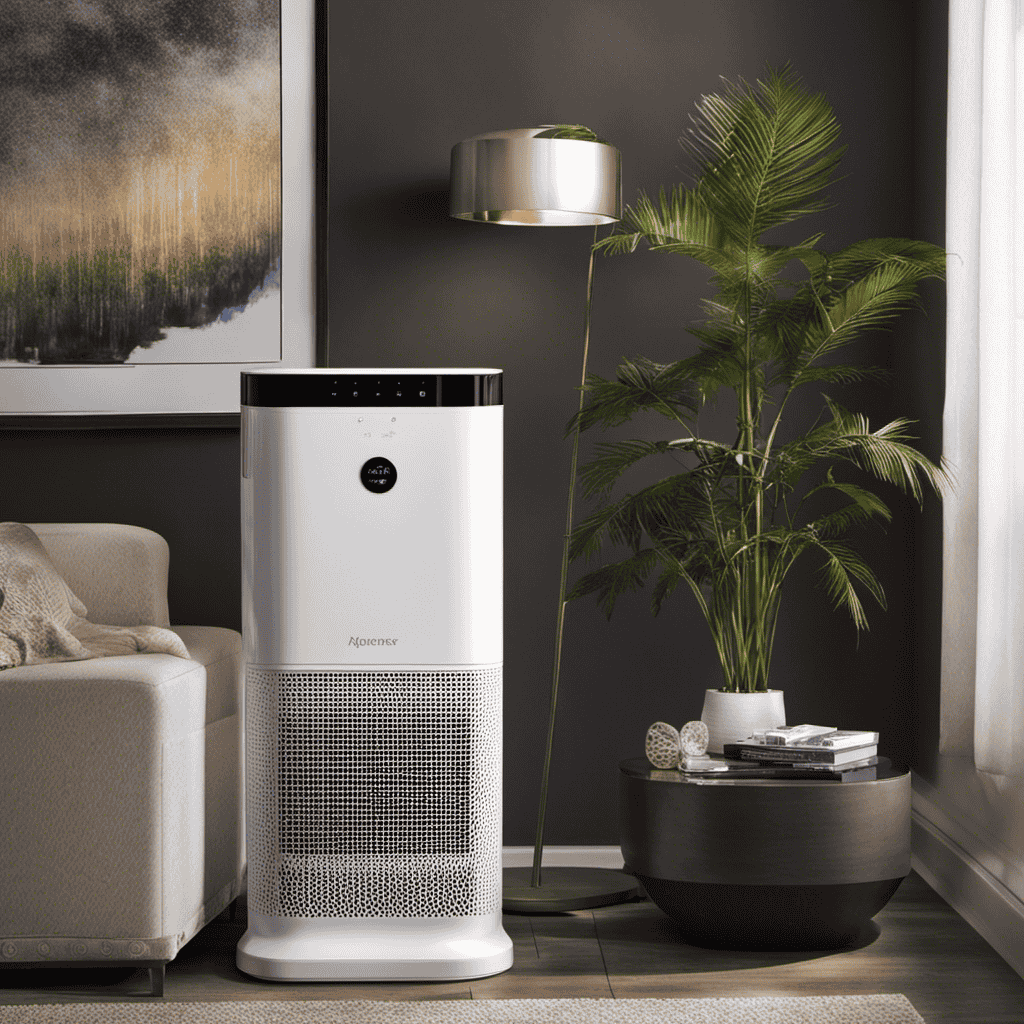
To understand the basic components of an air purifier, it’s important to know how it functions. Air purifiers work by removing contaminants from the air, improving indoor air quality.
Here are the three key components of an air purifier:
-
Filters: Air purifiers typically have one or more filters that capture and trap particles such as dust, pollen, pet dander, and smoke. High-efficiency particulate air (HEPA) filters are commonly used due to their ability to remove 99.97% of particles as small as 0.3 microns.
-
Fan: The fan in an air purifier helps to circulate the air, drawing it through the filters and pushing clean air back into the room. The fan speed can usually be adjusted to accommodate different room sizes and air quality needs.
-
Sensors and Controls: Many modern air purifiers are equipped with sensors that detect pollutants in the air. These sensors provide feedback to the purifier’s controls, allowing it to automatically adjust its operation to maintain optimal air quality. Some air purifiers also feature indicators or monitors that alert the user when filters need to be replaced or cleaned.
Understanding air purification and proper air purifier maintenance is crucial for ensuring clean and healthy indoor air. Regularly cleaning or replacing filters, keeping the purifier in a well-ventilated area, and following manufacturer’s instructions are essential for effective air purifier operation.
How Does an Air Purifier Remove Pollutants From the Air
The key components of an air purifier, such as filters and sensors, help in removing pollutants from the air. Air purifiers use various methods of air purification to achieve this.
One common method is through the use of HEPA filters, which can trap tiny particles as small as 0.3 microns, including dust, pollen, and pet dander. Another method is through activated carbon filters, which absorb odors, gases, and chemicals. Some air purifiers also use UV-C light technology to kill bacteria and viruses in the air.
By utilizing these methods, air purifiers can provide numerous benefits, including improving indoor air quality, reducing allergy symptoms, and creating a cleaner and healthier living environment.
Now, let’s explore the role of filters in air purification.
The Role of Filters in Air Purification
Filters play a crucial role in purifying the air by trapping pollutants and improving indoor air quality. The efficiency of a filter determines its ability to capture and remove harmful particles from the air. Here are three key factors that determine filter efficiency:
-
Filter Media: Different types of filters use various materials, such as fiberglass, pleated paper, or activated carbon, to capture specific pollutants. The quality and density of the filter media determine its effectiveness in trapping particles of different sizes.
-
Filter Size: The size of the filter determines the surface area available for capturing pollutants. Larger filters with more surface area can trap a higher volume of particles, improving air quality.
-
Airflow Rate: The rate at which air passes through the filter affects its efficiency. Filters with a higher airflow rate can capture more particles, but they may have a lower overall efficiency.
Understanding these factors is essential for choosing the right filter to achieve optimal air quality improvement.
In the following section, we will explore different types of air purification technologies.
Different Types of Air Purification Technologies
There are various types of air purification technologies available that can effectively improve indoor air quality. Two such technologies are ozone generators and UV germicidal lamps.
Ozone generators work by producing ozone, a highly reactive form of oxygen that can eliminate odors, kill bacteria, and break down volatile organic compounds. However, it is important to note that ozone can be harmful to humans and pets in high concentrations, so proper usage and ventilation are crucial.
On the other hand, UV germicidal lamps use ultraviolet light to destroy the DNA of microorganisms, such as bacteria and viruses, rendering them unable to reproduce and infect the air. These lamps are commonly used in HVAC systems and are effective in reducing airborne pathogens.
When it comes to choosing an air purification technology, it is essential to consider the specific needs and requirements of the indoor environment.
Frequently Asked Questions
Can an Air Purifier Completely Eliminate All Pollutants From the Air?
An air purifier cannot completely eliminate all pollutants from the air due to its limitations. However, it plays a crucial role in improving indoor air quality by filtering out a significant amount of harmful particles and allergens.
How Often Should I Change the Filters in My Air Purifier?
I change the filters in my air purifier regularly to maintain its efficiency. Depending on the manufacturer’s recommendation, it’s usually every 3-6 months. Proper air purifier maintenance ensures optimal performance and clean air.
Can an Air Purifier Remove Odors From the Air?
Yes, an air purifier can remove odors from the air. It uses filters to trap and eliminate particles, including odor-causing molecules. Regular maintenance is key to ensuring its effectiveness and enjoying the benefits of clean, fresh air.
Are Air Purifiers Effective in Reducing the Spread of Airborne Viruses and Bacteria?
Air purifiers can effectively reduce the spread of airborne viruses and bacteria. They work by trapping and filtering these particles, thus improving respiratory health. The benefits of using air purifiers for respiratory health are numerous.
Do Air Purifiers Consume a Lot of Energy?
Air purifiers surprisingly consume minimal energy, making them an energy-efficient option. However, it’s important to consider the overall environmental impact of air purifiers, including the materials used and potential waste generated.
What Are the Key Mechanisms Behind Air Purifier’s Functionality?
The air purifier operation explanation is based on several key mechanisms. These include the use of filters to capture particles, UV light to kill bacteria and viruses, and activated carbon to adsorb odors and gases. Additionally, some models use ionizers to neutralize airborne pollutants for a more effective air purification process.
Conclusion
In conclusion, air purifiers play a vital role in improving indoor air quality. By utilizing various purification technologies and filters, these devices effectively remove pollutants and allergens from the air we breathe.
They act as guardians, shielding us from harmful particles and maintaining a healthy living environment. Just like a knight in shining armor, an air purifier fights the battle against air pollutants, ensuring that we can breathe easier and live a happier, healthier life.
Fall yard work Picks
leaf blowers
As an affiliate, we earn on qualifying purchases.