
To optimize your HVAC for microplastic and nanoplastic reduction, upgrade to HEPA filters, which trap particles as small as 0.3 microns, and add multiple filtration stages for better removal. Guarantee ducts are properly sealed and made from smooth, non-porous materials to prevent leaks and ease cleaning. Incorporate advanced tech like electrostatic precipitators for extra filtration. Regular maintenance, including filter replacements and duct cleaning, keeps your system working efficiently—learn how to maximize these strategies for healthier indoor air.
Listen free for 30 days with Audible
Thousands of audiobooks and originals — cancel anytime.
As an affiliate, we earn on qualifying purchases.
Key Takeaways
- Upgrade to HEPA filters and implement multiple filtration stages to effectively capture microplastics and nanoplastics indoors.
- Ensure duct systems are properly sealed with smooth, non-porous materials to prevent contamination and re-circulation of particles.
- Regularly inspect and clean ducts to remove dust and microplastic buildup, maintaining optimal airflow and filtration efficiency.
- Incorporate advanced technologies like electrostatic precipitators for enhanced removal of ultrafine particles.
- Maintain proper system operation and filter replacement schedules to sustain high performance in reducing microplastic pollutants.

As concerns about microplastics and nanoplastics in the environment grow, optimizing HVAC systems offers a promising way to reduce their indoor presence. These tiny particles can easily become airborne through everyday activities, settling into carpets, fabrics, and even being inhaled. To combat this, focusing on air filtration and duct design becomes essential. You need to ensure your HVAC system effectively captures these particles before they circulate throughout your space.
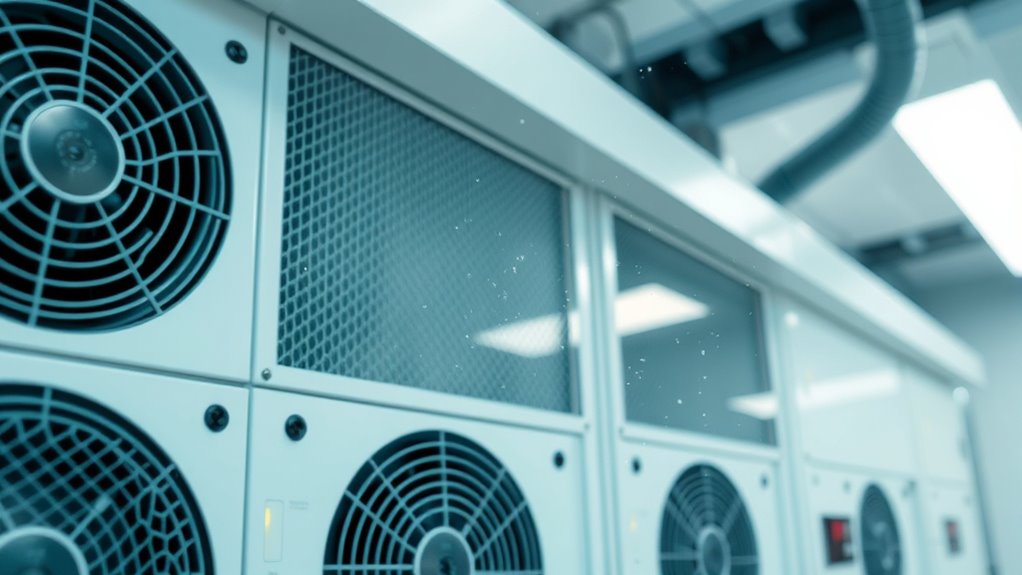
Start with air filtration. Standard filters may not be sufficient to trap microplastics and nanoplastics, which are often smaller than the pores of typical filters. Upgrading to high-efficiency particulate air (HEPA) filters or specialized filters designed for fine particles can significantly improve indoor air quality. These filters are capable of capturing particles as small as 0.3 microns, which includes many microplastics and nanoplastics. Regularly replacing or maintaining these filters is crucial; clogged filters lose efficiency and can even become sources of contamination if not properly managed. Consider incorporating multiple filtration stages—first a pre-filter to capture larger debris, followed by a HEPA filter for finer particles—to maximize removal efficiency.
Upgrade to HEPA filters and add multiple filtration stages for better microplastic removal indoors.
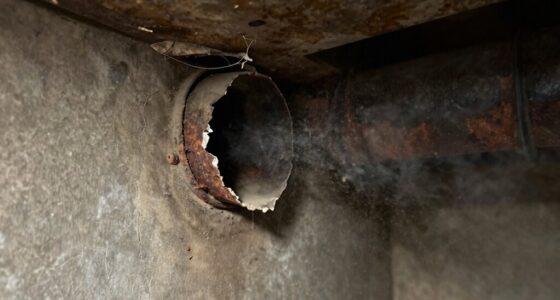
Duct design also plays a vital role. Poorly designed or poorly sealed ducts can allow particles to settle in corners and corners, or even re-enter your indoor air when the system cycles on. Ensuring your ducts are properly sealed prevents leaks that could introduce external microplastic sources or allow contaminated dust to re-circulate. Additionally, designing ducts for smooth airflow reduces turbulence, which can stir up settled particles, keeping microplastics suspended in the air longer. Installing access points for regular inspection and cleaning further enhances the system’s ability to maintain a low level of airborne particles. Consider using duct materials that are less prone to trapping dust and microplastics, such as smooth, non-porous surfaces, which are easier to clean and less likely to harbor contaminants.
Furthermore, integrating advanced filtration technologies such as electrostatic precipitators can provide an additional layer of removal for ultrafine particles, further improving indoor air quality. Combining effective air filtration with thoughtful duct design creates a robust system that minimizes microplastic and nanoplastic circulation indoors. You’ll notice cleaner air, and over time, a reduction in potential health risks associated with inhaling these tiny particles. Regular maintenance—changing filters, inspecting ducts, and ensuring airtight seals—keeps the system functioning at peak performance. By paying attention to these details, you’re not just improving air quality but also taking proactive steps to protect yourself and your environment from the increasing threat of microplastics and nanoplastics.
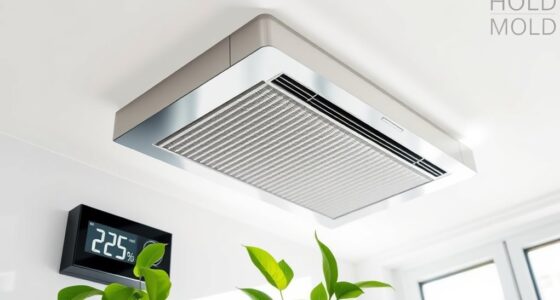
HEPA air purifier for microplastic removal
As an affiliate, we earn on qualifying purchases.
As an affiliate, we earn on qualifying purchases.
Frequently Asked Questions
Can HVAC Filters Completely Eliminate Microplastics From Indoor Air?
HVAC filters can’t completely eliminate microplastics from indoor air, but they substantially reduce them through air filtration. High-quality filters, like HEPA, excel at particle capture, trapping many microplastic particles. To improve air quality, make sure your filters are regularly replaced and consider upgrading to filters designed for microplastic removal. While no filter is perfect, proper maintenance and advanced filtration systems greatly lessen microplastic presence indoors.
How Often Should HVAC Filters Be Replaced to Reduce Microplastics Effectively?
You should replace your HVAC filters every 1 to 3 months to maintain ideal filter lifespan and effectively reduce microplastics. Regular replacement prevents clogging and ensures the filter captures tiny particles. If your home has high microplastic levels or you notice reduced airflow, consider changing filters more frequently. Consistent replacement is key to minimizing indoor microplastic contamination and keeping your indoor air healthier.
Do Different HVAC Systems Vary in Microplastic Removal Efficiency?
It’s ironic, but yes—different HVAC systems vary in microplastic removal efficiency. You might think all filters are created equal, but airflow dynamics and filter material effectiveness differ widely. Some systems handle tiny particles better thanks to advanced filter designs or higher-grade materials, while others let more microplastics slip through. So, if reducing microplastics matters, upgrading your system or choosing one with superior airflow management makes a real difference.
Are There Specific Filters Designed to Target Nanoplastics?
Yes, there are filters designed specifically for nanoplastic filtration. HEPA filters with high efficiency can capture particles as small as 0.3 microns, but for nanoplastics, you need filters with ultra-fine capabilities, like those using advanced membrane technology. These filters enhance HEPA efficiency in trapping nanoplastics, ensuring cleaner indoor air. Regular maintenance and upgrading to specialized nanoplastic filters can markedly reduce microplastic and nanoplastic presence in your environment.
What Are the Cost Implications of Upgrading HVAC for Microplastic Removal?
Upgrading your HVAC system for microplastic removal involves initial installation costs that can vary based on filter type and system compatibility. You’ll also face ongoing maintenance costs to replace filters and guarantee ideal performance. While the upfront investment might be significant, it can improve indoor air quality over time and reduce health risks. Budgeting for both the initial installation and regular maintenance helps you plan effectively for these enhancements.
Conclusion
By optimizing your HVAC system, you’re taking a essential step toward reducing microplastic and nanoplastic exposure. But the journey doesn’t end here—there’s more to uncover about how these tiny particles affect your health and environment. Stay alert, because as research advances, new solutions will emerge, revealing the full potential of your efforts. Are you ready to be part of this critical change? The future of cleaner air might just depend on what you do next.
Fall Picks
fall essentials
As an affiliate, we earn on qualifying purchases.