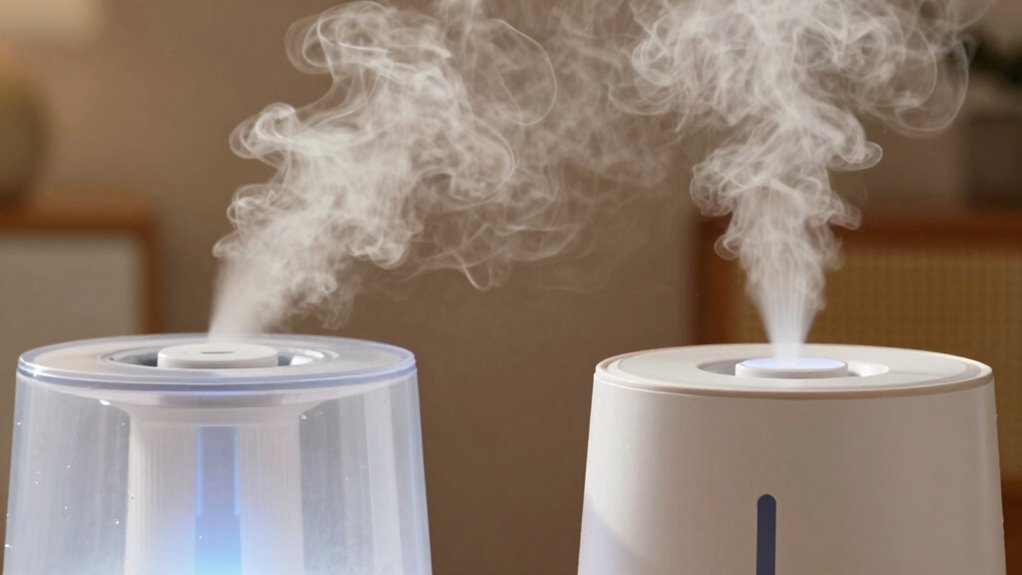
If you’re choosing between steam and evaporative humidifiers, you should consider how they work and what fits your needs. Steam models quickly add sterile, pure vapor, but use more energy and pose a burn risk. Evaporative units are safer, more energy-efficient, and naturally control humidity, but may be less effective in very dry conditions. You’ll find the right fit based on your priorities for safety, efficiency, and how fast you need humidity. Keep exploring to see which option suits you best.

Get garden gear delivered free with Prime
- Fast, free delivery on millions of items
- Prime Video, Amazon Music and more included
- Member-only deals all year
Key Takeaways
- Steam humidifiers quickly increase humidity and produce sterile vapor, while evaporative units provide a gradual, natural increase through evaporation.
- Steam models are energy-intensive and involve boiling water, whereas evaporative humidifiers are more energy-efficient and safer.
- Steam humidifiers offer precise humidity control and reduce bacteria, making them suitable for quick relief and clean air.
- Evaporative units require regular maintenance to prevent mold and bacteria, but they generally pose less safety risk.
- Choice depends on priorities: rapid sterilization and control versus energy savings and safety.
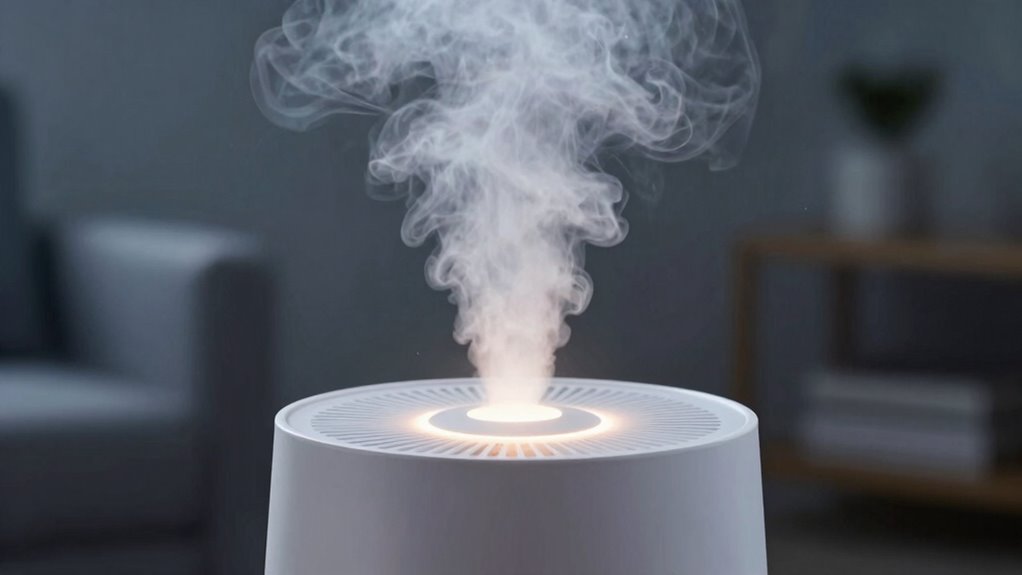
Have you ever wondered which humidification method is best for your needs—steam or evaporative? The choice can considerably impact your indoor air quality and energy efficiency, making it worth understanding the core differences. Both methods aim to add moisture to the air, but they do so in distinct ways that affect how well they work in your space.
Steam humidifiers heat water until it turns into steam, releasing it into the air. This process quickly raises humidity levels and can kill bacteria and mold in the water tank, enhancing indoor air quality. Because steam humidifiers produce pure, sterile vapor, they’re often preferred in environments where maintaining clean, healthy air is critical. However, they tend to consume more energy since they need to heat water to boiling temperatures, which can lead to higher utility bills over time. If energy efficiency is a priority for you, this method might feel less appealing, especially if you need to run the humidifier frequently.
Steam humidifiers quickly increase humidity and kill bacteria but consume more energy.
On the other hand, evaporative humidifiers work by passing air through a moistened wick or filter, causing water to evaporate naturally into the room. This method relies on the natural process of evaporation, making it generally more energy-efficient than steam units. Since they don’t require heating, evaporative humidifiers use less power, which can lower your overall energy costs. They also tend to be safer because they don’t involve boiling water, reducing the risk of burns or accidents. However, because they rely on evaporation, their ability to rapidly increase humidity is more limited, and they require regular maintenance to prevent mold or bacterial growth on the wick or filter. Additionally, evaporative humidifiers may be less effective in very dry environments or during winter months when indoor air is especially arid. Proper maintenance and choosing the right device can help optimize their performance and prevent potential issues related to indoor air quality.
In terms of indoor air quality, both methods can improve comfort by reducing dryness that causes respiratory irritation or dry skin, but steam humidifiers often provide a more consistent and controllable humidity level. Evaporative units, while energy-efficient, may need more frequent adjustments to keep humidity levels stable. If you’re concerned about energy consumption, an evaporative humidifier can be a smart choice, but if you prioritize rapid, sterile humidification, a steam model might suit your needs better. Understanding the differences in operation between these types can help you make a more informed decision based on your specific needs. Notably, maintenance requirements vary significantly and can influence long-term performance and indoor air quality. Considering the cost implications of each system can also be important when making your selection.
Ultimately, your decision depends on balancing your priorities for indoor air quality and energy efficiency. Consider how much humidity you need, how often you’ll use the device, and your budget for energy costs. Both methods have their advantages, but understanding their differences helps you choose the right one for your home or office.
steam humidifier with sterilization
As an affiliate, we earn on qualifying purchases.
As an affiliate, we earn on qualifying purchases.
Frequently Asked Questions
Which Humidification Method Is More Energy-Efficient?
Evaporative humidifiers are more energy-efficient than steam models because they consume less energy during operation. They use natural evaporation, which doesn’t require heating water, leading to lower energy consumption. When considering the cost comparison, evaporative units typically have lower operating costs over time. If you want to save on energy and costs, opting for an evaporative humidifier is a smarter choice, especially for long-term use.
How Often Should Each Humidifier Type Be Cleaned?
Did you know that neglecting humidifier cleaning can spread germs? For steam and evaporative humidifiers, follow a regular maintenance schedule. Clean them every 1-2 weeks to prevent mold and bacteria buildup. For steam units, change the water daily if used continuously. Evaporative models need thorough cleaning every two weeks, ensuring filters and reservoirs stay fresh. Consistent cleaning frequency keeps your humidifiers safe and running efficiently.
Are There Specific Health Conditions That Favor One Method?
If you have allergies or dry skin, choosing between steam and evaporative humidifiers depends on your needs. Steam humidifiers, which heat water to produce pure, bacteria-free vapor, can offer quicker allergy relief and better skin hydration. Evaporative models are gentler and less likely to cause over-humidification. Consider your health conditions and skin needs to decide which method supports your comfort best.
Can Both Types Effectively Humidify Large Rooms?
They say, “Big things come in small packages,” but both steam and evaporative humidifiers can effectively cover large rooms. Steam models often provide better humidity consistency and faster results, making them ideal for large spaces. Evaporative units also work well, offering steady humidity, but may need more frequent refilling. Your choice depends on your room size and how quickly you want consistent humidity.
What Is the Typical Lifespan of Each Humidifier Type?
You can expect a steam humidifier to last about 10 years with proper humidifier maintenance, while evaporative models typically last 5 to 10 years. The cost comparison shows steam units are usually more expensive upfront but may require less frequent replacement. Regular cleaning and maintenance extend each humidifier’s lifespan, ensuring you get the most out of your investment and maintain ideal humidification performance over time.
Conclusion
Choosing between steam and evaporative humidification depends on your needs, but did you know that humidifiers can increase indoor humidity levels by up to 50%? This boost can notably improve sleep quality and reduce respiratory issues. Whether you opt for the quick, powerful steam method or the steady, natural evaporative approach, understanding their differences helps you make an informed decision. Ultimately, the right humidifier keeps your air comfortable and healthy all year round.
Fall yard work Picks
leaf blowers
As an affiliate, we earn on qualifying purchases.