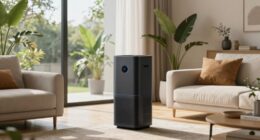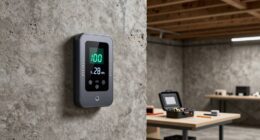
To manage air quality during pandemics, ensure proper ventilation with high air exchange rates, use negative or positive pressure rooms as needed, and install HEPA filters to trap airborne particles. Regularly monitor air quality metrics like particulate levels and humidity to make quick adjustments. Proper staff training on system use and maintenance is vital for ongoing effectiveness. Keeping these measures in place helps reduce airborne transmission and creates a safer hospital environment—learn the key strategies to implement.
Key Takeaways
- Implement targeted ventilation strategies, including negative and positive pressure rooms, to control airflow and contain airborne pathogens.
- Utilize high-efficiency HEPA filters and advanced technologies like UVGI to effectively neutralize airborne infectious agents.
- Continuously monitor air quality parameters such as particulate levels, humidity, and CO₂ to ensure optimal system performance.
- Maintain regular system maintenance and timely filter replacements to sustain high filtration efficacy.
- Educate healthcare staff on proper operation and importance of ventilation and filtration systems to enhance infection control.
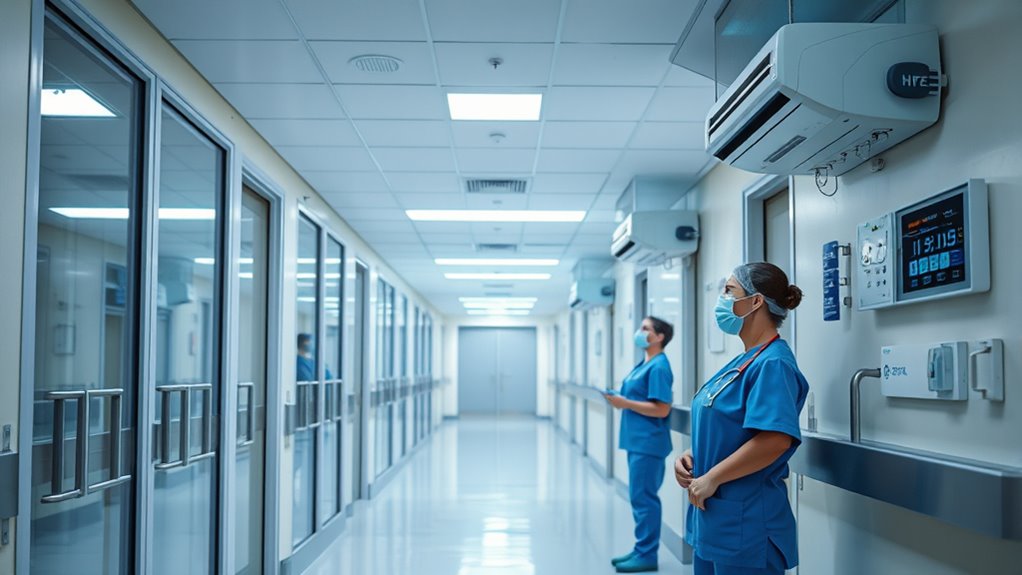
Ensuring good air quality in hospitals is essential for patient safety and staff well-being. During pandemics, this becomes even more critical as infectious agents can spread rapidly through airborne particles. To combat this, you need to prioritize effective ventilation strategies and advanced filtration systems. These measures help dilute and remove contaminants, reducing the risk of transmission inside hospital environments. Proper ventilation strategies involve optimizing airflow patterns to direct potentially contaminated air away from patient areas and staff workspaces. You should consider increasing the number of air exchanges per hour, especially in high-risk zones like isolation rooms and emergency departments. This can be achieved through the use of mechanical ventilation systems that are carefully calibrated to maintain positive or negative pressure, depending on the room’s purpose. For instance, negative pressure rooms prevent airborne pathogens from escaping into hallways, protecting other hospital areas. Meanwhile, positive pressure rooms keep contaminants out of spaces where immunocompromised patients are cared for. Along with strategic airflow management, filtration systems are indispensable components in maintaining air quality. High-efficiency particulate air (HEPA) filters are particularly effective at capturing airborne particles, including viruses and bacteria, down to very small sizes. Installing HEPA filters in ventilation units ensures that the air circulating within hospital spaces is continuously cleaned. You should also consider upgrading existing filtration systems to more advanced options, such as ultraviolet germicidal irradiation (UVGI) or bipolar ionization, which can further neutralize airborne pathogens. Regular maintenance and filter replacement are essential to sustain the efficacy of these systems, especially during a pandemic when the volume of potentially contaminated air increases. Additionally, integrating air filtration systems and real-time air quality monitoring can help you assess the effectiveness of your ventilation strategies and filtration systems. Sensors that track particulate levels, humidity, and carbon dioxide concentrations provide immediate feedback, allowing you to make necessary adjustments promptly. Training staff on the importance of these systems and proper operation ensures that everyone understands their role in maintaining a safe environment. In essence, your success in managing air quality during pandemics hinges on a combination of well-designed ventilation strategies and robust filtration systems. These measures work together to minimize airborne transmission risks, protect vulnerable patients, and create a safer hospital environment for everyone. By staying proactive and continuously optimizing your systems, you can substantially reduce the spread of infectious diseases and uphold the highest standards of safety and care.
Frequently Asked Questions
How Do Hospitals Monitor Indoor Air Quality in Real-Time?
You can monitor indoor air quality in hospitals in real-time using indoor sensors connected to air quality monitoring systems. These sensors detect pollutants, CO2 levels, humidity, and other particles, providing continuous data. You should regularly review this information to identify any air quality issues promptly, ensuring a safe environment for patients and staff. Implementing these systems helps maintain ideal conditions and quickly address potential air quality concerns.
What Are the Most Effective Air Purification Technologies for Hospitals?
You should consider using HEPA filters and UV germicidal irradiation for effective hospital air purification. HEPA filters trap airborne particles, including viruses and bacteria, while UV germicidal irradiation inactivates pathogens directly. Together, these technologies create a safer environment by reducing airborne contaminants. Incorporate them into your HVAC systems or portable units to guarantee ideal air quality, especially during pandemics when controlling airborne infections is critical.
How Often Should Hospital HVAC Systems Be Maintained During a Pandemic?
In the blink of an eye, you should increase HVAC maintenance during a pandemic to guarantee peak infection control. Aim for weekly checks, focusing on ventilation standards and filter replacements, as well as duct cleaning. Regular inspections help prevent airborne pathogen spread and maintain air quality. Don’t forget to document all maintenance activities, because staying proactive is key to safeguarding patient and staff health during these critical times.
Can Portable Air Cleaners Replace Central Ventilation Systems in Hospitals?
Portable air cleaners can supplement COVID-19 mitigation efforts, but they shouldn’t replace central ventilation systems in hospitals. They help reduce airborne contaminants and improve air quality in specific areas, yet lack the capacity to manage overall hospital ventilation effectively. You should use them alongside, not instead of, robust central systems to guarantee thorough infection control and maintain safe indoor air standards during a pandemic.
What Are the Costs Associated With Upgrading Hospital Air Quality Systems?
Upgrading hospital air quality systems involves significant costs, including equipment, installation, and ongoing maintenance. You should conduct a thorough cost analysis to understand these expenses. Funding sources such as government grants, hospital budgets, or public health funds can help cover costs. Be prepared for variations depending on system complexity and size, and consider long-term savings through improved ventilation and infection control.
Conclusion
In managing hospital air quality during pandemics, your proactive efforts make a world of difference—quite literally, saving countless lives. By implementing effective ventilation, filtration, and hygiene protocols, you guarantee a safer environment that protects both patients and staff. Remember, your vigilance isn’t just important; it’s the backbone of pandemic resilience. Stay committed, because when it comes to health crises, your actions can be the difference between chaos and control—your role is truly critical.