To improve air quality in your co-working space, focus on proper ventilation by using high-efficiency HVAC systems and opening windows when possible. Add portable HEPA air purifiers near high-traffic areas to reduce pollutants and allergens. Use sensors to monitor air quality, humidity, and CO2 levels, and adjust airflow accordingly. Innovative technologies like UV-C sterilization and AI-driven solutions can further enhance safety. Keep exploring for more strategies to maintain a healthier, more productive environment.

Get garden gear delivered free with Prime
- Fast, free delivery on millions of items
- Prime Video, Amazon Music and more included
- Member-only deals all year
Key Takeaways
- Implement high-efficiency HVAC systems with outdoor air intake and filtration to ensure continuous fresh air circulation.
- Deploy portable HEPA and UV-C air purifiers in high-traffic or shared work areas for enhanced pollutant removal.
- Use real-time air quality sensors to monitor CO2, humidity, and pollutants, enabling responsive ventilation adjustments.
- Promote natural ventilation by opening windows when weather permits to supplement mechanical systems.
- Integrate smart building technologies for automatic airflow regulation based on occupancy and air quality data.
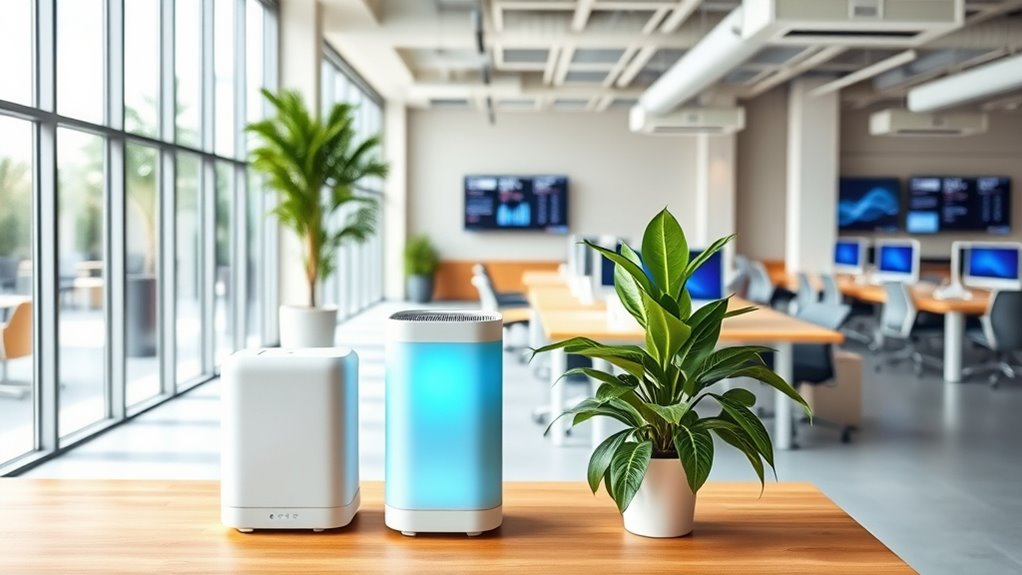
Maintaining good air quality in co-working spaces is essential for productivity and health, especially as more people work in shared environments. When you prioritize effective ventilation strategies and air purification, you create a space where everyone can focus and feel comfortable. Proper ventilation helps circulate fresh air, reducing the buildup of indoor pollutants and controlling humidity levels. You might consider installing high-efficiency HVAC systems that bring in outdoor air and filter it thoroughly, ensuring stale air doesn’t linger and that contaminants are minimized. Remember, though, that ventilation isn’t just about mechanical systems; opening windows when weather permits can also enhance air exchange, especially in smaller or less equipped spaces.
Good air quality in co-working spaces boosts health, productivity, and comfort through effective ventilation and air exchange.
Air purification plays a pivotal role in maintaining a healthy environment. HEPA filters, for example, are capable of capturing tiny particles like dust, allergens, and even some airborne bacteria or viruses. Investing in portable air purifiers for common areas and individual workstations can make a significant difference. These units continuously scrub the air, reducing the concentration of pollutants and creating a cleaner atmosphere. You should also consider the placement of purifiers to maximize their efficiency—near high-traffic zones or areas where people spend extended periods. Additionally, UV-C light air purifiers can target microbial contaminants, providing an extra layer of protection, especially during flu seasons or periods of increased illness.
Another key aspect is monitoring indoor air quality regularly. Using sensors and air quality monitors allows you to track pollutants, humidity, and CO2 levels, giving you real-time data to adjust ventilation and purification strategies accordingly. When CO2 levels rise, it’s a clear sign that you need to increase fresh air intake to prevent drowsiness and maintain alertness. Ensuring proper airflow distribution throughout the space prevents stagnant pockets of air, which can harbor bacteria or odors. You might also consider integrating smart building systems that automatically adjust ventilation rates based on occupancy and air quality data, making your space more responsive and efficient. Interestingly, recent AI discoveries have shown that AI can manipulate quantum particles and even discover new laws of physics, which could someday revolutionize environmental control technologies.
Incorporating these strategies isn’t just about compliance with health standards; it’s about creating an environment where people feel safe, energized, and productive. Good air quality reduces sick days, improves concentration, and enhances overall wellbeing. When you pay close attention to ventilation strategies and air purification, you’re investing in a healthier, more inviting workspace that benefits everyone who uses it.
portable HEPA air purifier for office
As an affiliate, we earn on qualifying purchases.
As an affiliate, we earn on qualifying purchases.
Frequently Asked Questions
How Do Air Purifiers Affect Energy Consumption in Co-Working Spaces?
Air purifiers do increase energy consumption in your co-working space, but choosing energy-efficient devices helps mitigate this impact. When selecting a device, look for models with high energy efficiency ratings and adjustable settings to optimize usage. Proper device placement and regular maintenance also ensure effective air cleaning without wasting power. By making informed choices, you can improve air quality while keeping energy costs manageable.
Are There Specific Air Quality Standards for Shared Work Environments?
Did you know that over 90% of people breathe indoor air that exceeds quality guidelines? In shared work environments, indoor air standards like ASHRAE 62.1 set acceptable levels for pollutants to keep everyone safe. You should follow shared environment regulations to guarantee good air quality, which helps prevent illnesses and boost productivity. Staying compliant with these standards demonstrates your commitment to a healthy, comfortable workspace for all occupants.
Can Plants Effectively Improve Indoor Air Quality in Co-Working Offices?
Indoor plants can effectively improve air quality in co-working offices through natural air purification. They absorb pollutants like volatile organic compounds and increase humidity, creating a healthier environment. By choosing plants known for their air-purifying properties, such as snake plants or pothos, you enhance air quality passively. Incorporating indoor plants is a simple, eco-friendly way to boost overall well-being and reduce airborne toxins in your shared workspace.
What Are the Maintenance Requirements for Air Quality Devices?
Think of your air quality device as a well-tuned instrument, requiring regular care. You need to replace filters as recommended, often every 3-6 months, to keep it performing at its best. Additionally, device calibration should be checked periodically to guarantee accuracy. Keep an eye on indicator lights and follow manufacturer guidelines for maintenance. By staying proactive, you’ll ensure your air remains fresh and healthy, just like a symphony in perfect harmony.
How Quickly Can Air Quality Solutions Show Measurable Improvements?
You’ll typically see measurable improvements in air quality within a few days after installing air quality solutions. As the devices work, you’ll notice real-time air quality feedback showing cleaner air and reduced pollutants. Keep in mind that consistent operation and proper maintenance enhance results, but most spaces experience noticeable changes quickly, giving you confidence that your investment is making a tangible difference in your environment’s health and safety.
Conclusion
By implementing these air quality solutions, you create a healthier, more productive environment for everyone. Don’t wait for a tragic plague to remind you of the importance of clean air—think of it as your modern-day Hippocratic oath. With proactive measures, you’re not just upgrading your space, you’re safeguarding your community’s well-being. Embrace these solutions today, and turn your co-working space into a sanctuary of fresh air and innovation.
Halloween Picks
halloween
As an affiliate, we earn on qualifying purchases.