
Your soft living room surfaces are hidden allergen traps that can worsen allergies and asthma without you noticing. Dust mites, pet dander, and mold thrive in cushions, rugs, and upholstered furniture, releasing tiny particles into the air that trigger symptoms. Regular deep cleaning, washing soft furnishings, and using allergen-proof covers help reduce allergen buildup. If you stay aware of these hidden hazards, you’ll discover more ways to keep your space healthier.
Prime for Young Adults — start your free trial
Fast free delivery, streaming and member deals for eligible 18–24 year olds.
As an affiliate, we earn on qualifying purchases.
Key Takeaways
- Soft surfaces like cushions and rugs harbor dust mites, pet dander, and mold that are invisible and hard to detect.
- Regular deep cleaning with HEPA-filtered vacuuming and washing reduces embedded allergens.
- Cushions and upholstery provide ideal environments for allergen buildup if not maintained properly.
- Using allergen-proof covers creates a barrier, preventing allergens from accumulating on soft furnishings.
- Hard surface furniture is easier to clean, minimizing allergen retention and reducing allergy triggers.

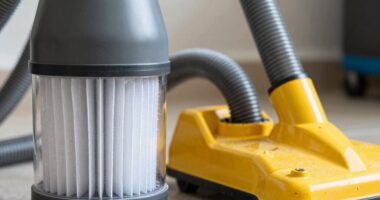
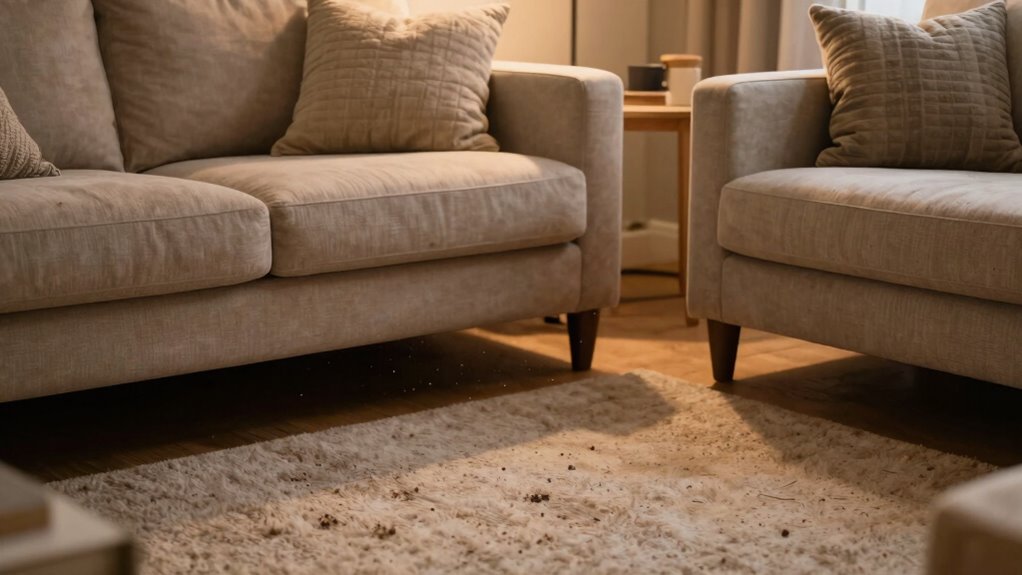
Soft surfaces in your living room, like cushions, rugs, and upholstered furniture, can harbor allergens such as dust mites, pet dander, and mold. These hidden culprits often go unnoticed but can markedly worsen allergy symptoms, especially if you spend a lot of time relaxing on these surfaces. Pet dander is a common allergen, and if you have pets, you’re likely familiar with how it clings to fabric and lingers in your furniture. Even if your pets aren’t in the room constantly, their dander can settle deep into cushions and carpets, becoming airborne when disturbed. Dust mites, microscopic creatures that thrive in warm, humid environments, also find soft surfaces ideal for thriving. They feed on dead skin cells shed by humans and pets, and their waste particles are potent allergens. Maintaining proper ventilation can help reduce humidity levels and limit dust mite growth. These allergens are tricky because they’re invisible to the naked eye and can accumulate over time without you realizing it. When you sit or lie down on cushions or rugs, you disturb this layer of dust mite debris and pet dander, releasing allergens into the air. Breathing in these particles can trigger sneezing, coughing, watery eyes, or even asthma flare-ups. If you’re already sensitive or allergic, these soft surfaces become a constant source of discomfort. Regular cleaning techniques such as deep cleaning with specialized equipment are necessary to effectively remove allergens embedded deep within soft furnishings. Cleaning methods that only surface-clean may not reach the deep layers where dust mites and pet dander hide. Using HEPA filters during vacuuming is highly effective because it traps tiny particles like dust mite waste and pet dander instead of redistributing them into the air. Washing cushion covers, slipcovers, and rugs frequently helps eliminate accumulated allergens, especially if they’re machine washable. If possible, choose furniture with hard surfaces that can be wiped clean easily. Using allergen-proof covers on cushions and mattresses can create a barrier that prevents dust mites and pet dander from penetrating deeply. Additionally, maintaining low humidity levels in your living room—around 30-50%—creates an environment less hospitable for dust mites.
HEPA vacuum cleaner for allergies
As an affiliate, we earn on qualifying purchases.
As an affiliate, we earn on qualifying purchases.
Frequently Asked Questions
Can Allergy Symptoms Worsen at Night in the Living Room?
Yes, your allergy symptoms can worsen at night in the living room. During sleep, your body is more sensitive, and your sleep environment can accumulate allergens like dust mites, pet dander, and mold on soft surfaces. As allergens build up overnight, they trigger more intense reactions. To reduce this, keep your living room clean, wash bedding regularly, and consider allergen-proof covers to improve your sleep quality and lessen symptoms.
Are Synthetic Fabrics More Allergenic Than Natural Ones?
Synthetic fabrics aren’t necessarily more allergenic than natural ones, but they can trap dust mites and allergens more easily. Synthetic fibers like polyester and nylon tend to hold onto allergens, while natural materials such as cotton and wool breathe better and resist trapping dust. If you’re allergy-prone, choosing natural materials for your soft surfaces might help reduce exposure, but keeping everything clean and allergen-free is essential regardless of fabric type.
How Often Should Soft Surfaces Be Cleaned to Prevent Allergies?
You should vacuum soft surfaces at least once a week to keep allergens at bay. For fabric maintenance, consider deep cleaning or washing cushions, throws, and curtains every 1-2 months, especially if you have allergies. Using a vacuum with a HEPA filter can trap more allergens. Regular cleaning reduces dust mites, pet dander, and mold, making your living room a healthier space and easing allergy symptoms.
Do Air Purifiers Effectively Reduce Allergens in Soft Furnishings?
Air purifiers do help reduce allergens in soft surface materials, but their effectiveness depends on proper maintenance and placement. You should regularly change filters and ensure the purifier is suitable for the room size. While they can’t eliminate all allergens hiding in cushions or carpets, they considerably improve air quality, making your living space healthier. Think of them as a helpful partner, working alongside regular cleaning to tackle soft surface allergy traps.
Can Allergies Be Triggered by Dust Mites in Soft Surfaces?
Yes, allergies can be triggered by dust mites in soft surfaces. To prevent this, you should focus on dust mite prevention by regularly cleaning soft surfaces like sofas, cushions, and carpets. Use thorough soft surface cleaning methods, such as vacuuming with a HEPA filter and washing fabrics frequently in hot water. These steps reduce dust mite populations, helping you breathe easier and lessen allergy symptoms caused by these tiny invaders.
Conclusion
Remember, you are what you surround yourself with—so keep your living room soft surfaces clean and allergen-free. Regular vacuuming, washing cushions, and choosing hypoallergenic options can make a big difference. Don’t wait until allergies take over; stay proactive. As the saying goes, “An ounce of prevention is worth a pound of cure.” By taking these simple steps, you’ll create a healthier, more comfortable space to breathe easy and enjoy.
Fall yard work Picks
leaf blowers
As an affiliate, we earn on qualifying purchases.