If you live near trees, you need to adopt different spring air habits because trees release pollen and debris that can quickly settle on your surfaces and enter your home. Regular cleaning, trimming overgrown branches, and installing filters on vents can substantially reduce indoor pollen levels. Timing outdoor activities and watering gardens help minimize airborne pollen. To protect your home’s air quality and your health, it’s essential to adjust your routine—more tips follow if you want to stay ahead of spring’s challenges.

Get garden gear delivered free with Prime
- Fast, free delivery on millions of items
- Prime Video, Amazon Music and more included
- Member-only deals all year
Key Takeaways
- Trees produce increased pollen in spring, requiring special cleaning and ventilation practices to maintain indoor air quality.
- Proper pruning reduces pollen dispersal and debris, minimizing allergy triggers and safety hazards around homes.
- Adjusting outdoor activities and using protective gear helps reduce pollen exposure near tree-rich areas.
- Installing pollen screens and regularly cleaning outdoor surfaces prevent pollen buildup and indoor infiltration.
- Routine tree maintenance and landscape management support healthier environments and reduce allergy-related issues.
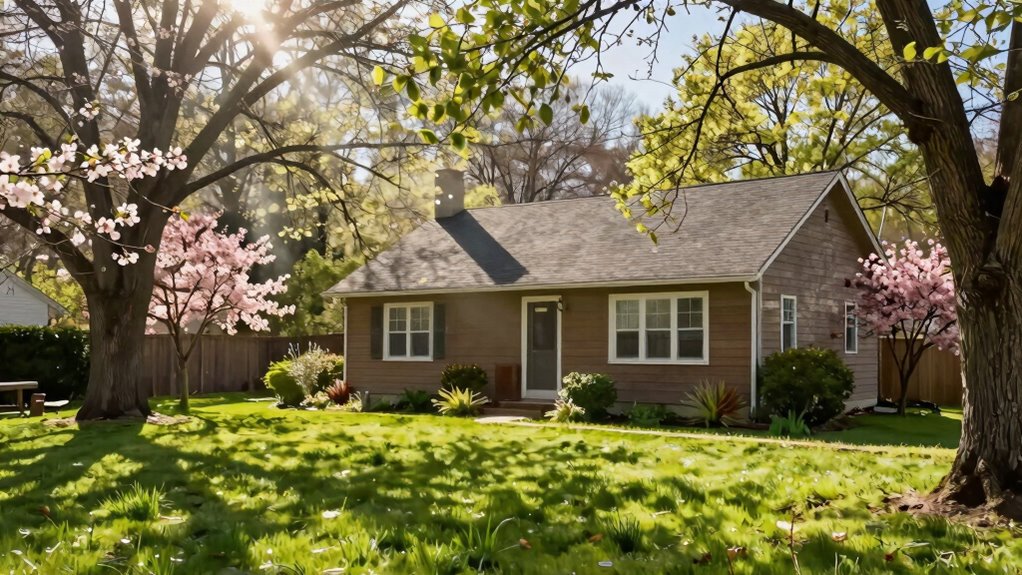
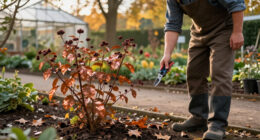
As spring arrives, homes near trees often experience a noticeable shift in the air quality and outdoor habits. The blooming season brings a surge of fresh air, but it also introduces challenges you need to address to keep your home comfortable and healthy. One of the most important steps is tree pruning. By trimming overgrown branches and removing dead limbs, you improve airflow around your property and reduce the risk of falling debris. Proper pruning also encourages healthier tree growth and diminishes the chances of pests and diseases that thrive in dense, unkempt canopies. When you prune your trees early in the season, you’re also helping to manage pollen levels, which can be a significant concern during spring.
Pruning trees early in spring boosts airflow, reduces debris, and helps manage pollen levels for a healthier home environment.
Pollen management becomes a critical part of your outdoor routine. Trees produce copious amounts of pollen during spring, and this airborne allergen can quickly settle on surfaces and drift into your home, aggravating allergies and respiratory issues. Regularly cleaning your outdoor spaces, including decks and gutters, helps prevent pollen buildup. Installing pollen screens or filters on vents and windows can further reduce indoor pollen infiltration. When you’re doing your spring cleaning, don’t forget to wash outdoor furniture, window sills, and any nearby plants to minimize pollen accumulation. These simple steps can significantly improve your indoor air quality without having to keep your windows closed all season.
Your outdoor habits will need adjustment to accommodate the increased pollen and the effects of tree growth. For example, timing outdoor activities to avoid peak pollen times—typically mid-morning or late afternoon—can help you breathe easier. Wearing masks or sunglasses when working outdoors offers additional protection from pollen particles. Additionally, watering your garden and surrounding landscape helps pollen settle quickly, reducing its presence in the air. You might also consider planting low-allergen plants or native species that produce less pollen, creating a more allergy-friendly environment around your home. Understanding tree growth patterns can help you better plan your pruning and maintenance routines to minimize pollen dispersal and enhance airflow.
Finally, maintaining a routine of outdoor cleaning and tree care is essential throughout spring. By keeping your trees well-pruned and managing pollen effectively, you create a healthier outdoor space and lessen the pollen’s impact inside your home. Regular tree maintenance not only supports the health of your trees but also reduces the likelihood of pollen dispersal and falling debris. Additionally, understanding pollen dispersal mechanisms can help you implement more effective strategies for pollen control. These practices don’t just improve air quality—they also foster a safer, more comfortable environment for everyone in your household. With a little effort and awareness, you can enjoy the beauty of spring without being overwhelmed by pollen or compromised by poor tree maintenance.
air purifier with HEPA filter for pollen
As an affiliate, we earn on qualifying purchases.
As an affiliate, we earn on qualifying purchases.
Frequently Asked Questions
How Do Trees Affect Indoor Air Quality During Spring?
Trees influence your indoor air quality during spring through processes like tree transpiration, which releases moisture and can increase humidity inside your home. Additionally, pollen dispersal from nearby trees can lead to more allergens floating indoors, affecting your health. You should consider ventilating your home carefully and using air purifiers during peak pollen seasons to minimize allergies and maintain good indoor air quality despite the proximity to trees.
Are There Specific Spring Cleaning Tips for Homes Near Trees?
Yes, you should prioritize tree maintenance and seasonal watering to keep your home’s air clean. Trim any overhanging branches to reduce pollen and debris, and clear fallen leaves from gutters. During spring, water your trees deeply to prevent stress and limit airborne particles. These habits help improve indoor air quality, making your home healthier. Regularly inspect your trees and maintain a clean environment to enjoy the benefits of nearby greenery.
What Are Common Allergens Near Trees in Spring?
You might be surprised, but tree pollen is a common spring allergen near trees, and it often triggers allergic reactions. When you open your windows or spend time outdoors, you’re exposed to these airborne particles. Pollen levels spike during spring, so you could experience sneezing, itchy eyes, or congestion. To protect yourself, keep windows closed during peak pollen times, change clothes after outdoor activities, and consider air purifiers to reduce indoor allergens.
How Can I Prevent Pests From Entering My Home Through Trees?
You can prevent pests from entering your home through trees by regularly trimming branches away from your house, which reduces easy access points. Installing pest barriers, like mesh or sealants on entry points, also helps keep bugs out. Keep your yard tidy, remove fallen leaves, and prune overgrown trees to minimize hiding spots for pests. These steps create a less inviting environment, making it harder for pests to find their way inside.
Do Trees Release More Pollen During Spring Months?
Trees release more pollen during spring months, and it’s enough to blanket the sky in a cloud of yellow dust. Tree pollen peaks when spring blooms are in full swing, dramatically increasing airborne allergens. This surge makes it essential for you to take precautions, especially if you’re near trees. Be aware of pollen counts, keep windows closed, and consider air purifiers to reduce allergy symptoms caused by this overwhelming seasonal release.
Conclusion
Living near trees means your spring air habits need to be just as alive and adaptable as the changing season. Think of it like tending a delicate garden—you must be attentive and gentle, embracing the fresh breezes while staying aware of pollen and allergens. By adjusting your routines, you’ll create a healthier, more harmonious home environment. Just like a symphony, your spring air habits should flow smoothly, bringing peace and renewal to your everyday life.
Halloween Picks
halloween
As an affiliate, we earn on qualifying purchases.