
TL;DR

Get garden gear delivered free with Prime
- Fast, free delivery on millions of items
- Prime Video, Amazon Music and more included
- Member-only deals all year
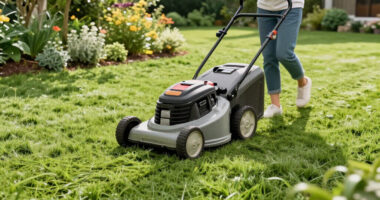
UMass Amherst Extension turf specialist Jason Lanier says homeowners should keep mowing at the lawn’s recommended height until grass growth stops, rather than giving it a close cut before winter. A slightly lower final mow can help in snowy areas, but cutting too short may damage grass, and mowing or walking on frosted or frozen turf can injure it.
Homeowners do not need to cut grass very short before winter, according to Jason Lanier, a turf-management extension specialist at UMass Amherst. Lanier says to continue mowing at the lawn’s recommended height while grass is growing, then stop when growth ends; the advice matters because cutting too low or mowing frozen turf can harm the lawn.
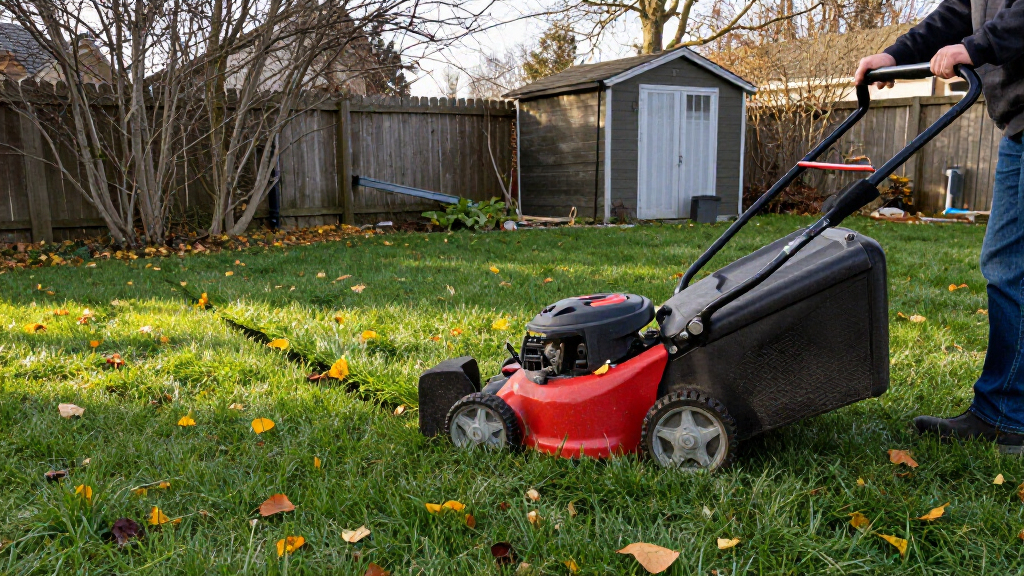
The timing of the final mow depends on grass type, climate and actual growth, Lanier told Country Living. Grass may keep growing later into fall than homeowners expect. He said he has mowed his own Massachusetts lawn into December in some years, though that is an example rather than a schedule that applies everywhere.
Lanier said regular mowing while the lawn is growing helps maintain turf density and the desired surface. Letting the schedule lapse too early can mean missing those benefits and starting the next season somewhat behind. The guidance is to keep mowing at the recommended height, rather than using a very low cut as a routine end-of-season measure.
A slightly lower final mow may be useful in snowy areas, Lanier said, because it leaves less leaf area where snow mold or other winter problems could take hold. But the benefit does not make a close cut necessary. Most existing grass shoots will die back over winter as plants become dormant, and very short grass can be vulnerable to damage, particularly in regions where snow may cover it.
Avoiding Winter Lawn Damage
The practical point is that the last mow is not a one-size-fits-all lawn-care ritual. Following local growing conditions helps homeowners avoid cutting too early, while keeping the grass at a suitable height avoids the risks associated with scalping it before winter.
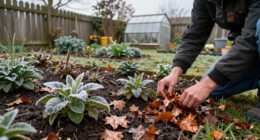
Lanier singled out what happens after frost as more important than achieving a particular final height: do not mow or walk on frosted or frozen turf. Traffic can injure the grass, with damage visible until spring growth resumes. In more severe cases, some plants may die. Waiting until the turf is no longer frozen is a straightforward way to limit avoidable harm.
As an affiliate, we earn on qualifying purchases.
Final Mow Depends on Local Conditions
The source report frames the decision around cool-season and warm-season grasses, which do not share identical mowing guidance. It cites Alabama extension recommendations of 1 to 2 inches for warm-season lawns and 3 to 4 inches for cool-season lawns. Those figures are regional guidance from Alabama, not a universal target for every lawn or climate.
Lanier’s comments also distinguish between mowing slightly lower and cutting grass extremely short. In places with snow, a modest reduction may help keep the lawn tidy and reduce leaf area exposed to winter issues. In warmer areas where snow mold is less of a concern, the case for lowering the final cut is weaker. Grass type and local recommendations should guide the height.
“It’s surprising how late that the grass can keep growing.”
— Jason Lanier
No Universal Final-Mow Height
The source material does not give a single recommended final mowing height for all lawns. The appropriate height varies by grass type and climate, and the Alabama figures cited in the report should not be treated as prescriptions for other regions. The material also does not set a specific date for the final mow; growth may continue well into late fall, depending on local conditions.
Lanier describes a slightly lower final cut as widely accepted in snowy areas, but the report does not quantify how much it reduces winter problems. It also does not establish that lowering the cut is needed for every lawn. Local extension guidance and the lawn’s grass type remain relevant.
Watch Growth Until Dormancy
For now, homeowners can keep mowing at their usual recommended height as long as the grass continues to grow, then stop once growth ends. Check local advice for the lawn’s grass type, especially before changing the cutting height for the final mow.
After frost arrives, avoid mowing and walking on turf when it is frosted or frozen. The source provides no fixed date for when every lawn should receive its final cut, so the next step is to follow local weather and growth rather than a calendar deadline.
Key Questions
Should I cut my grass very short before winter?
No. Jason Lanier of UMass Amherst says a close cut is not necessary. Keep mowing at the recommended height while the grass is growing, then stop when growth ends.
When should I stop mowing for the season?
Stop when grass growth has ended. The timing varies with local conditions; Lanier said grass in Massachusetts can keep growing late into fall and that he has mowed into December in some years.
Is a lower final cut ever helpful?
A slightly lower final mow may be useful in snowy areas because it leaves less leaf area for snow mold or other winter issues. It is not a reason to cut the lawn extremely short, and the right height depends on grass type and location.
Can I mow or walk on the lawn after frost?
Lanier advises against mowing or walking on frosted or frozen turf. It can injure the lawn, with damage lasting until spring growth, and severe injury may kill some plants.
Source: rss
Fall Picks
fall essentials
As an affiliate, we earn on qualifying purchases.