A ‘Known Event’ test improves air data accuracy by introducing controlled environmental changes, like adjusting altitude or pressure, to check sensor responses. By comparing sensor readings against expected values, you can identify calibration issues or sensor drift. Regular testing helps guarantee your sensors respond correctly, maintaining reliable data for safe flight operations. If you keep exploring, you’ll discover how these tests support ongoing calibration and operational safety even further.
Key Takeaways
- Introduces controlled environmental changes to verify sensor responses against expected values.
- Detects calibration drift or sensor degradation through comparison during known events.
- Ensures sensor accuracy, improving overall air data reliability for safe aircraft operation.
- Facilitates early identification of calibration issues, enabling timely maintenance.
- Supports compliance with aviation standards by validating sensor performance regularly.

Accurate air data is essential for safe and efficient aircraft operations, and the Known Event Test offers a reliable way to improve its quality. When you’re dealing with aircraft sensors, ensuring their calibration is correct is critical to maintaining high data accuracy. This test provides a practical method to verify and enhance sensor performance, giving you confidence that the measurements you rely on are precise.
The Known Event Test works by introducing a controlled, predictable change in the environment that sensors can detect. For instance, it might involve adjusting the aircraft’s altitude or pressure in a way that’s carefully monitored and documented. By doing this, you can compare the sensor readings against known, expected values, which helps identify any discrepancies caused by sensor drift or calibration issues. This process is indispensable because even small errors in sensor calibration can lead to significant inaccuracies in air data, affecting everything from navigation to fuel efficiency.
During the test, you monitor how sensors respond to the known event. If the data collected aligns closely with the expected values, it confirms that your sensors are properly calibrated and maintaining data accuracy. If discrepancies arise, it indicates that recalibration or maintenance might be necessary to restore sensor performance. This ongoing validation ensures that your air data remains trustworthy, reducing the risk of errors during critical flight operations. Additionally, incorporating regular testing can help maintain consistent sensor performance over time, preventing issues from escalating. Regular validation also helps in identifying sensor degradation early, which supports compliance with strict aviation standards. Conducting these tests regularly can also assist in detecting sensor degradation before it impacts flight safety, ensuring continuous operational reliability.
Implementing the Known Event Test regularly can help you catch calibration issues early, before they impact flight safety or efficiency. It’s a proactive approach that minimizes surprises caused by sensor degradation over time. Furthermore, it supports compliance with aviation standards, which often require regular sensor validation to ensure the integrity of air data systems. Conducting these tests also emphasizes the importance of sensor calibration in maintaining reliable air data for safe aircraft operation.
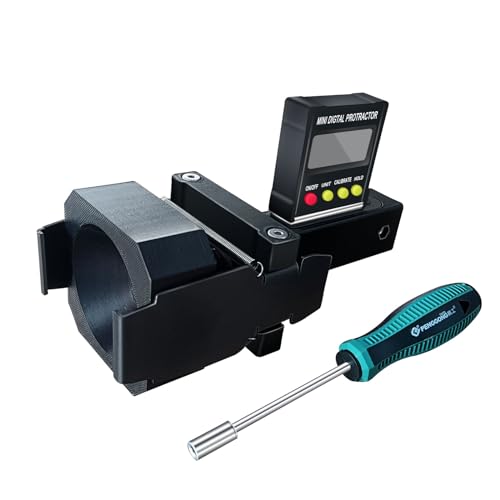
Dynamic ACC Positioning Tool For Eyeball Unit, ADAS Calibration Tool
- Power Source: Requires 2 AAA batteries (not included)
- Compatibility: Designed for eyeball unit only
- Calibration Type: Suitable for dynamic ACC calibration
As an affiliate, we earn on qualifying purchases.
As an affiliate, we earn on qualifying purchases.
Frequently Asked Questions
How Does the Known Event Test Differ From Traditional Air Data Validation?
The known event test differs from traditional air data validation by focusing on specific, predictable events to verify data accuracy. Instead of relying solely on calibration procedures and continuous checks, you compare real-time measurements against expected outcomes during these events. This targeted approach helps you quickly identify deviations, ensuring your air data remains precise and reliable, ultimately improving safety and operational efficiency.
What Types of Events Qualify as “Known” in This Test?
Think of event classification as sorting jewels—only certain events qualify as “known.” These include scheduled maintenance, system resets, or calibration activities. Such events are predictable and well-documented, ensuring data reliability. When you identify these known events, you can trust your air data more, because their impact is understood. This clarity helps improve data accuracy, making your flight systems safer and more efficient during critical moments.
Can This Test Be Applied to All Aircraft Types?
You can’t apply this test to all aircraft types due to aircraft variability. Different aircraft have unique systems and responses, making uniform test implementation challenging. For some aircraft, the test works well, but for others, it may require modifications or additional considerations. It’s essential to tailor the test procedures to each aircraft’s specific characteristics to guarantee accurate air data evaluation and maintain safety across diverse aircraft types.
How Often Should the Known Event Test Be Performed?
You should perform the known event test regularly, typically aligning with your aircraft’s maintenance schedule. Event frequency depends on operational hours, flight cycles, or specific manufacturer recommendations. Incorporate this test into your maintenance scheduling to guarantee air data accuracy and safety. Regular testing helps detect issues early, maintaining reliable data for safe flight operations. Always follow your aircraft’s maintenance manual for precise intervals and procedures.
What Are the Limitations of the Known Event Test?
Think of the known event test as a lighthouse guiding your sensor calibration, but it’s not infallible. Its limitations include reliance on the assumption that the event remains unchanged, which may not always hold true. If data accuracy is compromised by sensor drift or external factors, the test can give a false sense of reliability. As a result, it’s essential to supplement it with other checks to guarantee consistent, precise air data.
Conclusion
Think of the Known Event Test as a lighthouse guiding your air data through foggy skies. By pinpointing exact moments, you gain clearer, more reliable information—like a sailor trusting a steady beacon. This simple yet powerful test transforms raw data into a navigational compass, helping you steer confidently even in uncertain conditions. With this approach, your air data becomes a trusted map, turning complexity into clarity and ensuring safer, smoother flights ahead.