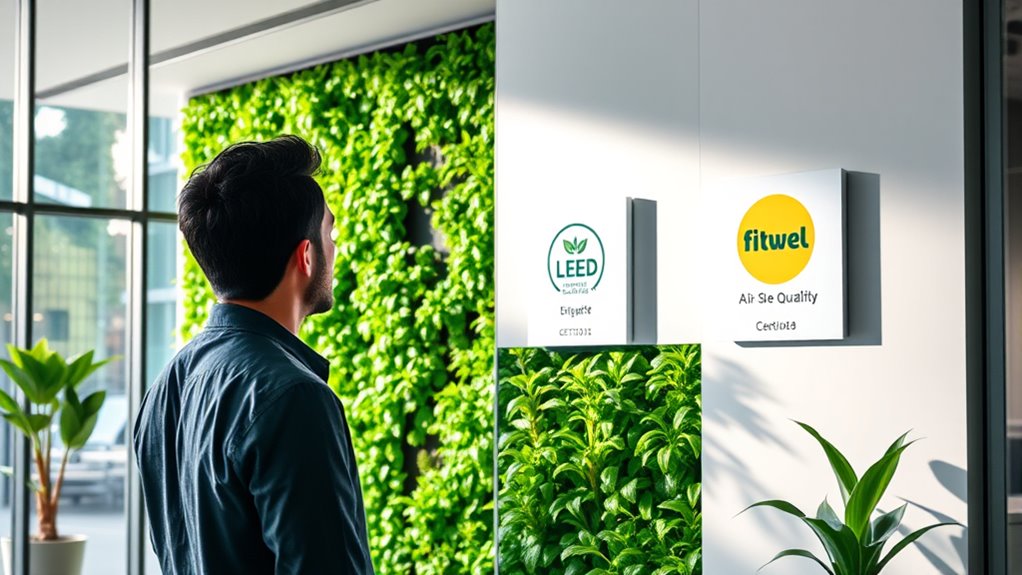

Choosing between LEED and Fitwel depends on your project’s goals, timeline, and resources. LEED offers a thorough, long-term sustainability standard with detailed documentation, ideal if you seek globally recognized certification and have more time. Fitwel provides a quicker, practical approach focused on occupant health with simple measures. If you want faster certification and straightforward strategies, Fitwel may be better. Keep exploring to understand how each system can best meet your indoor air quality needs.

Get garden gear delivered free — and shop member deals
- Fast, free delivery on millions of items
- Access to Prime Big Deal Days deals on October 6–7
- Prime Video, Amazon Music and more included
Key Takeaways
- LEED offers a comprehensive, long-term certification process suitable for projects with extensive resources and sustainability goals.
- Fitwel provides a streamlined, faster certification focused on practical, occupant health improvements with minimal bureaucracy.
- LEED emphasizes detailed indoor air quality controls during construction and ongoing performance verification.
- Fitwel promotes easy-to-implement measures like increased ventilation and pollutant source control for quick health benefits.
- Choose LEED for broad sustainability standards and long-term performance; opt for Fitwel for rapid, occupant-centered health certification.
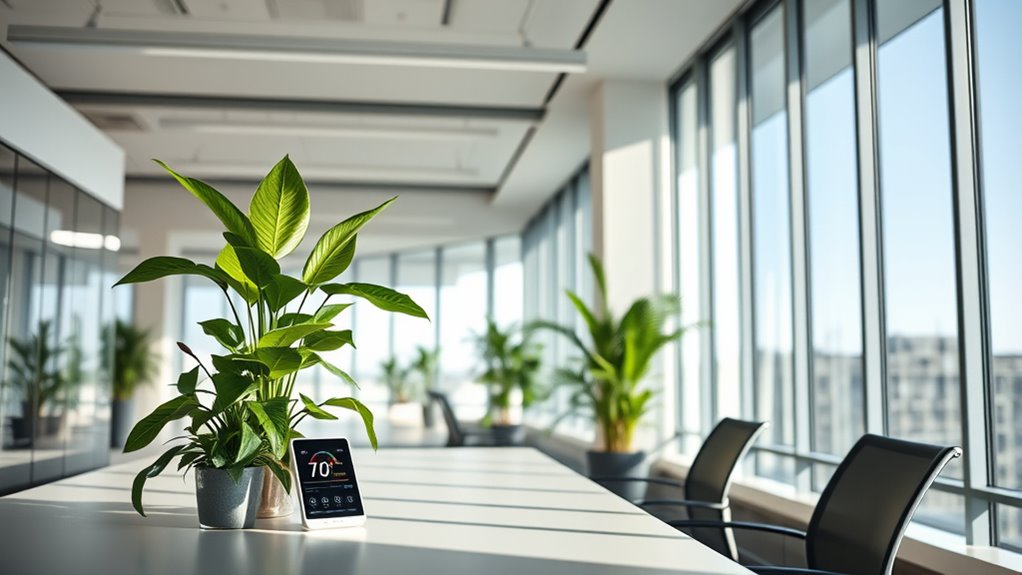
When choosing a building certification system, understanding the differences between LEED and Fitwel is essential. Both programs aim to promote healthier, more sustainable buildings, but they approach indoor air quality and certification processes differently. Knowing how each system evaluates and encourages indoor air quality can help you decide which aligns best with your project goals. The certification process for LEED is thorough and rigorous, involving detailed documentation, third-party verification, and a point-based system. It assesses a wide range of sustainability factors, including indoor air quality, energy efficiency, water use, and materials. Achieving LEED certification typically requires a significant investment of time and resources but offers a well-recognized standard that can boost your building’s market value and reputation. Additionally, LEED’s emphasis on comprehensive building performance encourages ongoing monitoring and improvement of indoor air environments.
LEED offers a rigorous, comprehensive certification process, emphasizing thorough documentation and long-term sustainability.
Fitwel, on the other hand, emphasizes health and well-being with a more streamlined certification process. It focuses on practical, evidence-based strategies to improve indoor air quality alongside other health-related features such as lighting, ergonomics, and occupant engagement. The certification process for Fitwel is generally quicker and less complex, making it attractive for projects seeking certification without extensive bureaucracy. It encourages implementation of simple, cost-effective measures—like better ventilation, low-emission materials, and increased natural airflow—that directly impact indoor air quality. This pragmatic approach enables you to prioritize effective, measurable health benefits without the lengthy procedures often associated with LEED.
Indoor air quality is a core component of both systems, but they do so with different emphases. LEED’s indoor air quality credits often focus on controlling pollutants during construction, improving ventilation systems, and maintaining air quality over the building’s lifecycle. It requires thorough testing and documentation, ensuring that indoor environments meet strict standards before and after occupancy. Fitwel also promotes indoor air quality, advocating for strategies such as increased ventilation, air filtration, and pollutant source control. Its approach is more flexible, encouraging building owners to adopt measures that are easy to implement and verify quickly, which can lead to faster certification and tangible health improvements for occupants.
Ultimately, your choice depends on your project’s scope, timeline, and objectives. If you’re seeking a globally recognized standard with detailed requirements and long-term sustainability goals, LEED might be the better fit. However, if you prefer a faster, more accessible certification that centers on occupant health and indoor air quality with practical strategies, Fitwel could be the ideal option. Both systems promote healthier indoor environments, but your decision should align with your priorities, resources, and the level of certification validation you desire.
As an affiliate, we earn on qualifying purchases.
Frequently Asked Questions
How Do These Certifications Impact Long-Term Operational Costs?
These certifications can substantially impact your long-term operational costs by boosting operational savings and reducing maintenance costs. They encourage energy-efficient systems and better air quality management, which lowers energy bills and minimizes equipment wear. As a result, you’ll see reduced expenses over time, making your building more sustainable and cost-effective in the long run. Investing in such certifications helps you save money while maintaining a healthier environment.
Can a Building Be Certified in Both LEED and Fitwel Simultaneously?
Did you know buildings with certification overlap tend to see a 25% increase in overall sustainability benefits? Yes, a building can be certified in both LEED and Fitwel simultaneously, creating certification synergy that maximizes health and environmental standards. This dual approach enhances occupant well-being and operational efficiency, showcasing an all-encompassing commitment to sustainability. You’ll need to meet specific criteria for each, but the combined recognition can markedly boost your building’s reputation and performance.
What Are the Specific Indoor Air Quality Metrics Used by Each Program?
You’ll find that LEED emphasizes measuring VOC levels, humidity control, and air filtration efficiency to guarantee good indoor air quality. Fitwel, on the other hand, focuses on VOC concentrations, humidity management, and ventilation rates. Both programs prioritize reducing indoor pollutants, but LEED offers more detailed metrics on air filtration and contaminant removal, while Fitwel emphasizes occupant health through humidity and pollutant level controls.
How Do Certification Processes Differ in Terms of Time and Complexity?
You’ll find that certification timelines vary, with LEED often taking around 6-12 months due to its extensive process, while Fitwel typically completes in 3-6 months, reflecting its streamlined approach. The process complexity also differs; LEED involves detailed documentation and multiple review stages, making it more demanding. In contrast, Fitwel’s simpler process appeals if you’re seeking faster certification without sacrificing quality.
Are There Regional or Country-Specific Preferences for LEED or Fitwel?
Regional preferences and cultural influences often shape your choice between LEED and Fitwel. In some regions, LEED’s emphasis on sustainability aligns with local green building regulations, making it more popular. Conversely, Fitwel’s focus on occupant health may resonate more in areas prioritizing wellness. Your decision should consider these regional and cultural factors, ensuring the certification supports local standards and community values effectively.
Conclusion
Choosing between LEED and Fitwel is like picking the right pair of shoes—you want comfort, support, and style that match your journey. I once worked on a project where a small upgrade in air quality certification boosted employee satisfaction by 20%. Just as the right shoes can change your day, selecting the right certification transforms your building environment. So, consider your goals carefully—your choice can make all the difference in creating a healthier, more sustainable space.
Fall yard work Picks
leaf blowers
As an affiliate, we earn on qualifying purchases.