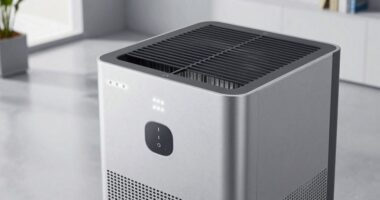
MERV and HEPA filters differ in what they can trap from the air you breathe. MERV filters range from 1 to 16 and are great at capturing larger particles like dust, pollen, and pet dander. HEPA filters are more advanced, catching at least 99.97% of tiny particles as small as 0.3 microns, including bacteria, viruses, and smoke. If you want to improve your indoor air quality all-encompassing, understanding these differences will help you choose the right option for your needs.

Get garden gear delivered free with Prime
- Fast, free delivery on millions of items
- Prime Video, Amazon Music and more included
- Member-only deals all year
Key Takeaways
- HEPA filters capture at least 99.97% of particles as small as 0.3 microns, including viruses and bacteria.
- MERV ratings 13-16 effectively trap larger airborne particles like pollen, dust, and pet dander.
- HEPA filters outperform MERV filters in removing microscopic contaminants and allergens.
- Higher MERV filters can improve air quality but may strain air purifiers not designed for them.
- Choosing between MERV and HEPA depends on specific air quality needs and device compatibility.

Are you unsure about the differences between MERV and HEPA filters? If so, you’re not alone. Understanding how each filter impacts air purifier efficiency can help you make smarter choices for your indoor air quality. MERV, or Minimum Efficiency Reporting Value, measures a filter’s ability to trap particles of varying sizes. The higher the MERV rating, the more effectively it captures dust, pollen, pet dander, and other airborne contaminants. HEPA filters, on the other hand, are a specific type of high-efficiency filter that meets strict standards, capturing at least 99.97% of particles as small as 0.3 microns. While both are designed to improve indoor air, their differences can influence how well your air purifier performs and how often you need to replace the filters.
Understanding MERV and HEPA filters helps optimize your air purifier for cleaner indoor air.
When comparing air purifier efficiency, HEPA filters tend to outperform MERV filters at capturing microscopic particles like bacteria, viruses, and smoke. If you’re concerned about allergies or respiratory issues, a HEPA filter provides superior filtration. However, higher MERV ratings—say, 13 to 16—can also offer excellent filtration for larger particles and are suitable for certain air purifiers. The key is to check your device’s specifications and choose a filter rated within its recommended range to maximize performance without straining the system.
Knowing how to handle filter replacement tips is just as important as understanding filtration capabilities. For instance, while HEPA filters generally need replacing every 6 to 12 months, depending on usage and air quality, MERV filters might last longer or shorter depending on their MERV rating and the environment. Regularly inspecting your filters for dirt and discoloration ensures you don’t compromise air purifier efficiency. A dirty or clogged filter reduces airflow, making the device work harder and decreasing its effectiveness. Always follow manufacturer recommendations for replacement intervals, and keep a routine schedule to maintain ideal air quality.
Choosing between MERV and HEPA filters ultimately depends on your specific needs and the type of air purifier you own. If you’re looking for maximum particle removal, especially for tiny microbes, HEPA is the way to go. But if you need a filter that can handle larger particles at a more affordable price point, a high-MERV filter might suffice. Just remember, maintaining your filters properly and replacing them when necessary ensures your air purifier performs at its best, keeping your indoor environment healthier and fresher. Additionally, understanding the contrast in technology between DLP and LCD can help you select a projector that best suits your home cinema needs.
Products Worth Considering

LEVOIT Vital 100S-P Smart Air Purifier with Washable Pre-Filter

Blueair Blue Pure 211i Max Air Purifier

Levoit Vital 200S-P Smart Air Purifier for Large Rooms
As an affiliate, we earn on qualifying purchases.
Frequently Asked Questions
How Do MERV and HEPA Compare in Cost?
You’ll find that HEPA filters tend to cost more upfront, but their filter longevity means you’ll replace them less often, which can save you money over time. MERV filters are generally cheaper initially and have lower maintenance costs, but they might need more frequent replacements due to shorter lifespan. Consider your budget and maintenance preferences to choose the filter that best balances cost and performance for your needs.
Can MERV Filters Replace HEPA in Air Purifiers?
Replacing HEPA filters with MERV filters is like trying to fit a square peg in a round hole. MERV filters generally have lower filter efficiency for tiny particles and aren’t designed for the high performance of HEPA units. They also have different maintenance requirements; MERV filters need more frequent changes, which can compromise air quality. So, for ideal purification, stick with HEPA in air purifiers.
Are MERV Filters Suitable for Allergy Sufferers?
Yes, MERV filters are suitable for allergy sufferers. They improve air quality by capturing larger particles like pollen, dust mites, and pet dander, which helps with allergy symptom relief. While they may not filter out all tiny allergens like some HEPA filters, high-rated MERV filters (13-16) still markedly enhance indoor air quality. Using them in your HVAC system can lead to noticeable improvements, making your environment more comfortable during allergy season.
How Often Should MERV and HEPA Filters Be Replaced?
You should replace MERV filters every 3 to 6 months, depending on usage and air quality, while HEPA filters generally need replacement every 12 to 18 months. Keep an eye on the filter lifespan and follow your manufacturer’s replacement schedule to maintain peak airflow and filtration. Regularly checking your filters ensures they perform effectively, especially if you or your household members suffer from allergies or respiratory issues.
Do MERV and HEPA Filters Remove Gases and Odors?
Imagine you’re in a sci-fi movie; MERV and HEPA filters primarily trap particles, but they don’t absorb gases or odors like a magic spell. While HEPA filters excel at removing airborne particles, they don’t effectively handle gas absorption or odor removal. MERV filters might catch some larger odor-causing particles, but for true gas and odor removal, you’ll want activated carbon filters. They’re your best bet for tackling smells and gases.
Conclusion
Choosing between MERV and HEPA filters depends on your needs, but knowing that HEPA filters can trap 99.97% of particles as small as 0.3 microns might surprise you. This incredible efficiency can markedly improve your indoor air quality and protect your health. Remember, cleaner air isn’t just about comfort—it’s about reducing allergies, asthma triggers, and airborne viruses. Make an informed choice today for a healthier, safer home or workspace.