
Indoor microplastics come from household textiles, dust, and personal care products, which shed tiny fibers into the air and surfaces. To protect yourself, use high-efficiency filters like HEPA and change them regularly to trap these particles effectively. Maintaining a clean environment and choosing natural textiles also helps reduce exposure. If you want to learn more about practical filtration strategies and ways to minimize indoor microplastic levels, there’s plenty more to explore.
Key Takeaways
- Indoor microplastics originate from synthetic textiles, dust, and household activities, accumulating in furniture, clothes, and air.
- High-efficiency filters like HEPA and air purifiers effectively trap airborne microplastics, reducing indoor concentrations.
- Regular cleaning, using microfiber-catching laundry devices, and choosing natural textiles decrease household microplastic sources.
- Proper filtration combined with maintenance minimizes dust and fiber buildup, lowering microplastic exposure indoors.
- Understanding indoor sources and implementing filtration strategies are essential for assessing and reducing microplastic exposure.

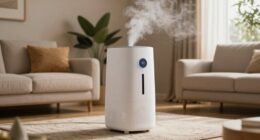
Microplastics are not just a concern outdoors; they’re quietly accumulating inside your home as well. You might not see them, but these tiny particles are everywhere—settling in your furniture, clothes, and even the air you breathe. Understanding where they come from and how they circulate can help you reduce your exposure. One of the key factors in managing indoor microplastics is effective air filtration. Using high-efficiency filters, like HEPA filters, can trap many of these microscopic particles before they circulate through your living space. Regularly changing or upgrading your air filters ensures they continue to perform *effectively*, catching more microplastics and improving overall air quality. It’s also worth considering air purifiers with advanced filtration capabilities if you’re especially concerned about indoor microplastic levels. These devices can *considerably* reduce airborne particles, including those from household sources, making your environment safer.
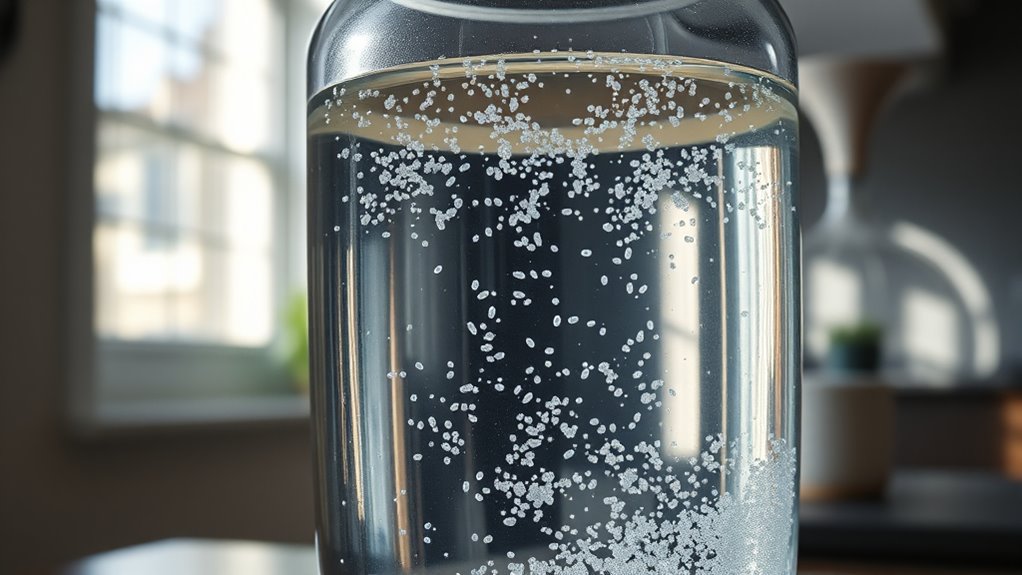
Household sources play a *major* role in the presence of microplastics inside your home. Every time you wash synthetic clothes, tiny fibers are shed and released into the air and water. These fibers can become microplastics that linger in your environment. Similarly, textiles like carpets, curtains, and upholstery often contain synthetic fibers that shed over time, especially with regular use or cleaning. Personal care products, such as exfoliating scrubs and certain cosmetics, may also contain microbeads, which can enter your indoor air and water systems. Even household dust is a reservoir for microplastics—accumulated from clothing fibers, plastic containers, and other synthetic materials. These microplastics can become airborne during activities like sweeping, vacuuming, or simply moving around your home. Recognizing these sources helps you take targeted steps to minimize exposure. Additionally, understanding the sources of microplastics can inform better choices to reduce their presence in your environment.
Implementing effective air filtration strategies is *vital* in controlling indoor microplastic levels. Besides upgrading your filters and using purifiers, maintaining a clean environment reduces dust and fiber buildup that can release microplastics into the air. Regularly washing bedding, curtains, and clothing in a microfiber-catching laundry bag or filter can help trap fibers before they become airborne. Opting for natural textiles like cotton or wool instead of synthetic fabrics reduces the amount of microplastics released during daily activities. Being mindful of the products you bring into your home—choosing personal care items without microbeads and avoiding unnecessary plastic packaging—further cuts down household sources. By combining these practices with proper air filtration, you create a healthier indoor environment, reducing your *considerably* overall exposure to microplastics and their potential health impacts.
Frequently Asked Questions
How Do Microplastics Enter Indoor Air and Surfaces?
Microplastics enter your indoor air and surfaces mainly through fiber shedding from textiles and furniture, as well as textile degradation over time. When you wash clothes, clean fabrics, or even walk on carpets, tiny fibers are released into the environment. These microplastics then settle on surfaces or become airborne, making it easy for you to inhale or come into contact with them. Regular cleaning and choosing natural materials can help reduce exposure.
Are Certain Household Materials More Prone to Releasing Microplastics?
Certain household materials, like synthetic fibers and plastic containers, are more prone to releasing microplastics. When you wash synthetic fabrics, tiny fibers shed into the air and surfaces. Plastic containers, especially when scratched or heated, can also release microplastics. Being aware of these sources helps you reduce exposure by choosing natural fibers and avoiding damaged plastics, ultimately minimizing indoor microplastic contamination.
What Are the Health Risks Associated With Indoor Microplastic Exposure?
Think of indoor microplastics as silent invaders, slowly impacting your health. Long-term exposure can increase risks of respiratory issues, allergies, and even more serious conditions over time. Vulnerable populations, like children and the elderly, are especially at risk because their immune systems are weaker. To protect yourself, improve filtration, maintain cleanliness, and minimize plastic use. Staying aware helps reduce potential health threats and keeps your indoor environment safer.
Can Pets Contribute to Indoor Microplastic Contamination?
Yes, pets can contribute to indoor microplastic contamination. When pets shed pet dander, tiny microplastic particles can attach to it, increasing your exposure risk. Additionally, pets may ingest microplastics from contaminated surfaces or objects, bringing these particles into your home environment. As a result, you might unknowingly inhale or ingest microplastics, making it important to regularly clean and monitor your pet’s environment to reduce overall contamination.
How Effective Are Common Household Cleaning Methods in Removing Microplastics?
Cleaning can considerably combat microplastic contamination indoors. You’ll find that vacuum efficiency varies—high-quality vacuums trap more microplastics, reducing recirculation. Surface cleaning with damp cloths or microfiber mops helps remove particles from floors and furniture, preventing them from becoming airborne again. Regular, thorough cleaning is vital; it clears clutter, captures contaminants, and curtails microplastic buildup, making your environment safer and cleaner. Stay diligent to diminish microplastic risks effectively.
Conclusion
You might think air filters alone can eliminate microplastics indoors, but research suggests they only reduce exposure partially. While using high-efficiency filters helps, it’s a myth that they completely block all particles. Instead, combining filters with regular cleaning and reducing plastic use offers a more realistic solution. So, don’t rely solely on filtration—embrace multiple strategies to truly protect yourself from indoor microplastic exposure. The truth is, a layered approach is your best defense.