To create a nursery that promotes sensitive sleep, keep the air clean by using HEPA filters and regularly replacing filters. Maintain humidity between 40-60% with a clean humidifier or dehumidifier, depending on the season. Ensure good ventilation by opening windows on days with good air quality and cleaning surfaces often. Avoid clutter, scented products, and high-pollution times. Staying on top of these practices can greatly improve your baby’s sleep environment—discover more tips to optimize your nursery’s air quality.

Get garden gear delivered free with Prime
- Fast, free delivery on millions of items
- Prime Video, Amazon Music and more included
- Member-only deals all year
Key Takeaways
- Use HEPA air purifiers and regularly replace filters to remove airborne pollutants and allergens.
- Maintain humidity between 40-60% with a clean humidifier or dehumidifier.
- Keep the nursery clean by vacuuming with a HEPA filter and wiping surfaces to reduce dust.
- Ensure proper ventilation by airing out the room during good outdoor air quality days.
- Avoid scented products and clutter that can trap dust and allergens.
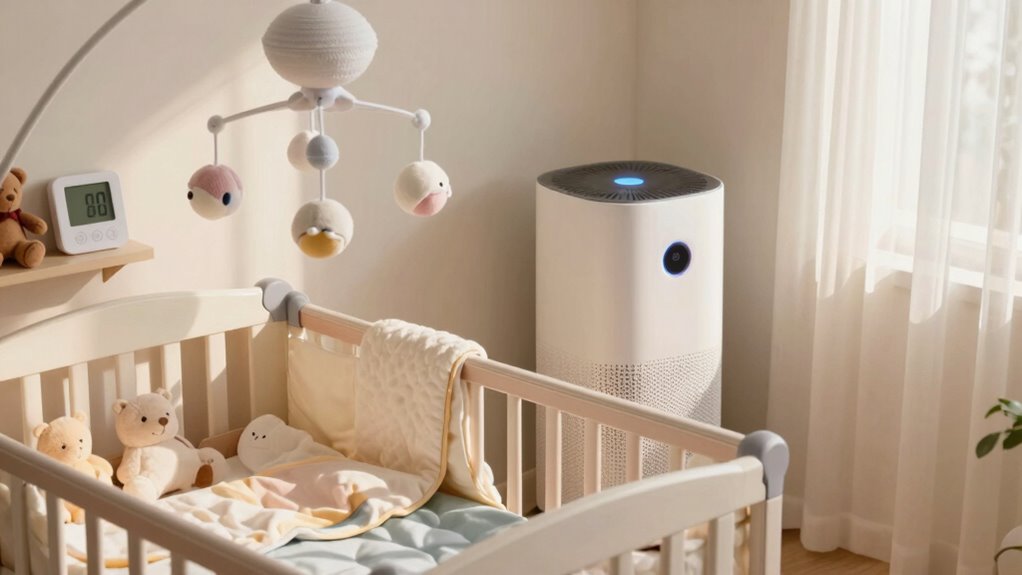
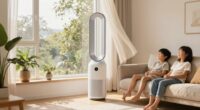
Are you confident that the air in your nursery is safe and healthy for your little one? Ensuring a clean, fresh environment starts with understanding the importance of proper air quality. Your baby’s sensitive lungs need optimal conditions, which means paying close attention to air purification and humidity control. Air purification is crucial because it helps remove airborne pollutants, allergens, and dust that could trigger allergies or respiratory issues. Consider investing in a reliable air purifier equipped with a HEPA filter, which traps tiny particles and keeps the air clean. Regularly replacing or cleaning the filter ensures it works efficiently. Additionally, avoid using air fresheners or scented products that can introduce chemicals into the space, and keep windows open when possible to promote natural ventilation. Proper air quality management is essential for creating a safe nursery environment.
Humidity control is equally vital, as maintaining the right moisture levels can prevent the growth of mold and dust mites—common irritants for sensitive sleepers. The ideal humidity range for a nursery is typically between 40% and 60%. Using a hygrometer helps you monitor these levels accurately. If the air feels dry, especially during colder months, consider adding a humidifier designed for nurseries. Just be sure to keep the device clean, as mold can develop in the moist environment if not maintained properly. Conversely, if the air is too humid, it can promote mold growth and make the room feel damp and uncomfortable. In such cases, a dehumidifier can help bring moisture levels back into the safe zone. Maintaining proper indoor air quality also involves minimizing sources of indoor pollution and ensuring good ventilation. Regular cleaning routines and proper ventilation techniques can significantly improve overall air quality. A good understanding of air quality principles can help you make informed decisions for your baby’s health.
Beyond air purification and humidity control, other elements contribute to a healthy nursery environment. Keep the space dust-free by vacuuming regularly with a HEPA-filter vacuum cleaner and wiping down surfaces with a damp cloth. Avoid clutter that traps dust and allergens, and opt for washable, hypoallergenic bedding and curtains. When airing out the room, do so on days with good outdoor air quality, and avoid opening windows during high pollution or pollen seasons to prevent introducing outdoor irritants. Remember, maintaining a consistent, clean environment not only promotes better sleep but also supports your baby’s overall health and development. By staying vigilant about air purification and humidity control, you create a safe haven where your little one can rest peacefully and breathe easily.
As an affiliate, we earn on qualifying purchases.
Frequently Asked Questions
How Often Should I Update My Nursery Air Quality Checklist?
You should update your nursery air quality checklist regularly, ideally every three to six months, to guarantee accurate air quality monitoring. Changes in seasons, new furniture, or recent renovations can impact indoor air, so revisiting your checklist helps you identify risks early. Regular updates keep your sleep space safe for your little one, allowing you to adjust air purifiers or ventilation as needed and maintain ideal air quality.
Are There Specific Brands Recommended for Nursery Air Purifiers?
You should look for nursery air purifiers with positive air purifier reviews and baby-safe filters. Brands like Levoit, Blueair, and Coway often get high marks for their effectiveness and safety features. Make sure the filters are specifically labeled as baby-safe or hypoallergenic. Keep an eye on user reviews, especially those focusing on quiet operation and filter longevity, to guarantee you’re choosing the best option for your little one’s sleep space.
Can Natural Remedies Improve Nursery Air Quality?
Yes, natural remedies like herbal infusions and aromatherapy benefits can improve nursery air quality. You can use gentle herbal infusions such as chamomile or lavender to subtly purify the air or add a few drops of safe, baby-friendly essential oils for aromatherapy. Just make certain you choose non-toxic options and use them sparingly to avoid overwhelming your baby’s sensitive respiratory system. Always consult a healthcare professional before introducing new remedies.
What Signs Indicate Poor Air Quality in the Nursery?
Poor air quality in your nursery can present as persistent coughing, stuffy noses, or sneezing spells. You might notice a sour smell, sluggishness, or sneezing surges. To catch these cues, air quality monitoring helps identify subtle signs of air issues. Look out for pollutant sources like mold, dust, or strong odors, which can signal compromised air. Addressing these alerts promptly guarantees a safer, healthier space for your little one.
How Does Humidity Affect My Baby’s Sleep Environment?
Humidity levels profoundly affect your baby’s sleep environment by influencing air moisture. Too much moisture can lead to a damp, uncomfortable space, making it harder for your baby to breathe and sleep peacefully. Conversely, low humidity causes dry air, which can irritate their respiratory system and skin. Maintaining balanced humidity guarantees ideal sleep comfort, prevents dryness or dampness, and helps promote healthier, more restful sleep for your little one.
Conclusion
By following this nursery air checklist, you’re taking essential steps to create a safe, healthy sleep space for your little one. But remember, the environment is always changing—what’s safe today might not be tomorrow. Stay vigilant, stay informed, and keep reassessing. Your baby’s well-being depends on it. The real question is: are you prepared to uncover what might be lurking in the air, just waiting to surprise you? The answer could change everything.
Fall yard work Picks
leaf blowers
As an affiliate, we earn on qualifying purchases.