Ozone generators are unsafe for occupied spaces because they produce harmful ozone levels that can irritate your respiratory system, cause coughing, and worsen asthma. They also create secondary pollutants like formaldehyde and VOCs, which can harm indoor air quality. Even low ozone levels can impair lung function. To protect your health, avoid using these devices where people are present. Keep exploring to find safer, proven methods for cleaner indoor air.
Key Takeaways
- Ozone generators produce ozone, which irritates the respiratory system and can worsen asthma symptoms in occupied spaces.
- Ozone reacts with indoor pollutants to produce secondary pollutants like formaldehyde and VOCs, harming air quality.
- Even low ozone levels can impair lung function, making it unsafe for people during operation.
- Safer alternatives, such as HEPA and activated carbon filters, effectively remove pollutants without health risks.
- Health authorities advise against using ozone generators in occupied areas due to health and safety concerns.
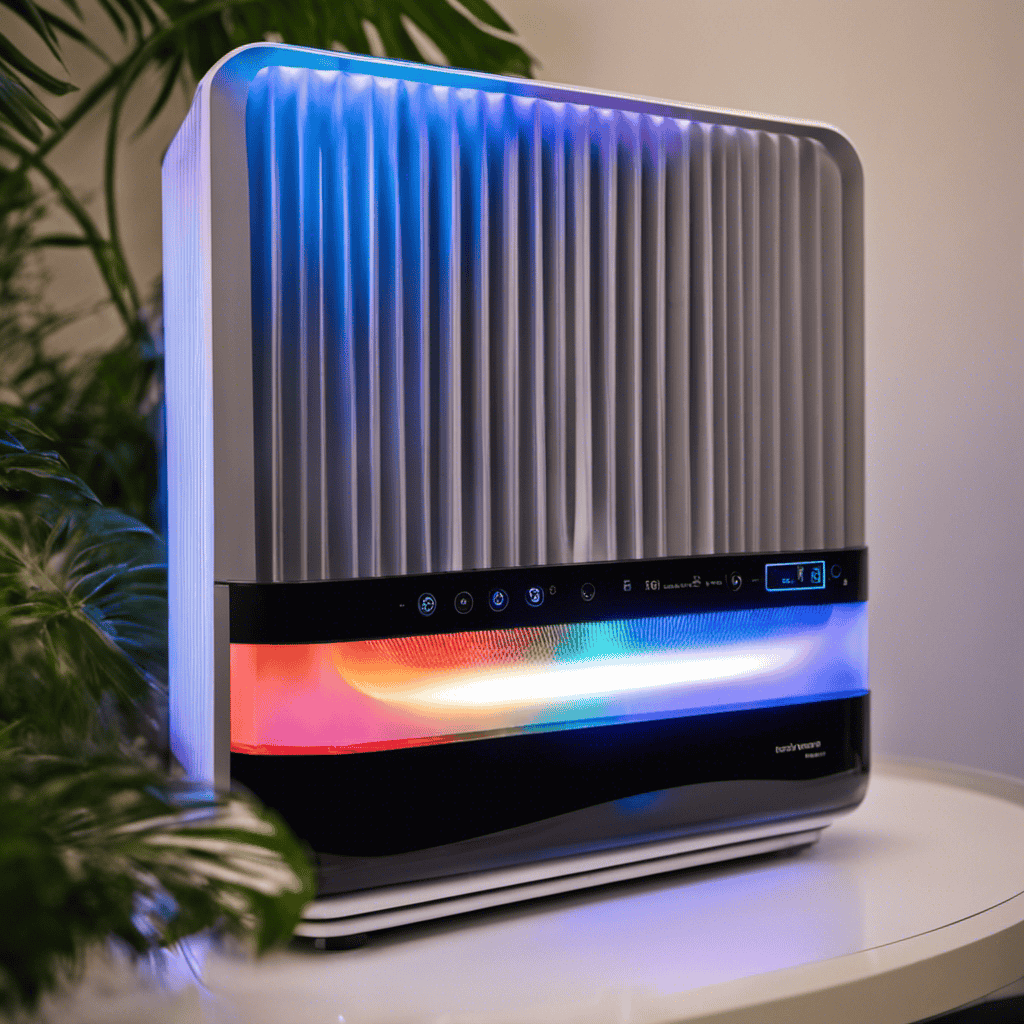
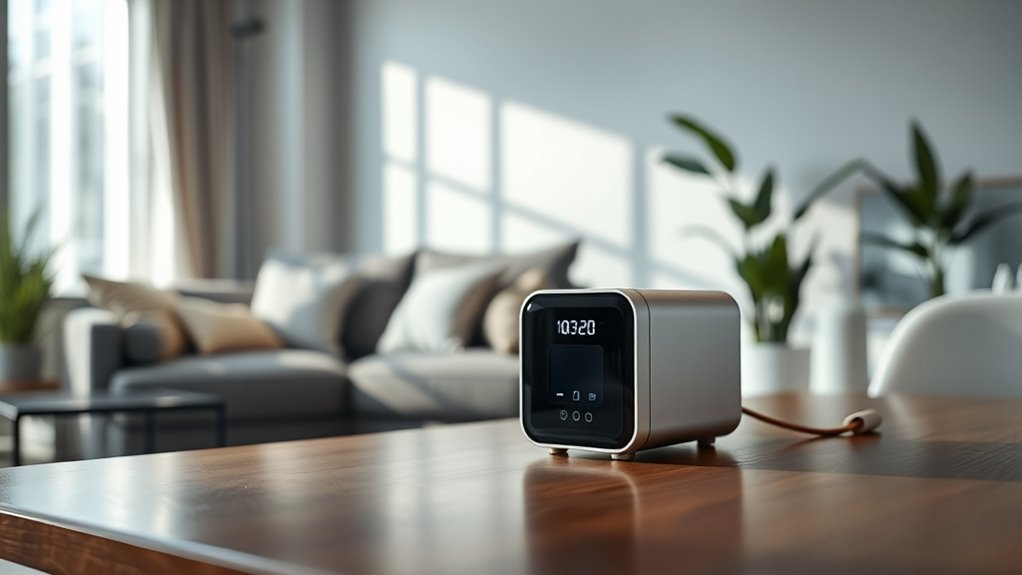
Ozone generators are devices that produce ozone, a powerful oxidant used to eliminate odors, bacteria, and mold. While they might seem like a quick fix for indoor air problems, it’s essential to understand what they do and why they’re not recommended for occupied spaces. When used properly, air purification with ozone can be effective in unoccupied areas, but in active environments, it poses serious health risks. Ozone, in high concentrations, can irritate your respiratory system, causing coughing, chest tightness, and shortness of breath. Prolonged exposure may even worsen asthma symptoms or contribute to lung inflammation. That’s why, despite their popularity, these devices should never be used where people are present during operation.
Many people are drawn to ozone generators because they claim to improve air quality by neutralizing odors and killing bacteria. However, the truth is that ozone doesn’t selectively target only harmful particles; it reacts with various substances in the air, creating secondary pollutants. These byproducts can include formaldehyde and other volatile organic compounds (VOCs), which are known to cause respiratory issues and other health problems. Rather than offering a safe, effective air purification method, ozone generators often introduce new hazards into indoor environments. This is especially concerning in homes, offices, or healthcare settings where vulnerable individuals—children, the elderly, or those with respiratory conditions—spend significant amounts of time.
In terms of safety, the Environmental Protection Agency (EPA) and other health authorities advise against using ozone generators in occupied spaces. They emphasize that, even at low levels, ozone can impair lung function and exacerbate existing health conditions. If you’re seeking cleaner air, alternatives like HEPA filters or activated carbon filters are much safer and proven to improve indoor air quality without risking your health. These devices are designed to trap and remove pollutants rather than produce harmful gases.
Additionally, research indicates that the use of ozone generators can lead to the formation of secondary pollutants, which further degrade indoor air quality and pose health risks. Ultimately, the risks associated with ozone generators outweigh any perceived benefits. While they may seem like a convenient solution for air purification, their use in occupied spaces presents real health dangers. It’s better to focus on proven, safe methods for maintaining good indoor air quality. Proper ventilation, regular cleaning, and the use of certified air purifiers are far more effective and safe ways to ensure a healthy indoor environment. Remember, protecting your health means choosing safer, scientifically supported solutions rather than relying on devices that can do more harm than good.
Frequently Asked Questions
Can Ozone Generators Be Used Safely Outdoors?
You can use ozone generators outdoors, but with caution. Outdoor safety is generally better because ozone disperses quickly, reducing health risks. However, you should still be aware of ozone limitations, like avoiding high concentrations near people or pets. Always follow manufacturer instructions, and consider wind conditions to prevent excessive ozone buildup. Properly used outdoors, ozone generators pose less risk, but never underestimate the importance of monitoring ozone levels for safe outdoor use.
How Do Ozone Generators Affect Allergy Sufferers?
Ozone generators can worsen allergy sufferers’ symptoms by increasing allergy triggers and causing respiratory irritation. When you use one, the ozone can inflame your airways and trap particles like pollen, dust, and mold, making allergies worse. Instead of relying on ozone, try better ventilation, air purifiers with HEPA filters, and regular cleaning. These methods help reduce allergy triggers safely without risking respiratory irritation or other health issues.
Are There Any Legal Restrictions on Ozone Generator Use?
You absolutely can’t ignore the legal bans and strict regulatory compliance surrounding ozone generators. Many areas have outlawed their use in occupied spaces because of serious health risks. Ignoring these laws can lead to hefty fines or even criminal charges. Before you consider using one, check local regulations—because breaking these rules isn’t just risky, it’s downright illegal. Stay safe and compliant by avoiding ozone generators in inhabited areas.
How Long Does It Take for Ozone to Dissipate?
Ozone typically takes about 30 minutes to several hours to dissipate completely, depending on factors like room size, ventilation, and ozone concentration. Ozone decay begins immediately once the generator is turned off, but dissipation time can be longer in poorly ventilated spaces. To guarantee safety, it’s best to ventilate the area thoroughly and wait until ozone levels are below safety thresholds before re-entering.
Can Ozone Generators Eliminate All Types of Airborne Pathogens?
Ozone generators can’t eliminate all airborne pathogens; it’s like trying to catch every star in the night sky. Their effectiveness varies depending on the pathogen, and some, like certain viruses and bacteria, resist ozone’s power. While ozone can reduce many airborne contaminants, it doesn’t guarantee complete sterilization. Relying solely on ozone for pathogen removal isn’t safe or reliable, especially in occupied spaces, where inhaling ozone can harm your health.
Conclusion
In occupied spaces, ozone generators pose health risks, offer little proven benefit, and can worsen indoor air quality. Don’t compromise your health or the safety of others by using these devices. Instead, choose safer, proven methods like proper ventilation and air purifiers. Protect yourself, protect your loved ones, and prioritize your well-being. Remember, your home’s air quality is essential—don’t settle for risky shortcuts. Stay informed, stay safe, and make smart choices for cleaner, healthier indoor air.