

Photocatalytic oxidation uses TiO₂ activated by UV light to break down pollutants in air or water. When UV light hits TiO₂, it produces reactive species like hydroxyl radicals that attack and decompose contaminants into harmless substances such as water and CO₂. Carefully designed reactors ensure effective contact between pollutants, light, and the catalyst, boosting efficiency. If you’re curious, you’ll discover more about how reactor designs optimize this clean process.

Get garden gear delivered free with Prime
- Fast, free delivery on millions of items
- Prime Video, Amazon Music and more included
- Member-only deals all year
Key Takeaways
- Photocatalytic oxidation uses TiO₂ activated by UV light to generate reactive species that decompose pollutants.
- The process produces less harmful byproducts like CO₂ and water, making it an environmentally friendly pollutant removal method.
- Reactor design, such as fixed-bed or slurry systems, ensures effective light exposure and contact between pollutants and catalysts.
- UV light energizes TiO₂, creating hydroxyl radicals that attack and break down complex contaminants.
- Enhancing reactor efficiency involves optimizing light penetration, catalyst contact, and flow conditions for faster pollutant degradation.
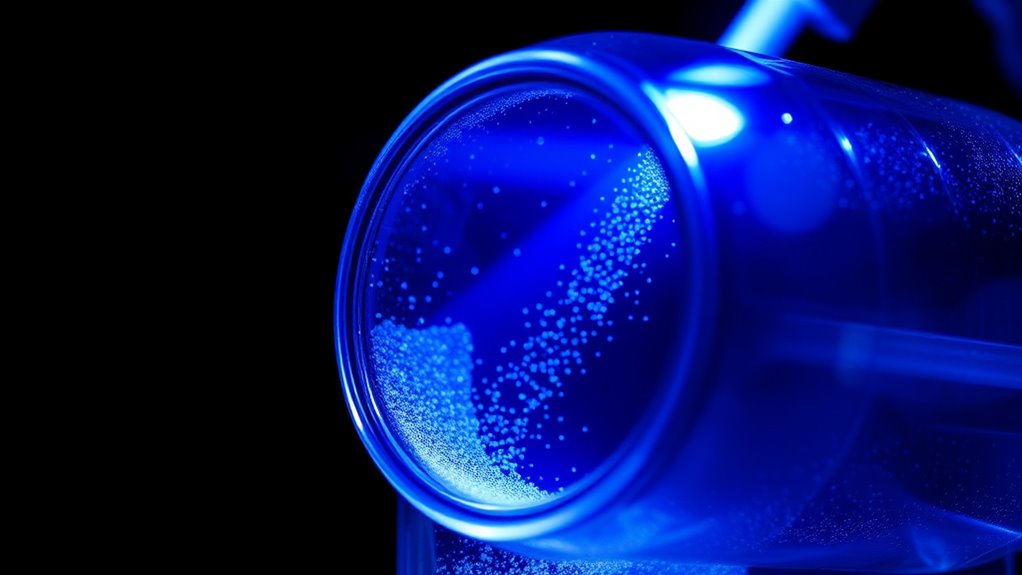
Photocatalytic oxidation is a powerful process that uses light to accelerate chemical reactions, breaking down pollutants and contaminants efficiently. At its core, this process relies on a photocatalyst—most commonly titanium dioxide (TiO₂)—which, when activated by ultraviolet (UV) light, generates reactive species capable of degrading a wide range of pollutants. To maximize the effectiveness of photocatalytic oxidation, the design of the reactor plays a vital role. An optimized reactor ensures that light exposure is uniform, the catalyst remains active, and pollutants come into contact with reactive surfaces. Different reactor configurations, like slurry, fixed-bed, or fluidized-bed systems, are tailored to specific applications, balancing factors such as scalability, ease of maintenance, and pollutant type. Proper reactor design not only enhances pollutant degradation but also improves overall process efficiency, reducing energy consumption and operational costs.
Effective photocatalytic reactors optimize light exposure, catalyst activity, and pollutant contact for efficient environmental cleanup.
When considering reactor design for pollutant degradation, you need to focus on maximizing light exposure. Since UV light activates TiO₂, the reactor must facilitate effective light penetration throughout the catalyst surface. For example, in a slurry reactor, TiO₂ particles are suspended in water or air, providing extensive contact with pollutants but requiring separation after treatment. Fixed-bed reactors, on the other hand, immobilize TiO₂ on a substrate, allowing continuous flow and easier recovery, but they demand transparent or UV-permeable materials to guarantee adequate light reach. Fluidized-bed reactors combine benefits from both, suspending catalyst particles in a flowing medium, which increases contact efficiency and improves pollutant breakdown.
The ultimate goal of all these designs is to optimize pollutant degradation. When pollutants come into contact with activated TiO₂ and reactive oxygen species like hydroxyl radicals, their molecular structures break down into less harmful compounds, often carbon dioxide and water. The reactor design must promote high contact efficiency between pollutants and reactive species, which depends on factors like flow rate, catalyst surface area, and light intensity. Efficient reactors reduce treatment time and increase pollutant removal rates, making photocatalytic oxidation viable for large-scale environmental remediation, air purification, or wastewater treatment. Additionally, incorporating advanced materials can further enhance reactor performance by providing improved durability and light absorption capabilities.
In your approach, understanding the interplay between reactor design and pollutant degradation is essential. A well-designed reactor ensures that light reaches all catalyst surfaces, pollutants are thoroughly exposed, and the reactive environment is maintained. This synergy leads to faster, more complete pollutant breakdown, helping you achieve cleaner air, water, and a healthier environment. Ultimately, optimizing reactor configurations allows you to harness the full potential of photocatalytic oxidation, making it a powerful tool for sustainable pollutant management.
UV activated TiO2 photocatalytic reactor
As an affiliate, we earn on qualifying purchases.
As an affiliate, we earn on qualifying purchases.
Frequently Asked Questions
Can Photocatalytic Oxidation Remove All Types of Pollutants?
Photocatalytic oxidation can’t remove all types of pollutants because of its limitations and pollutant specificity. You’ll find it effective against organic compounds and some bacteria, but it struggles with certain inorganic pollutants and those resistant to oxidation. Factors like pollutant chemical structure, concentration, and environmental conditions influence its efficiency. So, while it’s a powerful tool, it’s not a universal solution for every pollutant.
How Does Tio2 Photocatalysis Compare to Other Air Purification Methods?
TiO2 photocatalysis offers good cost efficiency and low maintenance compared to traditional air purification methods. You’ll find it effective at decomposing many pollutants, including VOCs and bacteria, without needing frequent filter replacements. Unlike HEPA filters or chemical scrubbers, it uses UV light to activate the process, making it a sustainable, energy-efficient option. So, you get cleaner air with less hassle and ongoing costs.
Is UV Light Exposure Safe During Photocatalytic Treatments?
Think of UV light exposure during photocatalytic treatments like a double-edged sword—effective but requiring caution. Generally, UV safety is upheld because the light is contained within the system, preventing direct exposure. However, you should be aware of exposure risks if the system leaks or isn’t properly shielded. Always ensure safety measures are in place, so you benefit from cleaner air without risking your skin or eyes.
What Are the Environmental Impacts of Using Tio2 Catalysts?
Using TiO2 catalysts impacts the environment mainly through nanomaterial toxicity concerns, as tiny particles can harm aquatic life and ecosystems if released. However, it promotes resource sustainability by enabling cleaner air and water through pollutant breakdown. You should consider proper disposal and containment strategies to minimize risks. Overall, TiO2’s benefits in pollution control can outweigh potential environmental impacts when managed responsibly.
How Long Does the Photocatalytic Process Typically Take to Decontaminate Air?
A watched pot never boils, but in photocatalytic air cleaning, reaction duration varies. Typically, decontamination can take anywhere from minutes to a few hours, depending on pollutant levels and catalyst efficiency factors. You might see fast results with high pollutant concentrations and ideal UV exposure, while lower levels or less efficient setups could slow the process. Patience and proper system maintenance will guarantee effective air purification over time.
Conclusion
You harness the power of TiO₂ and UV light to transform pollutants into harmless substances. You activate a process that breaks down toxins, cleans the air, and restores purity. You create a shield against pollution, a barrier built with photons and particles. You embrace a cleaner environment, a healthier future. By using photocatalytic oxidation, you turn pollution into progress, chaos into clarity, and damage into renewal.
Halloween Picks
halloween
As an affiliate, we earn on qualifying purchases.