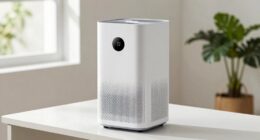
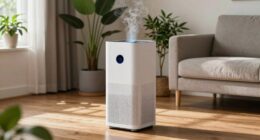
PCO and PECO technologies may sound magical, but their effectiveness relies on understanding how they work and environmental factors. They use advanced materials to break down pollutants like VOCs, bacteria, and viruses, but need proper placement, maintenance, and favorable conditions such as humidity and airflow. Their performance can be enhanced by integrating renewable energy and smart grid management, making them more sustainable and efficient. To discover how these factors really influence their power, keep exploring further.
Key Takeaways
- PCO/PECO use advanced materials to break down pollutants but are not a standalone solution for all air quality issues.
- Their effectiveness depends on environmental factors like humidity, airflow, and chemical presence, requiring proper maintenance.
- Integration with renewable energy and smart grid technology enhances their efficiency and sustainability.
- They are powerful tools but have limitations; they work best as part of a comprehensive air quality management strategy.
- Their “magical” reputation stems from natural processes and smart energy management, not from instant or universal purification.
Have you ever wondered how modern air purification systems achieve such high efficiency? It’s tempting to believe that cutting-edge technology like PCO (Photo-Catalytic Oxidation) and PECO (Photoelectrochemical oxidation) can perform miracles, but the reality is more nuanced. These systems rely heavily on the integration of advanced materials and processes to break down pollutants, but their effectiveness depends on the environment in which they operate. One key factor influencing their performance is the energy source powering the entire system. When connected to a renewable energy supply, like solar or wind power, these air purifiers become more sustainable and environmentally friendly. This is especially important because PCO and PECO devices often require continuous operation, which can consume significant amounts of electricity. Harnessing renewable energy reduces their carbon footprint and aligns their use with broader efforts to combat climate change.
Furthermore, the smart grid plays a essential role in optimizing how these systems work within a larger network. A smart grid allows for real-time monitoring and management of energy consumption, ensuring that PCO/PECO devices operate at peak efficiency when needed most. For example, during peak pollution times, the smart grid can direct more energy to these purification systems, boosting their ability to clean indoor and outdoor air effectively. Conversely, during periods of low pollution or high renewable energy generation, the system can scale back, saving energy and reducing costs. This dynamic control makes PCO and PECO not just effective but also energy-efficient options that contribute to smarter, more sustainable urban environments. Additionally, advancements in renewable energy integration are making these systems even more viable for widespread use.
Smart grids optimize PCO/PECO systems by adjusting energy use for peak efficiency and sustainability.
However, it’s important to remember that these technologies aren’t magical solutions. They do require proper maintenance, appropriate placement, and sometimes supplementary filtration to achieve ideal results. While they excel at breaking down volatile organic compounds (VOCs), bacteria, and viruses, their efficiency can be limited by factors like humidity, airflow, and the presence of certain chemicals. Therefore, understanding that PCO and PECO are part of a broader air quality management strategy is essential. They work best when integrated into systems powered by renewable energy and managed through a smart grid, which collectively enhance their performance and sustainability.
In essence, the “magical” aspect of PCO and PECO lies in their ability to harness natural processes and intelligent energy management. When combined with renewable energy sources and smart grid technology, they become powerful tools for cleaner air—yet, they aren’t a cure-all. Recognizing their strengths and limitations helps you appreciate what they can genuinely deliver in your pursuit of healthier indoor and outdoor environments.
Frequently Asked Questions
How Does Pco/Peco Compare to Traditional Sterilization Methods?
You’ll find that PCO/PECO technology outperforms traditional sterilization methods by using UV sterilization and chemical disinfectants more efficiently. Unlike chemical disinfectants, which can leave residues, PCO/PECO actively breaks down pollutants and microbes at a molecular level. It’s faster and safer, reducing reliance on harsh chemicals, and provides continuous air purification. Overall, it’s a more advanced, eco-friendly choice that effectively improves indoor air quality.
Are Pco/Peco Devices Safe for Indoor Residential Use?
Like a modern-day Prometheus, you might wonder if PCO/PECO devices are safe for your home. They use UV sterilization and ozone generation, which can be effective but pose risks if misused. When operated properly, they’re generally safe indoors, but it’s essential to follow manufacturer guidelines. Keep the area ventilated and avoid direct exposure to UV light or ozone. Always prioritize safety to enjoy cleaner air without hazards.
What Are the Maintenance Requirements for Pco/Peco Systems?
You need to regularly maintain your PCO/PECO system by replacing filters as recommended by the manufacturer, typically every few months. Additionally, device calibration ensures maximum performance and safety, so check calibration settings periodically or after any maintenance. Keep the system clean and follow the manufacturer’s guidelines for maintenance schedules. Proper upkeep helps your device operate efficiently and prolongs its lifespan, providing cleaner indoor air.
Can Pco/Peco Technology Eliminate All Types of Airborne Pathogens?
Think of PCO/PECO technology as a vigilant guardian rather than a magic wand. While it markedly boosts viral coverage and aids in pathogen eradication, it can’t eliminate all airborne pathogens. Some stubborn viruses or spores might slip through its defenses. So, you should view it as part of an extensive infection control strategy, not a foolproof shield. It’s a powerful ally, but not an all-encompassing solution.
What Is the Typical Lifespan of a Pco/Peco Air Purifier?
You can expect a typical lifespan of a PCO/PECO air purifier to be around 5 to 10 years, depending on build quality and usage. Its air purifier durability relies heavily on proper maintenance, including regular filter replacement. To keep it functioning at its best, follow the manufacturer’s recommended filter replacement frequency. With proper care, your purifier can effectively reduce airborne pollutants and provide cleaner air for years to come.
Conclusion
So, next time you hear about PCO/PECO technology, remember it’s not magic, just innovation. It’s funny how a simple idea can seem almost miraculous when you realize it’s built on real science. Just like how a chance encounter with a new gadget can change your perspective, understanding the truth behind these technologies makes them all the more fascinating. Sometimes, the greatest breakthroughs are just a coincidence waiting to be discovered.