Indoor activities like cooking, smoking, or using scented products can cause sudden PM2.5 spikes, especially if your home isn’t well-ventilated. Heating devices, candles, and aerosols also contribute fine particles that linger and raise pollution levels unexpectedly. Outdoor air can sneak inside through open windows or gaps, carrying pollutants that trigger spikes too. Understanding these common sources can help you identify and reduce pollution—continue exploring to find practical ways to improve your indoor air quality.
Play games included with Prime
Start a Prime free trial and play with Amazon Luna on your devices.
As an affiliate, we earn on qualifying purchases.
Key Takeaways
- Indoor activities like cooking, burning candles, or smoking release fine particles that cause PM2.5 spikes.
- Poor ventilation during heating or cooking traps pollutants, increasing indoor PM2.5 levels rapidly.
- Outdoor air infiltration through open windows or gaps introduces external pollutants, elevating indoor PM2.5.
- Household products such as cleaning sprays and air fresheners emit particles that contribute to indoor pollution.
- Proper maintenance, ventilation, and air filtration help prevent and reduce sudden PM2.5 spikes indoors.
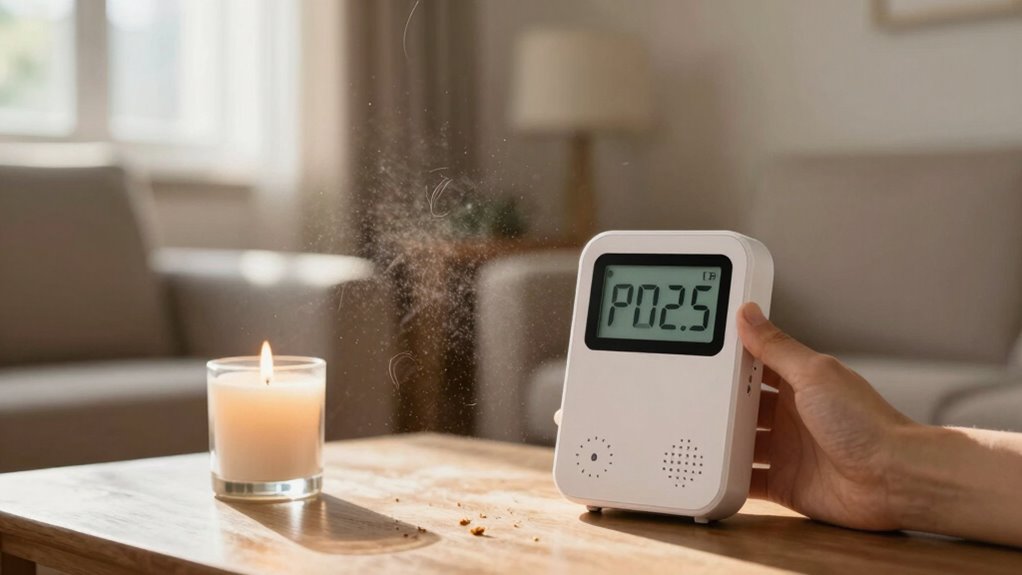
Have you ever wondered what causes sudden spikes in PM2.5 levels? These tiny particles, less than 2.5 micrometers in diameter, can quickly elevate pollution levels inside your home, impacting your health and comfort. The answer often lies in the indoor air quality and the pollution sources that contribute to these abrupt increases. Many of these sources are common, everyday items or activities that you might not even realize are polluting your indoor environment.
One of the main pollution sources is cooking. When you prepare meals, especially frying or grilling, tiny particles are released into the air. Without proper ventilation, these PM2.5 particles linger and can cause sharp spikes in indoor air pollution. Smoke from burning candles or incense is another frequent culprit. While these might create a cozy atmosphere, they also emit fine particles that can quickly accumulate, leading to sudden increases in PM2.5 levels. Smoking indoors is one of the most notably pollution sources, releasing a cocktail of harmful particles directly into the air you breathe.
Cooking releases tiny particles that cause indoor PM2.5 spikes without proper ventilation.
Heating devices, such as wood stoves or space heaters, can also be responsible for these spikes. When not properly maintained or ventilated, combustion byproducts, including fine particles, escape into your living space. Even certain cleaning products and aerosols contribute to indoor pollution. Spraying air fresheners or cleaning sprays releases chemicals that can form or carry PM2.5 particles, adding to the overall pollution load in your home.
Another often-overlooked pollution source is outdoor air infiltrating your home. Open windows, doors, or poorly sealed building envelopes allow pollutants from outside—like vehicle emissions, industrial pollution, or dust—to enter and elevate PM2.5 levels indoors. During high pollution days, this infiltration can cause sudden and noticeable spikes, especially if your home lacks sufficient air filtration or ventilation systems.
Understanding these pollution sources helps you take control of your indoor air quality. Simple actions like using exhaust fans while cooking, avoiding indoor smoking, properly maintaining heating appliances, and sealing gaps in windows and doors can considerably reduce these PM2.5 surges. Regularly ventilating your home when outdoor air quality is better also helps dilute indoor pollutants. Additionally, using high-quality air filtration systems can significantly improve indoor air stability. By being aware of these common sources and how they influence indoor air quality, you can create a healthier environment that minimizes sudden pollution spikes, protecting your health and improving overall comfort.
As an affiliate, we earn on qualifying purchases.
Frequently Asked Questions
How Can I Detect PM2.5 Levels at Home Accurately?
You can detect PM2.5 levels at home accurately by using air quality monitors designed for DIY detection. These devices are user-friendly and provide real-time data, helping you identify pollution sources. Look for monitors with high sensitivity and reliable sensors. Regularly check your air quality monitor, calibrate it if needed, and use the data to improve ventilation or reduce pollutant sources, ensuring a healthier indoor environment.
Are There Specific Houseplants That Reduce PM2.5?
Imagine lush, green leaves whispering in your indoor garden—certain air filtering plants like spider plants, snake plants, and pothos are known to reduce PM2.5 levels. These resilient indoor gardening favorites absorb pollutants, helping purify your air naturally. By incorporating these houseplants into your home, you create a vibrant, healthier environment, where each leaf acts as a tiny filter, making your space cleaner and more inviting.
Do Air Purifiers Effectively Eliminate PM2.5 Spikes?
Air purifiers are effective at reducing PM2.5 spikes when they have high-efficiency filters like HEPA. Their efficiency depends on proper size, maintenance, and placement, which enhance pollutant removal methods. While they don’t eliminate all particles instantly, using a quality air purifier considerably lowers airborne PM2.5 levels, helping you breathe easier during pollution spikes. Combining purifiers with good ventilation maximizes pollutant removal and improves overall air quality.
How Does Humidity Affect PM2.5 Concentrations Indoors?
Humidity impact profoundly influences indoor PM2.5 concentrations. When indoor moisture levels are high, particles tend to stick together and settle more quickly, potentially reducing airborne PM2.5. Conversely, low humidity can cause particles to stay suspended longer, increasing your exposure. Maintaining balanced humidity helps control PM2.5 spikes, and using a humidifier or dehumidifier can optimize indoor moisture levels for healthier air quality.
What Daily Habits Contribute Most to Indoor PM2.5?
Coincidences happen when you least expect them, like noticing how daily habits impact your indoor air quality. Your cooking fumes and pet dander considerably contribute to indoor PM2.5 levels. Burning candles or using certain cleaning products also add particles. Regular ventilation, using exhaust fans, and cleaning pets often can help reduce these sources. Being mindful of these habits allows you to control pollution and breathe cleaner air every day.
Conclusion
Now that you know what sparks PM2.5 spikes, you can confidently combat common culprits. By curbing cigarette smokes, controlling cooking chaos, and cleaning conscientiously, you cut down harmful particles and create a cleaner, calmer home. Stay vigilant, and don’t let sneaky sources sabotage your space. With mindful maintenance and meticulous measures, you’ll master the art of minimizing pollutants, making your home healthier, happier, and more harmonious—a haven free from harmful particulate intrusions.
Fall yard work Picks
leaf blowers
As an affiliate, we earn on qualifying purchases.